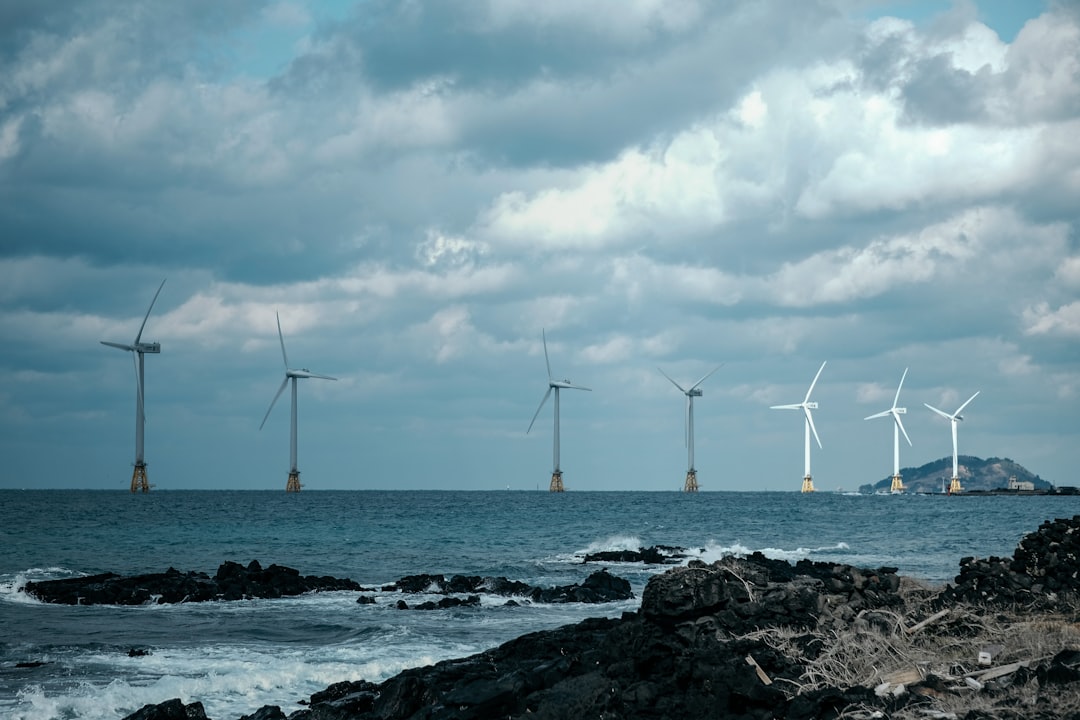
A Bold New Strategy Emerges (Image Credits: Unsplash)
The Trump administration shifted tactics in its opposition to offshore wind development last week by agreeing to pay TotalEnergies roughly $1 billion. The French energy giant will relinquish leases for two planned wind farms off the coasts of New York and North Carolina. In exchange, the company pledged to channel resources into oil, gas, and LNG projects. Legal experts immediately raised alarms over the arrangement’s validity under federal law.
A Bold New Strategy Emerges
TotalEnergies acquired the leases in 2022 – one off North Carolina for over $133 million and another off New York for $795 million. The administration’s deal requires the company to forfeit development rights and pursue fossil fuel initiatives instead. Interior Department officials highlighted the Rio Grande LNG expansion in Texas as a key component of the redirected investments. This approach marks a departure from traditional lease relinquishments, where companies absorbed losses without compensation.
Historically, firms surrendering offshore leases, such as those for oil and gas in Alaska, received no reimbursements. Payments from such bids flow into the U.S. Treasury, and federal agencies lack unilateral authority to return them. David Hayes, a Stanford law professor with prior experience in Biden-era climate policy, noted that companies typically let leases expire without seeking refunds. He emphasized that the Interior Department cannot simply reverse Treasury deposits at a lessee’s request.
Previous Efforts to Block Wind Fall Short
The administration had ordered halts on five under-construction offshore wind projects, invoking national security issues despite prior military approvals. Energy developers sued and prevailed in court, with the government opting not to appeal. Projects like Vineyard Wind completed installation earlier this month, while Revolution Wind and Coastal Virginia Offshore Wind began grid power delivery. The latter, when fully operational, will supply electricity to 660,000 homes and save customers $3 billion in fuel costs over a decade, according to Dominion Energy.
These successes came at a cost, with developers facing delays and litigation expenses. TotalEnergies’ CEO reportedly initiated contact with the administration to negotiate the exit. Neither the company nor the Interior Department commented on the specifics. Meanwhile, the government has turned to military reviews to slow land-based wind approvals.
Experts Challenge the Payment’s Foundation
Elizabeth Klein, former head of the Bureau of Ocean Energy Management under Biden, asserted that the agency holds no authority to issue refunds for relinquished leases. Its annual budget stands at about $200 million, far short of the billion-dollar figure. Reports suggest the administration might tap the Judgment Fund, reserved for court settlements where liability is clear. Yet TotalEnergies never commenced construction, faced no government interference, or filed suit – conditions that do not align with the fund’s purpose.
Klein described the scenario as preemptively compensating to avoid potential illegality. Hayes warned that the expenditure bypasses congressional oversight for nonexistent liabilities. States like New York and North Carolina stand to lose clean energy benefits that could reduce resident bills. Potential lawsuits from these states loom as a response.
What the Shift Means for Energy Policy
The deal underscores tensions between renewable expansion and fossil fuel interests. Trump has voiced long-held opposition to wind power, echoed by industry allies wary of competition. TotalEnergies had already committed to the Rio Grande LNG project prior to the agreement, raising questions about true incentives. Critics argue taxpayer funds subsidize existing plans rather than spur innovation.
- Five offshore projects halted but later resumed via court wins.
- Three major wind farms now delivering power despite delays.
- Lease payments totaled nearly $1 billion, now targeted for refund.
- Fossil fuel pivot includes pre-planned LNG expansion.
- Legal hurdles center on agency authority and fund misuse.
Key Takeaways
- The payment lacks precedent and clear legal backing, per former officials.
- Successful wind projects highlight limits of administrative blocks.
- States and Congress may challenge the use of public funds.
This billion-dollar transaction tests boundaries in U.S. energy strategy, prioritizing fossils amid a global renewables surge. As debates intensify, the outcome could reshape federal handling of lease disputes and clean energy goals. What implications do you see for America’s energy future? Share your thoughts in the comments.