

Ford Model T: The Birth of Mass Production
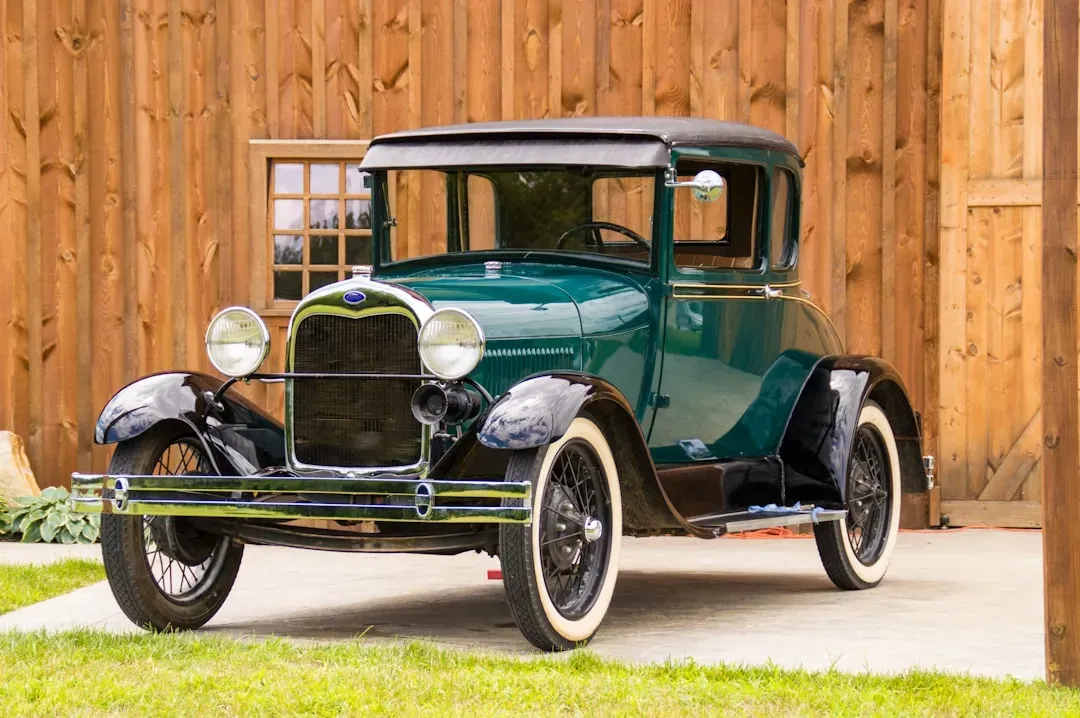
The Ford Model T fundamentally transformed car ownership by making automobiles accessible to middle-class Americans through efficient assembly line production. When Henry Ford installed the first moving assembly line on December 1, 1913, his innovation reduced build time from more than 12 hours to one hour and 33 minutes. This wasn’t just about speed. Mass production allowed the Model T’s price to decline from $780 in 1910 to $290 in 1924.
The impact was staggering. By 1918, half of all cars in the United States were Model Ts. The new assembly process meant the Model T was built in only ninety minutes, creating a production revolution that manufacturers worldwide would replicate for decades.
Chevrolet Corvette: Fiberglass Pioneering
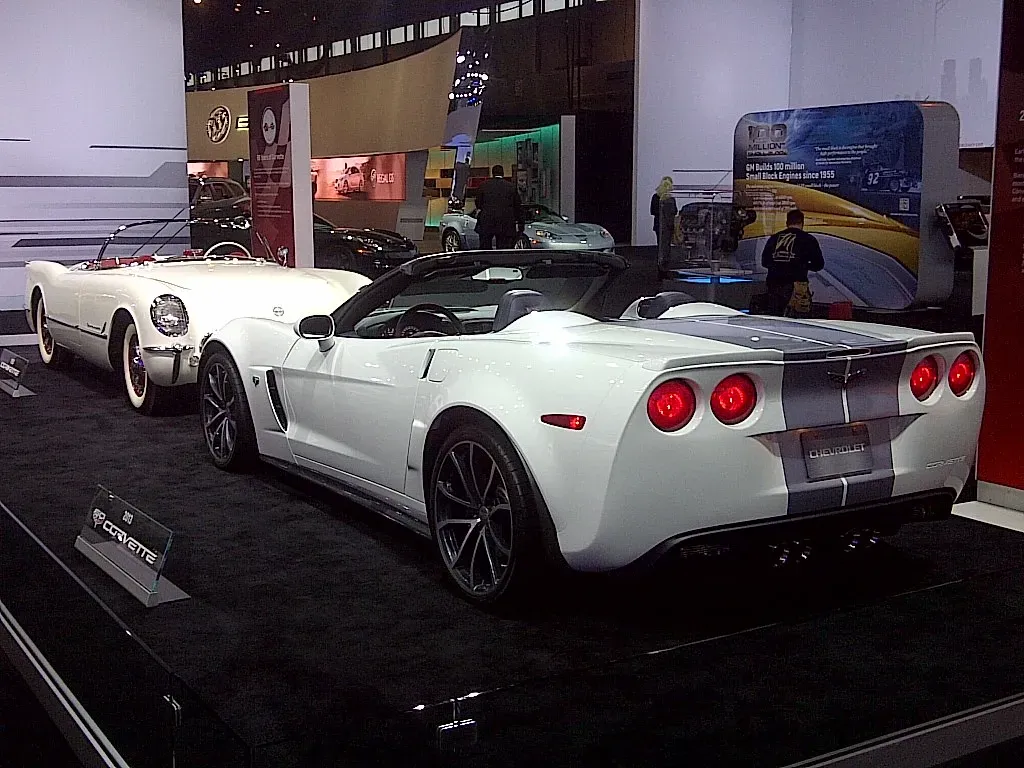
The 1953 Corvette became America’s first fiberglass mass-produced sports car, with 300 units produced that first year. GM’s designer Harley Earl used fiberglass to create the Corvette body because it was lightweight, rust-proof, and offered an economical way to produce the car without expensive sheet metal stamping dies. This material choice represented a genuine gamble.
The Corvette became the first all fiberglass bodied sports car mass produced in the United States. While not the first car to feature a fiberglass body, the Corvette was the first mass-produced model, establishing composite materials as viable for mainstream automotive manufacturing.
Cadillac Series 62: Tailfins That Shaped an Era
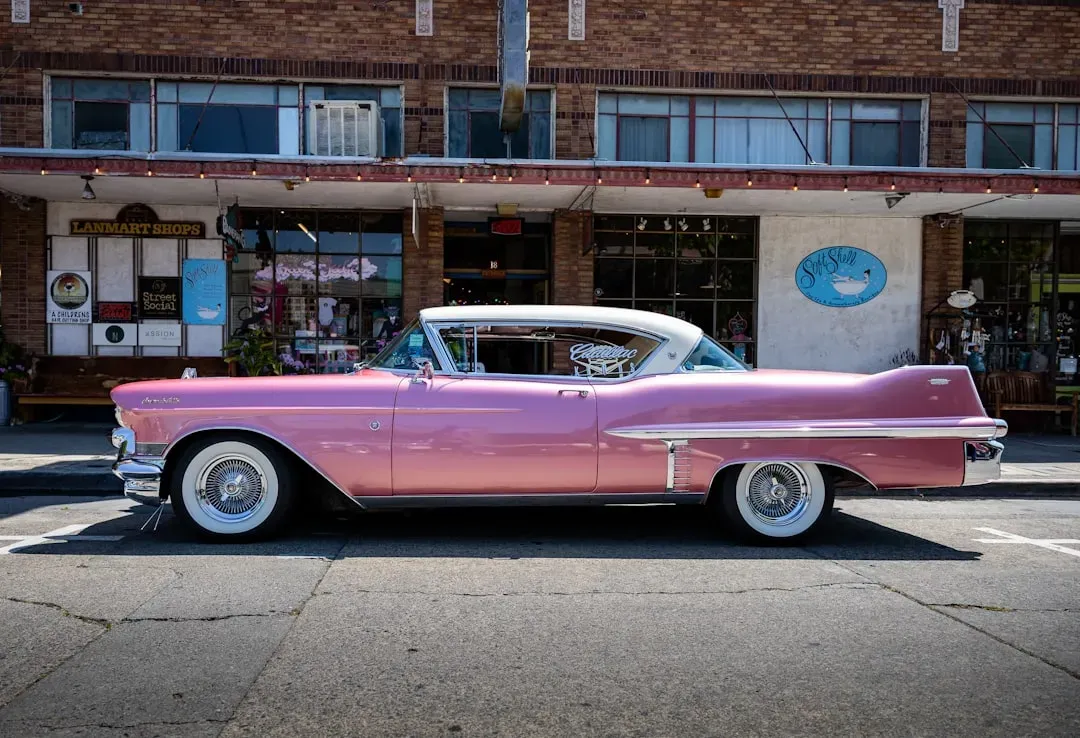
The 1950 Cadillac Series 62 was among the first production cars to feature tailfins, a design cue that became synonymous with automotive style of the era. According to many sources, the actual inventor of the tailfin for the 1948 Cadillac was Franklin Quick Hershey, who was inspired after seeing an early production P-38 at Selfridge Air Base.
The styling influence spread rapidly. GM’s postwar renaissance featured modern overhead valve V-8 engines in 1949, with annual updates for 1950 including lower and sleeker contours, sweeping front fenders, and long rear decks. The tailfin era encompassed the 1950s and 1960s, peaking between 1955 and 1961, as car designers worldwide picked up styling trends from the U.S. automobile industry.
Ford Mustang: Creating the Pony Car
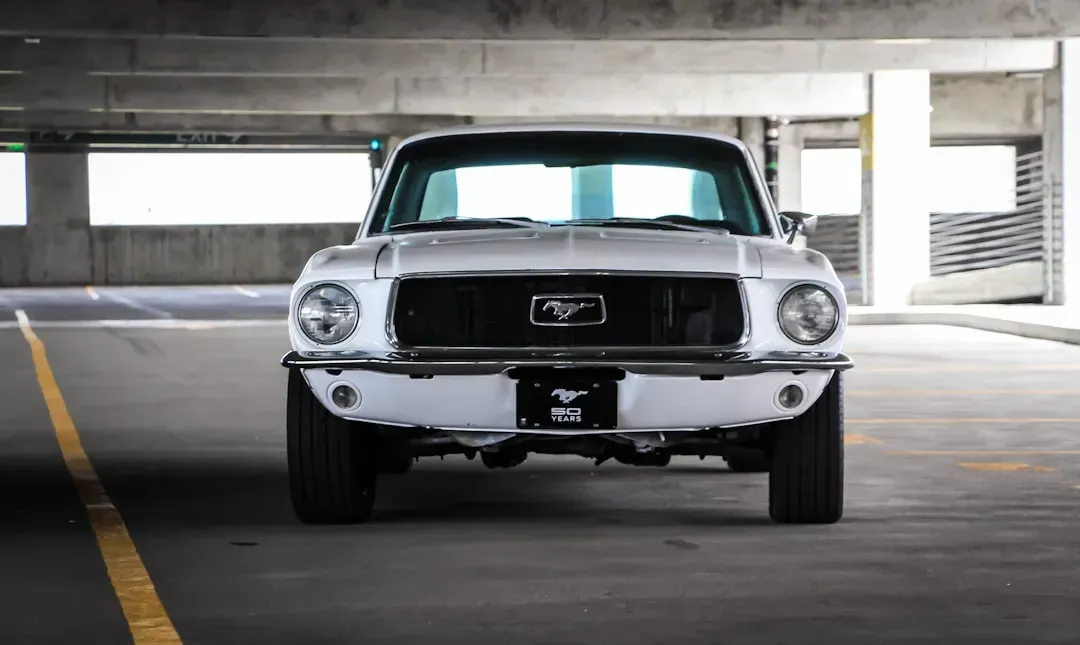
Originally predicted to sell 100,000 vehicles yearly, the 1965 Mustang became the most successful vehicle launch since the 1927 Model A, with over 400,000 units sold in its first year after its April 17, 1964 introduction. The Mustang arrived with perfect timing. The namesake of the pony car segment, the Mustang was developed as a highly styled line of sporty coupes and convertibles distinguished by pronounced long hood, short deck proportions.
Ford projected sales to be 100,000 units for the first model year, but sales orders in just the first week alone exceeded 22,000. The Mustang set the industry record for sales during the first year with more than 418,000 units, breaking the previous record set by the Ford Falcon in 1960. This accessible performance formula sparked imitators for generations.
Chevrolet Bel Air: V8 Power for Everyone
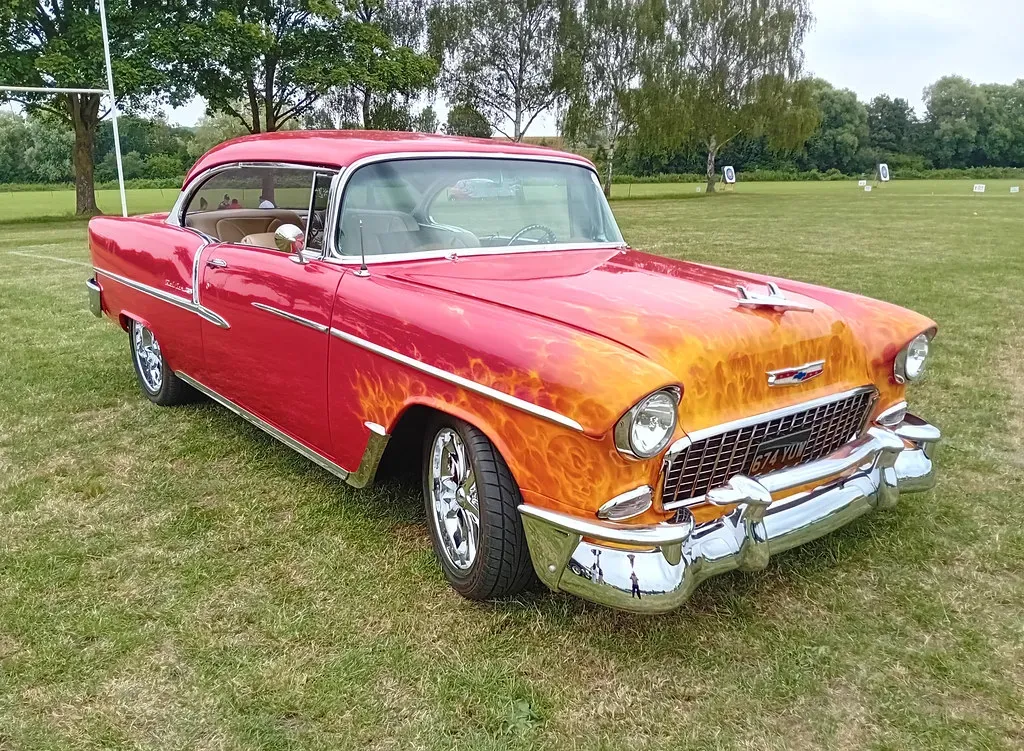
For 1955, Chevrolets gained a V8 engine option, offering a modern overhead valve design. The new 265 cubic inch V8 featured a high compression ratio and short stroke design, with the base version rated at 162 horsepower and a Power Pack option yielding 180 horsepower. This wasn’t luxury car territory anymore.
The 1955 Bel Air proved to be a landmark car, finally allowing Chevy to respond to Ford thanks to the new Turbo-Fire 265 cubic-inch V8 engine, which when paired with the car’s styling allowed Chevy to dominate the low-price market. In 1955, Chevy sold 1.78 million cars, and on April 28 they built 7,902 cars in a single day, setting a one-day production record in the industry.
Jeep Willys MB: Off-Road Innovation

The Willys MB represented a different kind of revolution. Developed during World War II, this compact four-wheel-drive vehicle demonstrated durability and capability under brutal conditions. Military requirements demanded reliable off-road performance, and the Willys MB delivered it consistently across diverse terrains from European mudfields to Pacific island jungles.
The rugged four-wheel-drive system pioneered in the Willys MB directly influenced civilian SUV development after the war ended. Its mechanical simplicity and proven reliability established design principles that manufacturers would adopt for decades of off-road vehicles.
Chrysler Airflow: Aerodynamics Before Their Time
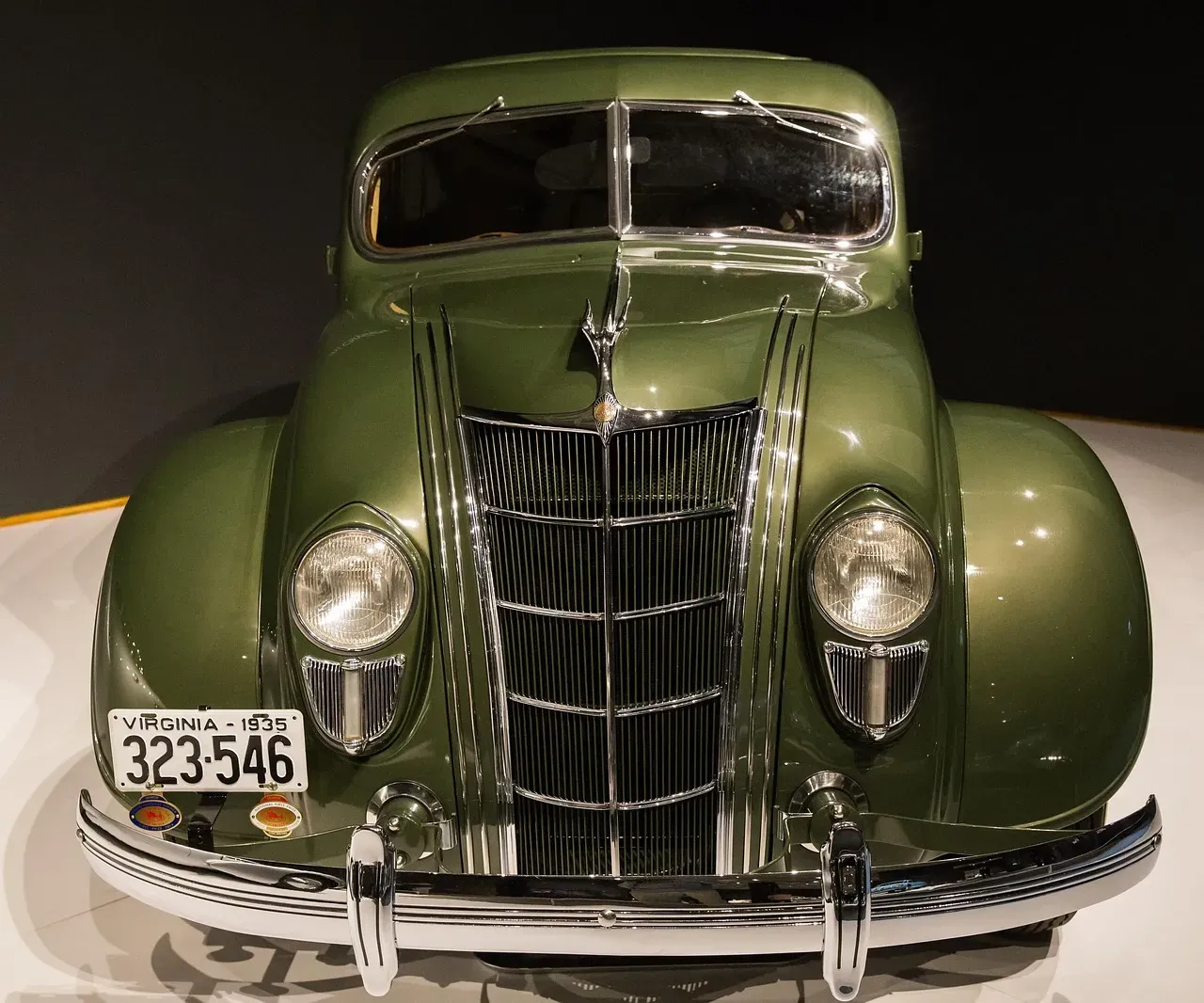
The 1934 Chrysler Airflow introduced wind tunnel testing to improve aerodynamics and fuel efficiency, a practice later adopted industry-wide. Though commercially unsuccessful, the Airflow represented forward-thinking engineering that prioritized air resistance reduction over conventional styling preferences. Chrysler engineers used scientific testing methods previously reserved for aircraft design.
The Airflow’s streamlined shape reduced drag significantly compared to boxy contemporaries. Unfortunately, buyers found the rounded, bulbous styling too radical. Despite poor sales, the aerodynamic principles Chrysler validated would eventually become standard automotive design considerations.
Pontiac GTO: Igniting the Muscle Car Movement
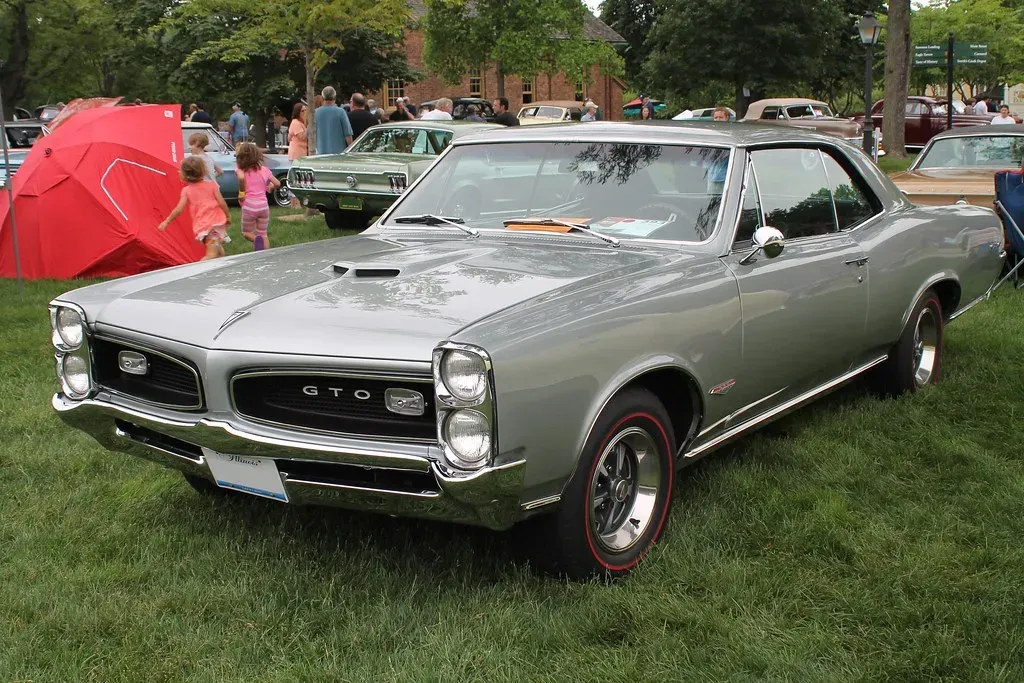
The Pontiac GTO combined a large V8 engine with a midsize body, creating a formula that defined muscle car marketing strategies. Widely credited as the first true muscle car, the GTO proved that performance could be packaged affordably for younger buyers seeking acceleration and attitude. Pontiac essentially dropped a big engine into a lighter chassis.
This straightforward approach resonated powerfully with consumers. The GTO nameplate sparked intense competition among manufacturers, each rushing to create their own high-performance midsize offerings. The muscle car era that followed reshaped American automotive culture throughout the late sixties.
Oldsmobile Rocket 88: High-Compression Performance
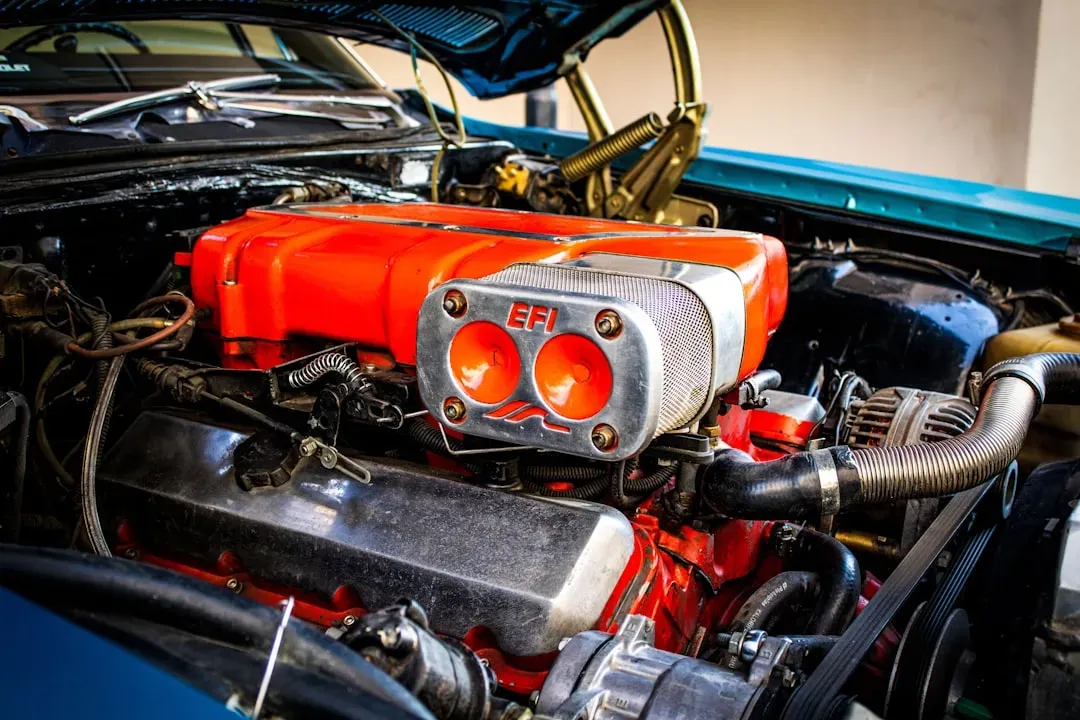
The Rocket 88 featured one of the first high-compression overhead-valve V8 engines, improving both power output and efficiency compared to older flathead designs. This engineering advancement delivered more performance from similar displacement, setting new standards for what buyers could expect from American V8 engines. The overhead valve configuration became the dominant design.
Oldsmobile’s innovation influenced competitors to develop their own modern V8 architectures. The Rocket 88’s combination of relatively light body and powerful engine also made it surprisingly quick, earning reputation among early hot rodders and stock car racers.
Tesla Roadster: Electric Vehicle Credibility

Introduced in 2008, the Tesla Roadster proved electric cars could exceed 200 miles per charge, fundamentally reshaping innovation narratives in American automotive history. Before Tesla, electric vehicles carried reputations as slow, limited-range compliance cars. The Roadster demonstrated that electric propulsion could deliver genuine sports car performance with practical driving range.
This single vehicle shifted industry perspectives dramatically. Major manufacturers watching Tesla’s success accelerated their own electric vehicle development programs. The Roadster established that battery-electric technology represented viable future transportation rather than niche curiosity.