Unlocking the Full Moon Phenomenon (Image Credits: Unsplash)
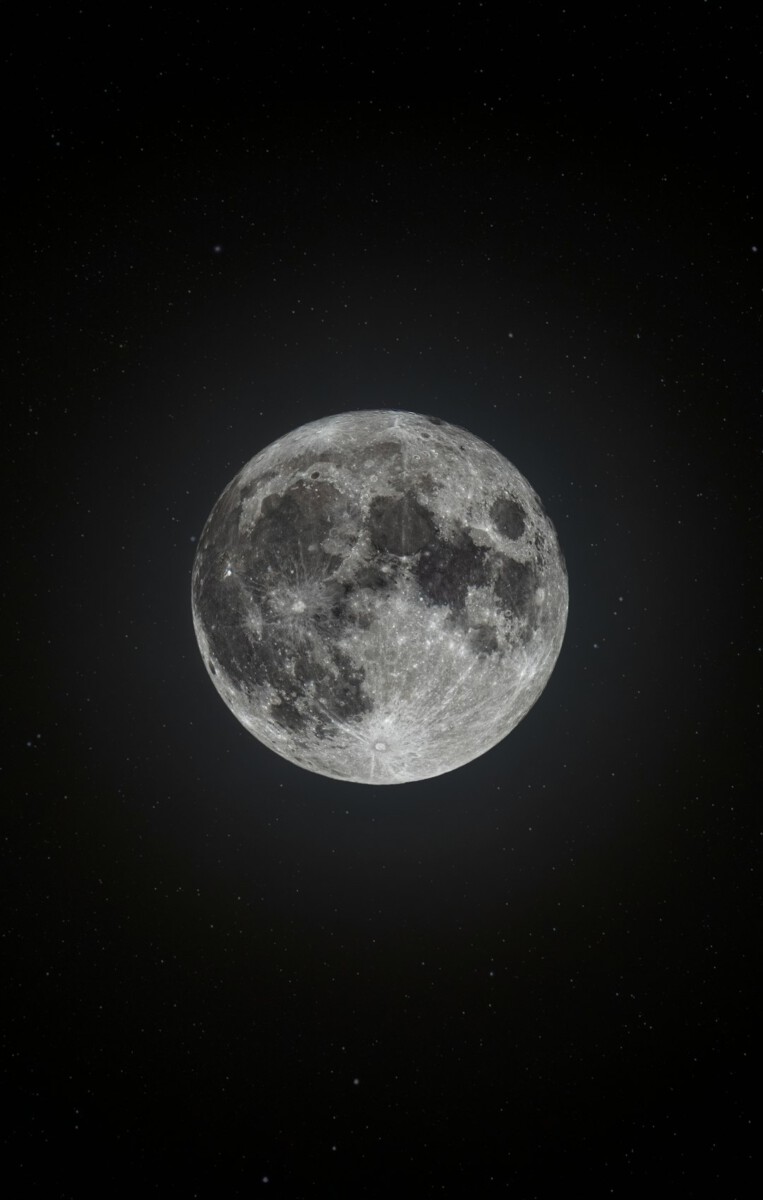
Full moons have inspired awe across cultures for millennia, marking time through their predictable cycles. In 2026, observers witness 13 such events, an extra one courtesy of May’s blue moon. Supermoons, eclipses, and traditional names tied to seasons and wildlife promise memorable skywatching throughout the year.[1][2]
Unlocking the Full Moon Phenomenon
A full moon occurs when Earth aligns directly between the Sun and Moon, bathing the lunar near side in sunlight. This setup makes the Moon appear fully illuminated for about three days around the exact peak. The synodic month, spanning one full moon to the next, averages 29.5 days.
Such alignments amplify tides into spring tides, where high waters rise higher and lows dip lower under combined solar and lunar gravity. Eclipses add drama when the alignment shifts slightly, allowing Earth’s shadow to touch the Moon.
2026 Full Moon Schedule at a Glance
Peak times listed below fall in Eastern Daylight or Standard Time, depending on the season. An asterisk marks supermoons, when the Moon rides closest to Earth for a larger, brighter show.[1]
| Month | Date | Time (EDT/EST) | Traditional Name | Special Notes |
|---|---|---|---|---|
| January | Saturday, Jan. 3 | 5:03 a.m. | Wolf Moon | Supermoon* |
| February | Sunday, Feb. 1 | 5:09 p.m. | Snow Moon | |
| March | Tuesday, March 3 | 6:38 a.m. | Worm Moon | Total lunar eclipse |
| April | Wednesday, April 1 | 10:12 p.m. | Pink Moon | |
| May | Friday, May 1 | 1:23 p.m. | Flower Moon | |
| May | Sunday, May 31 | 4:45 a.m. | Blue Moon | Second full moon in month |
| June | Monday, June 29 | 7:57 p.m. | Strawberry Moon | |
| July | Wednesday, July 29 | 10:36 a.m. | Buck Moon | |
| August | Friday, Aug. 28 | 12:19 a.m. | Sturgeon Moon | Partial lunar eclipse |
| September | Saturday, Sept. 26 | 12:49 p.m. | Corn Moon | |
| October | Monday, Oct. 26 | 12:12 a.m. | Hunter’s Moon | |
| November | Tuesday, Nov. 24 | 9:54 a.m. | Beaver Moon | Supermoon* |
| December | Wednesday, Dec. 23 | 8:28 p.m. | Cold Moon | Supermoon* |
Adjust local times using tools like time zone converters for global viewing. Daytime peaks, such as in May and September, mean the Moon rises fully lit after sunset.
Traditional Names Rooted in Nature
Native American tribes assigned names reflecting seasonal changes, a practice echoed in modern calendars. These monikers evoke the natural world at each full moon’s peak.
- Wolf Moon: Howls of wolves pierced winter nights.
- Snow Moon: Heavy February snowfalls dominated landscapes.
- Worm Moon: Earthworms emerged as soil thawed.
- Pink Moon: Phlox wildflowers bloomed pink.
- Flower Moon: Wildflowers carpeted meadows.
- Strawberry Moon: Ripe strawberries signaled short harvest.
- Buck Moon: Male deer sprouted new antlers.
- Sturgeon Moon: Great Lakes sturgeon grew plentiful.
- Corn Moon: Corn ripened for harvest.
- Hunter’s Moon: Hunters prepared for winter stocks.
- Beaver Moon: Beavers felled trees for dams.
- Cold Moon: Deep winter chill set in.
Standout Events: Eclipses and Rarities
Two lunar eclipses punctuate 2026. The March Worm Moon underwent a total eclipse, turning the Moon reddish in Earth’s shadow. August’s Sturgeon Moon saw a partial eclipse, dimming part of the disk.
Supermoons in January, November, and December appeared larger due to perigee proximity. May’s blue moon, the second that month, occurs every 2.7 years on average. No true harvest moon aligns perfectly with the equinox this year, though September’s Corn Moon stays close.[1]
Key Takeaways for 2026 Skywatchers:
- Thirteen full moons, including a blue moon in May.
- Three supermoons amplify size and brightness.
- Lunar eclipses in March (total) and August (partial).
Clear skies enhance these shows, especially near horizons where refraction enlarges the Moon. Binoculars reveal craters and maria during peak illumination. Check local weather and light pollution maps for best spots. For precise timings worldwide, consult resources like Astronomy Magazine.
2026 delivers a lunar bounty that connects us to ancient rhythms. Which full moon calls to you most? Share your skywatching plans in the comments.