A Dramatic Arrival Amid Family Legacy (Image Credits: Unsplash)
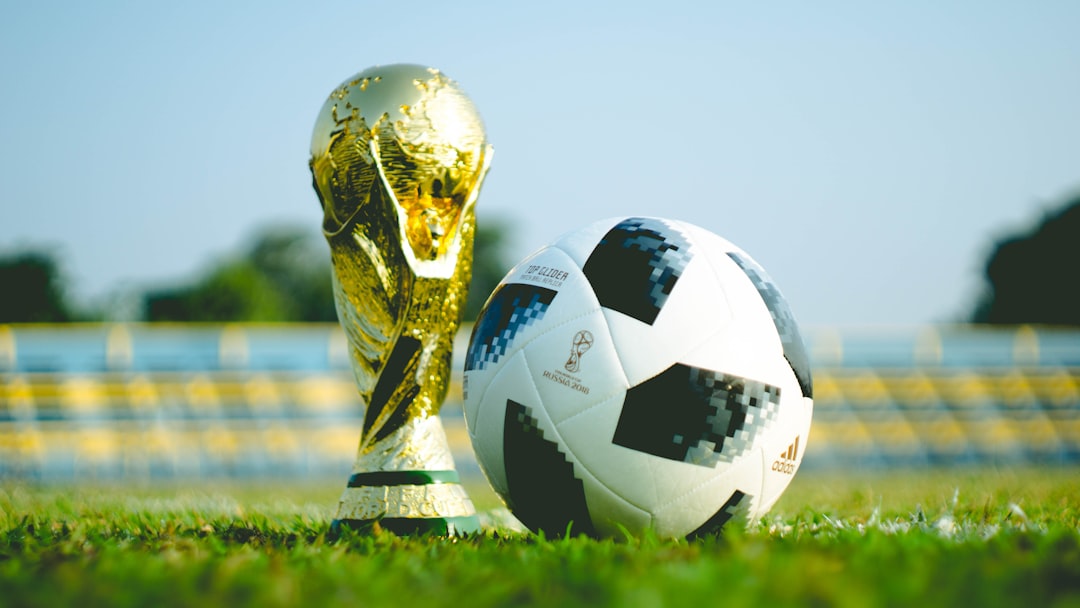
Chicago – Roger Bennett landed in the American Midwest in 1994, the year the United States staged the World Cup and unexpectedly embraced the global game he cherished.
A Dramatic Arrival Amid Family Legacy
Fresh from university in Liverpool, Bennett completed a family saga by settling in Chicago, where his great-grandfather had mistakenly disembarked decades earlier. He knelt on the tarmac at O’Hare Airport in a theatrical gesture, only to rise with an oil stain on his jeans and a mix of excitement and uncertainty. Lacking a work visa and financial backing, the 22-year-old relied on sheer determination after his father urged him to act rather than ponder.
Bennett chose Rogers Park simply because it shared his name. He scraped by through off-the-books jobs: baking at a French pâtisserie in the mornings, waiting tables at a soul food spot in Hyde Park at night, and restocking library shelves in between. Bonds formed with Mexican busboys who shared survival tips for immigrants, from fake Social Security numbers to alley-scavenged furniture. Occasional treats came from tips funding cheap bourbon.
Soccer Faces American Skepticism
Americans largely dismissed soccer in the early 1990s, ranking it below tractor-pulling in popularity surveys. Congressmen like Jack Kemp derided it as a socialist pursuit unfit for the nation’s democratic spirit. Hosting the tournament drew comparisons to staging a ski event in Africa, with fears of empty stadiums looming large.
The draw at Caesars Palace in Las Vegas amplified the absurdity, featuring celebrities like Robin Williams mocking FIFA officials amid glitzy chaos. Pre-tournament polls revealed 71 percent of Americans unaware the event was imminent. Last-minute ads with baseball’s Reggie Jackson and basketball’s Michael Jordan juggling a ball underscored the desperation to drum up interest.
Unexpected Crowds and Memorable Matches Ignite Passion
Soldier Field in Chicago overflowed for the opener between Germany and Bolivia, easing Bennett’s pre-game dread. Families arrived with circus-like anticipation, though chants were scarce. The opening ceremony featured mishaps, from Oprah Winfrey’s stumble to Diana Ross’s wide penalty kick.
Key moments captivated: Ireland’s upset over Italy in New Jersey sparked Irish-American fervor, while Diego Maradona’s ephedrine-fueled brilliance ended in expulsion. The U.S. team, in denim-like jerseys, drew Switzerland, stunned Colombia with an own goal and counterattack, and advanced despite a loss to Romania. Their knockout clash with Brazil yielded a moral victory, highlighted by a brutal elbow on Tab Ramos.
- Germany vs. Bolivia opener packed Soldier Field beyond expectations.
- Ireland’s Ray Houghton goal rocked Giants Stadium.
- Maradona’s goal celebration raised eyebrows before his ban.
- U.S. own-goal win over Colombia dubbed “Miracle on Grass.”
- Brazil edged U.S. amid violence; Roberto Baggio’s penalty miss sealed the final.
Personal Parallels and Lasting Echoes
Bennett watched alone on a scavenged TV with a hanger antenna, drawing inspiration from the underdog U.S. squad mirroring his own scrappy existence. Players like Alexi Lalas embodied American hustle in unconventional style. Post-tournament, interest waned quickly, but the event paved paths for MLS and select players abroad.
Bennett’s life progressed through welfare advocacy amid Chicago’s hardships, finding solace in local music. The World Cup symbolized perseverance, much like his anthem “The Long Cut” by Uncle Tupelo.
Key Takeaways from 1994:
- Record attendance shattered doubts about U.S. interest.
- U.S. team’s group-stage advance boosted soccer’s profile.
- Celebrity spectacles and surprises hooked casual fans.
The 1994 World Cup proved soccer could take root in America through grit and spectacle, much as Bennett built his life. What memories do you hold from that tournament? Share in the comments.