

A Forecast That Held Steady Amid Uncertainty (Image Credits: Unsplash)
The 2025 Atlantic hurricane season concluded with a mix of anticipated activity and unforeseen challenges, leaving communities across the basin to assess lessons learned amid shifting weather patterns.
A Forecast That Held Steady Amid Uncertainty
Early predictions from NOAA set the tone for what turned out to be an above-normal season, driven by warm ocean temperatures and neutral ENSO conditions. Forecasters anticipated 13 to 19 named storms, with six to ten developing into hurricanes and three to five reaching major status. These estimates aligned closely with the eventual outcomes, as the season produced 15 named storms, eight hurricanes, and four major ones.
Colorado State University led the pack in April with its outlook for 17 named storms and an Accumulated Cyclone Energy index around 155. Other groups, including Tropical Storm Risk and the University of Arizona, offered similar projections, emphasizing the role of a transitioning La Niña and reduced wind shear. By season’s end, the actual ACE index hovered near 140, reflecting robust but not extreme energy output.
Throughout the summer, the West African Monsoon delivered waves of disturbances that fueled early development, while high heat content in the Atlantic provided ample fuel for intensification. Yet, the season avoided the hyperactive peaks seen in prior years, thanks to occasional bursts of vertical wind shear that disrupted some systems.
Standout Storms and Their Impacts
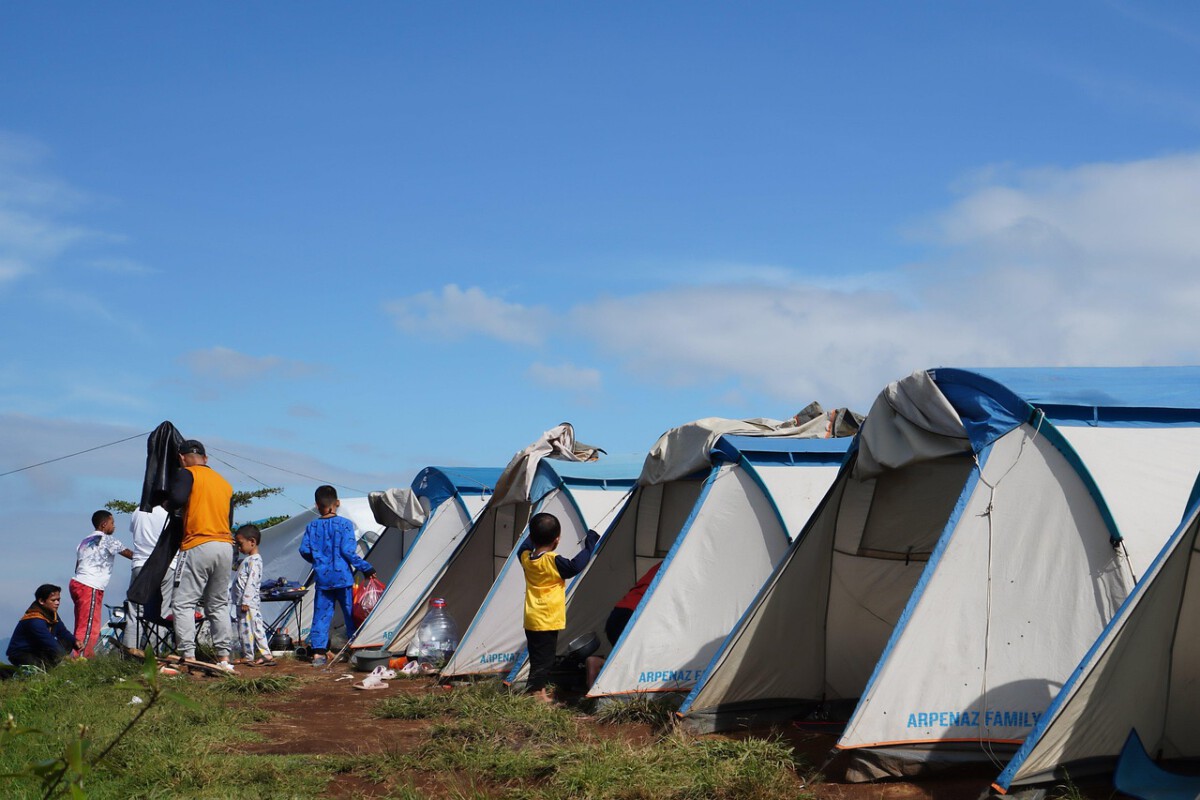
Hurricane Melissa emerged as one of the season’s most devastating events, slamming into Jamaica with unprecedented force in late October. The storm unleashed catastrophic flooding and winds exceeding 140 mph, displacing thousands and causing widespread infrastructure damage. Recovery efforts in Jamaica continued well into December, with international aid focusing on rebuilding homes and restoring power grids.
In the United States, Florida faced a relatively subdued year compared to recent hurricanes, though remnants of several systems brought heavy rains and localized flooding. Top weather events included a rare winter-like storm in early spring and scattered severe thunderstorms, but no direct major hurricane landfalls marked the state. Bozeman, Montana, experienced hurricane-force winds in December from an unrelated extratropical system, knocking out power to over 4,000 residents and highlighting the far-reaching effects of intense weather.
Other notable storms included a rapid-intensifying cyclone off the Southeast coast that spared land but churned up massive swells, and a late-season tropical depression that added to the seasonal tally without escalating. These events underscored the season’s contrasts: powerful but contained threats alongside quieter periods.
Broader Implications for Preparedness and Policy
The season’s activity fell within predicted ranges, validating NOAA’s modeling advancements, yet it exposed vulnerabilities in mental health support following disasters. In Jamaica, experts noted rising cases of post-traumatic stress among survivors of Hurricane Melissa, prompting calls for integrating psychological care into climate response strategies across the Caribbean.
Florida’s top weather recap emphasized resilience built from previous years, with improved evacuation protocols and infrastructure upgrades mitigating potential damage. Still, the overall season reminded policymakers of the need for sustained funding in early warning systems and community education.
- Above-normal sea surface temperatures fueled storm development but also amplified rainfall totals.
- Neutral ENSO conditions prevented the suppression seen in El Niño years.
- Four major hurricanes tested response capabilities in the Caribbean and Gulf regions.
- Late-season activity extended impacts into November, delaying full assessments.
- Global factors, like the West African Monsoon, played a pivotal role in storm formation.
Looking ahead, NOAA officials stressed the ongoing high-activity era in the Atlantic, urging continued investment in satellite technology and forecasting tools. As climate patterns evolve, the 2025 season served as a benchmark for balancing optimism in predictions with vigilance in preparation.
Key Takeaways for the Future
- The season’s alignment with forecasts highlights reliable science, but rapid intensification remains a wildcard.
- Mental health integration in disaster recovery is essential, especially in vulnerable island nations.
- Regional variations, from Florida’s calm to Jamaica’s trials, call for tailored resilience strategies.
In a year defined by contrasts, the 2025 Atlantic hurricane season reinforced the importance of adaptive planning. Communities now rebuild stronger, but the cycle of nature demands ongoing attention – what steps will ensure we’re ready for what’s next? Share your thoughts in the comments.