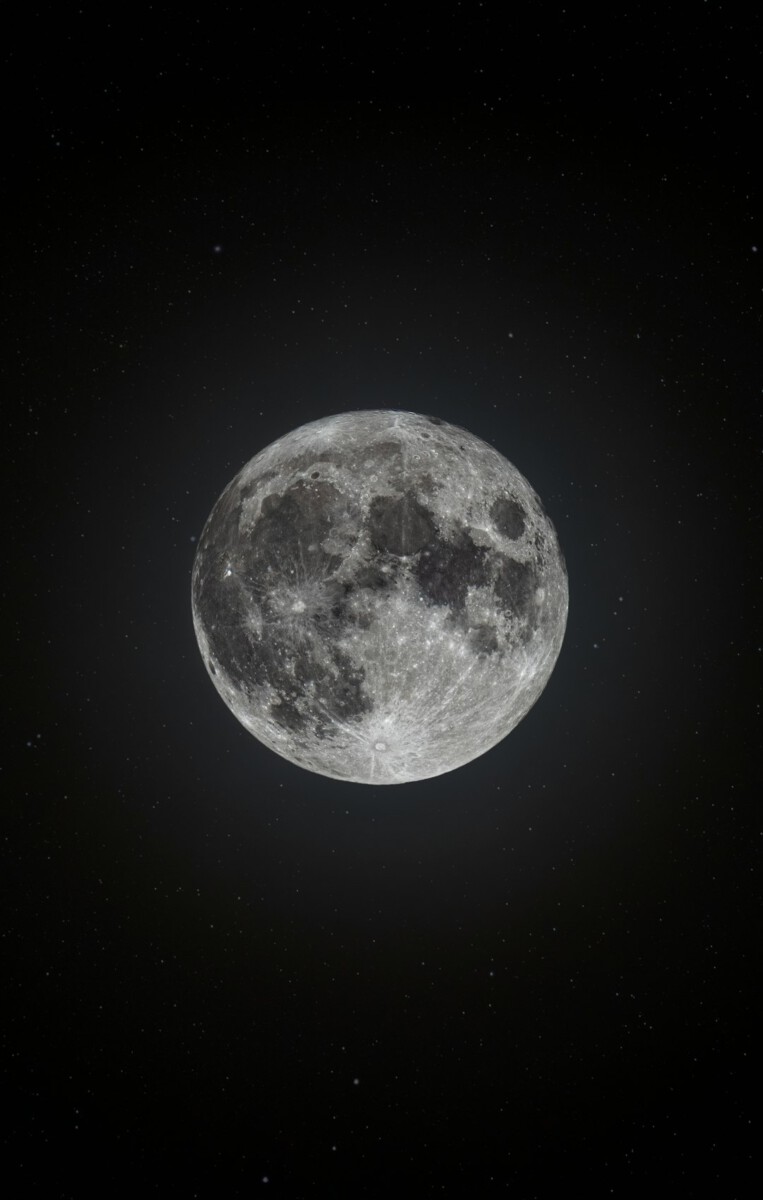
A Total Lunar Eclipse Kicks Off the Year’s Spectacles (Image Credits: Unsplash)
Skywatchers marked the early months of 2026 with vivid lunar displays, including a total lunar eclipse that turned the March full moon a striking reddish hue. The moon’s rhythmic orbit continues to deliver reliable beauty against the night sky, offering moments of wonder throughout the year. This calendar details all 13 full moons ahead, with precise times in Eastern Daylight Time, cultural names rooted in nature, and notable events like supermoons and another eclipse later in the year.[1][2]
A Total Lunar Eclipse Kicks Off the Year’s Spectacles
The Worm Moon on March 3 delivered one of the year’s most dramatic events: a total lunar eclipse visible across much of North America. Observers witnessed the moon slip into Earth’s shadow, adopting a coppery glow as sunlight filtered through the atmosphere. The peak occurred at 6:38 a.m. Eastern, drawing enthusiasts outdoors despite the early hour.[1]
Such alignments happen when Earth positions itself directly between the sun and moon, casting a shadow that temporarily dims the lunar surface. This eclipse served as a reminder of the moon’s dynamic role in our solar system. With more celestial action on the horizon, stargazers prepared for the remaining phases.
Understanding the Full Moon and Its Phases
A full moon emerges at the precise moment when Earth aligns between the sun and moon, illuminating the entire face visible from our planet. This configuration lasts only an instant, though the moon appears fully lit for about three nights due to its angular size. The synodic month, averaging 29.5 days, governs the cycle from full moon to full moon.[1]
The lunar phases progress predictably: new moon, waxing crescent, first quarter, waxing gibbous, full moon, waning gibbous, last quarter, and waning crescent. Full moons amplify tides into spring tides, where gravitational pulls from sun and moon combine for higher highs and lower lows. Observers often note the moon’s brightness overwhelms faint stars nearby.
Your Complete 2026 Full Moon Schedule
The year features 13 full moons, listed below with dates, Eastern times, and highlights. Times reflect the exact moment of fullness; local moonrise varies by location.
| Date | Time (EDT) | Name | Notes |
|---|---|---|---|
| Saturday, Jan. 3 | 5:03 a.m. | Wolf Moon | Supermoon |
| Sunday, Feb. 1 | 5:09 p.m. | Snow Moon | |
| Tuesday, Mar. 3 | 6:38 a.m. | Worm Moon | Total lunar eclipse |
| Wednesday, Apr. 1 | 10:12 p.m. | Pink Moon | |
| Friday, May 1 | 1:23 p.m. | Flower Moon | |
| Sunday, May 31 | 4:45 a.m. | Blue Moon | Second full moon in May |
| Monday, June 29 | 7:57 p.m. | Strawberry Moon | |
| Wednesday, July 29 | 10:36 a.m. | Buck Moon | |
| Friday, Aug. 28 | 12:19 a.m. | Sturgeon Moon | Partial lunar eclipse |
| Saturday, Sept. 26 | 12:49 p.m. | Corn Moon | |
| Monday, Oct. 26 | 12:12 a.m. | Hunter’s Moon | |
| Tuesday, Nov. 24 | 9:54 a.m. | Beaver Moon | Supermoon |
| Wednesday, Dec. 23 | 8:28 p.m. | Cold Moon | Supermoon |
Data compiled from astronomical calculations; adjust for your timezone.[1][3]
Supermoons, Blue Moons, and Eclipse Alerts
Three supermoons punctuate 2026, occurring when the full moon coincides with perigee, the moon’s closest approach to Earth. These appear up to 14 percent larger and 30 percent brighter: January’s Wolf Moon, November’s Beaver Moon, and December’s Cold Moon. The May 31 Blue Moon marks the second full moon in that month, a rarity every 2.7 years on average.[1]
August brings a partial lunar eclipse during the Sturgeon Moon, where Earth’s shadow partially obscures the moon starting around midnight Eastern. Visibility depends on weather and location; North American viewers should check local forecasts. These events enhance the full moon’s allure, blending science with timeless skywatching tradition.
Origins of Traditional Full Moon Names
Native American, Colonial American, and European traditions assigned names to full moons based on seasonal cues. Here are the 2026 designations:
- Wolf Moon (January): Echoes of wolves in winter hunger.
- Snow Moon (February): Deep snows across landscapes.
- Worm Moon (March): Earthworms emerge as soil thaws.
- Pink Moon (April): Phlox wildflowers bloom pink.
- Flower Moon (May): Wildflowers carpet fields.
- Strawberry Moon (June): Ripening strawberries signal summer.
- Buck Moon (July): Deer antlers velvet and grow.
- Sturgeon Moon (August): Sturgeon fish abundant in lakes.
- Corn Moon (September): Corn ready for harvest.
- Hunter’s Moon (October): Bright light aids hunters.
- Beaver Moon (November): Beavers prepare dams for winter.
- Cold Moon (December): Biting winter cold sets in.
These names, documented in sources like the Old Farmer’s Almanac, connect lunar cycles to earthly rhythms.[1]
Plan ahead with apps or sites like Time and Date for personalized rise times. Binoculars reveal craters and maria under full illumination.
Key Takeaways
- Thirteen full moons light up 2026, with three supermoons and two eclipses.
- Next up: Pink Moon on April 1 at 10:12 p.m. EDT.
- Blue Moon arrives May 31, the second in that month.
As 2026 unfolds, these full moons invite everyone to pause and gaze upward, fostering a deeper bond with the cosmos. Which lunar event will you catch first? Share your plans in the comments.