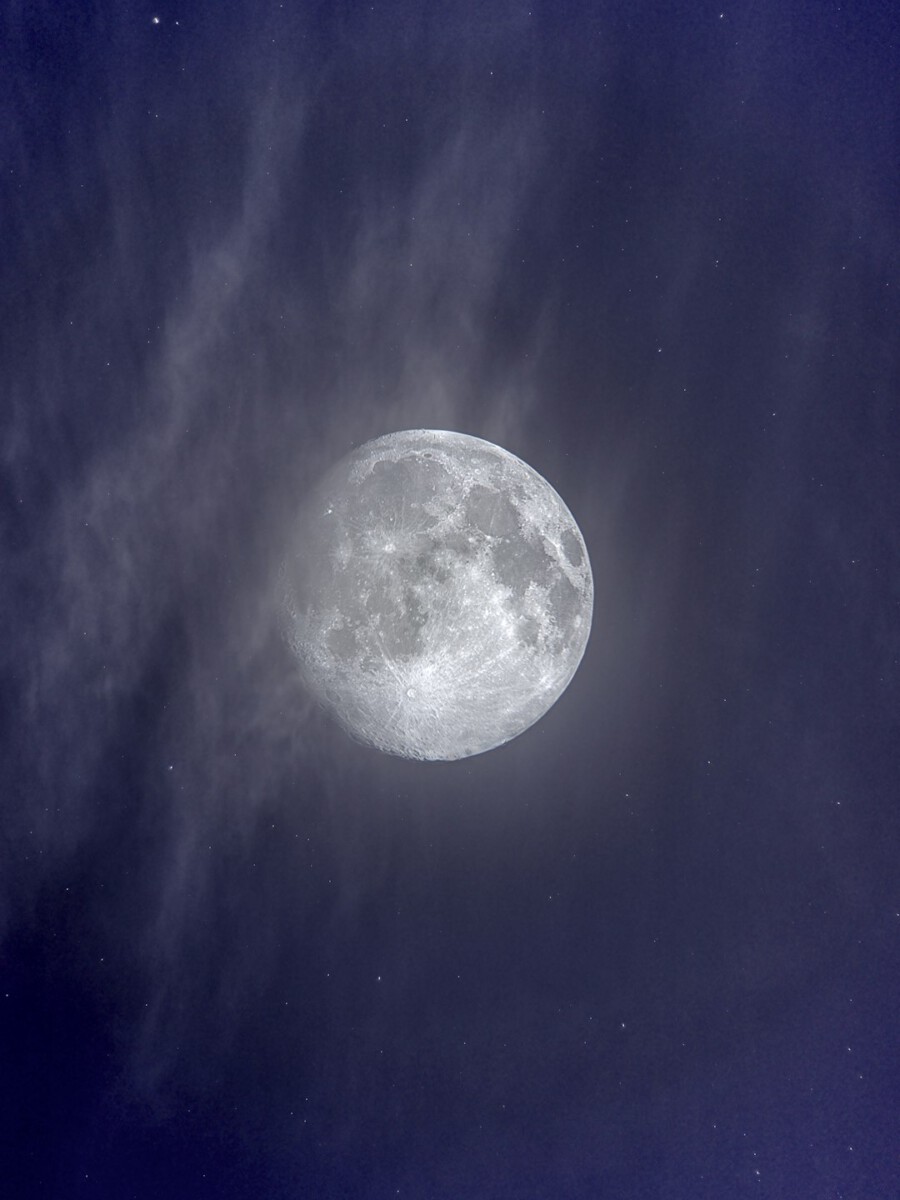
Supermoons Steal the Show Three Times (Image Credits: Unsplash)
Stargazers mark their calendars for 2026, a year packed with 13 full moons, including standout supermoons and lunar eclipses visible across much of the world.[1]
Supermoons Steal the Show Three Times
The year opened with a striking supermoon on January 3, when the Wolf Moon appeared larger and brighter than usual.[1]
This phenomenon happens as the full moon coincides with the moon’s closest approach to Earth, known as perigee. Viewers who missed it can look forward to two more: the Beaver Moon on November 24 at 9:54 a.m. ET and the Cold Moon on December 23 at 8:28 p.m. ET. These events amplify the moon’s glow, reaching a magnitude of about –12.7, far outshining the brightest stars.
Supermoons offer prime opportunities for photography and casual observation, as the moon rises near dusk and lingers until dawn.
Complete 2026 Full Moon Schedule
Full moons occur roughly every 29.5 days, illuminating the moon’s Earth-facing side fully when our planet aligns between the sun and moon. Times listed below are in Eastern Time (EST/EDT).
- January 3, 5:03 a.m. – Wolf Moon (supermoon)
- February 1, 5:09 p.m. – Snow Moon
- March 3, 6:38 a.m. – Worm Moon (total lunar eclipse)[1]
- April 1, 10:12 p.m. – Pink Moon
- May 1, 1:23 p.m. – Flower Moon
- May 31, 4:45 a.m. – Flower Moon (blue moon)[1]
- June 29, 7:57 p.m. – Strawberry Moon
- July 29, 10:36 a.m. – Buck Moon
- August 28, 12:19 a.m. – Sturgeon Moon (partial lunar eclipse)
- September 26, 12:49 p.m. – Corn Moon
- October 26, 12:12 a.m. – Hunter’s Moon
- November 24, 9:54 a.m. – Beaver Moon (supermoon)
- December 23, 8:28 p.m. – Cold Moon (supermoon)
Traditional names draw from North American Indigenous, colonial, and natural observations tied to seasons.Astronomy.com provides the detailed timings.[1]
Eclipses and the Rare Blue Moon
Lunar eclipses add drama to two full moons this year. On March 3, the Worm Moon underwent a total eclipse, with Earth’s shadow fully covering the moon. August 28 brought a partial eclipse during the Sturgeon Moon, dimming part of its surface.
May stands out with two full moons: the first on May 1 and a blue moon – the second in the month – on May 31. Though not as blue as the name suggests, it marks a seasonal rarity.
These events remind observers of the dynamic interplay in our solar system.
Tracking All Lunar Phases
Beyond full moons, the lunar cycle includes new moons, first quarters, and last quarters every month. For instance, February featured a new moon on the 17th, first quarter on the 24th, and last quarter on the 9th.[1]
Phases progress from new moon through waxing crescent, first quarter, waxing gibbous, full moon, waning gibbous, last quarter, and waning crescent. This 29.5-day synodic month governs tides, calendars, and ancient rituals.
Prime Tips for Moon Watching
Full moons appear fully lit for about three days around peak illumination. Rise times near sunset make evenings ideal, though city lights can interfere.
Binoculars or telescopes reveal craters and maria, but sunglasses help combat glare. Clear horizons to the east at dusk yield the best “moonrise” views.
- Three supermoons in January, November, and December amplify the moon’s size and brightness.
- Lunar eclipses highlight March and August full moons.
- Thirteen full moons total, with a blue moon capping May.
2026 promises celestial wonders that connect us to the cosmos – plan your viewings now. What is your favorite full moon event this year? Tell us in the comments.