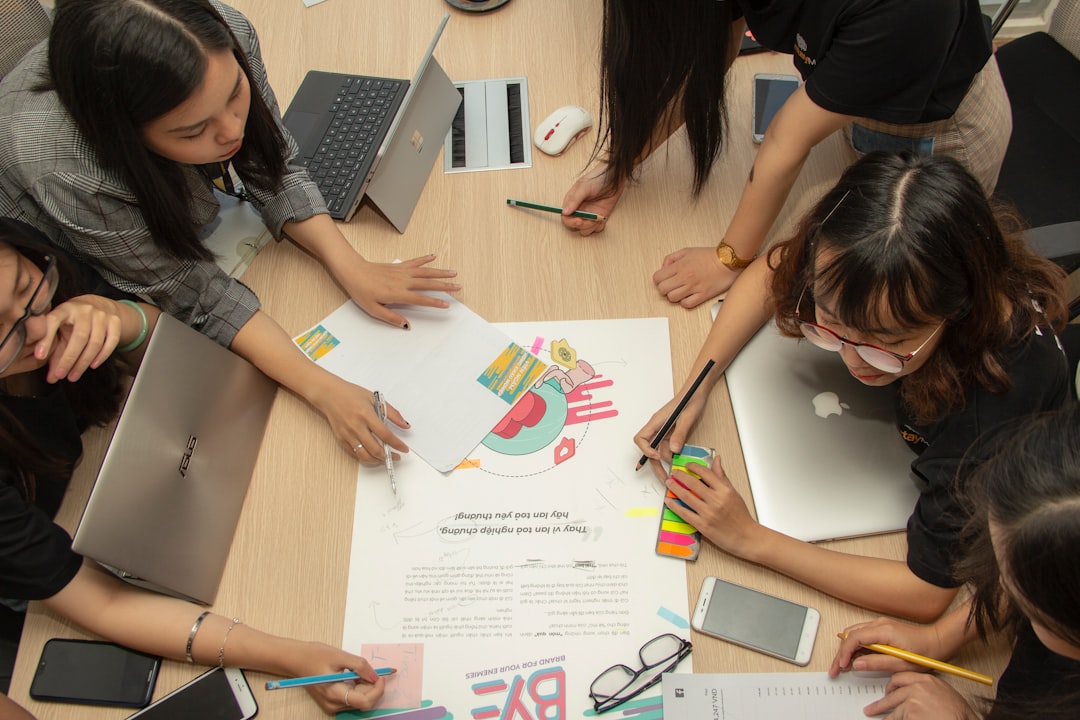
Character Trumps Skills at Higher Levels (Image Credits: Unsplash)
Leaders face immense pressure to build teams that drive results while fostering collaboration and resilience.
Character Trumps Skills at Higher Levels
Recruiting top performers delivers a clear edge in competitive markets, yet the stakes rise dramatically for senior roles. Judgment and personal qualities often determine long-term success more than technical prowess alone. Experienced hiring managers emphasized that standard competency checks fall short without probing deeper into a candidate’s mindset.
Teams thrive when members prioritize collective goals over individual glory. High turnover plagues many organizations, but those who select for humility and adaptability report stronger retention. Behavioral inquiries expose how candidates navigate real-world challenges, revealing their readiness for interdependent work environments.
When Did You Last Accept Help from Others?
One nonprofit leader transformed his hiring process by starting with a personal anecdote about reaching a breaking point as a single parent. This approach encouraged candidates to recount moments of vulnerability, highlighting their comfort with seeking support. Stressful settings demand team players who give and receive aid freely.
Refusal to share such experiences signaled isolation, leading to swift pass-overs. In fields with grueling demands, this question uncovers essential traits for sustained teamwork. Managers noted that it fosters immediate rapport, turning interviews into genuine exchanges rather than interrogations.
Describe a Mistake and Your Response to It
A finance executive relied on this probe to evaluate accountability beyond baseline expertise. Candidates detailed incidents, their reactions, and subsequent adjustments, with follow-ups on apologies proving pivotal. Perfection proves elusive, but genuine remorse and growth mark reliable contributors.
Humility emerged as a core value, distinguishing those open to evolution from the rigidly defensive. Teams built this way emphasize continuous improvement, reducing errors through shared learning. The question sifted for authenticity, ensuring hires aligned with cultures valuing transparency.
Recall Changing Your View After a Colleague Dispute
Technology leaders prized inquiries into opinion shifts during conflicts, assessing flexibility over stubbornness. Rigid thinkers stifled innovation, while adaptable ones propelled problem-solving. Open-mindedness strengthened bonds and elevated output across engineering squads.
This metric gauged collaboration potential, essential for dynamic projects. Candidates who embraced new perspectives demonstrated ego in check, a hallmark of high-performing units. It bridged technical skill with interpersonal finesse, predicting seamless integration.
Sparking Deeper Connections Beyond the Script
Some interviewers displayed family photos or hobbies to invite reciprocal sharing, bypassing rote responses. Résumé interests or portfolio highlights offered entry points for enthusiasm to shine. Preparation amplified these moments, humanizing the process.
Follow-ups delved into lessons learned, relational impacts, and decision trade-offs. Surface answers yielded little; persistent curiosity unveiled core values. This layered dialogue forecasted cultural alignment more accurately than checklists alone.
Key Takeaways
- Prioritize questions inviting vulnerability to spot team-oriented hires.
- Share personal stories first to build trust and elicit honest replies.
- Probe follow-ups reveal motives and predict long-term fit.
Hiring for character secures enduring advantages, turning potential risks into loyal assets. What interview tactics have shaped your best hires? Share in the comments.