

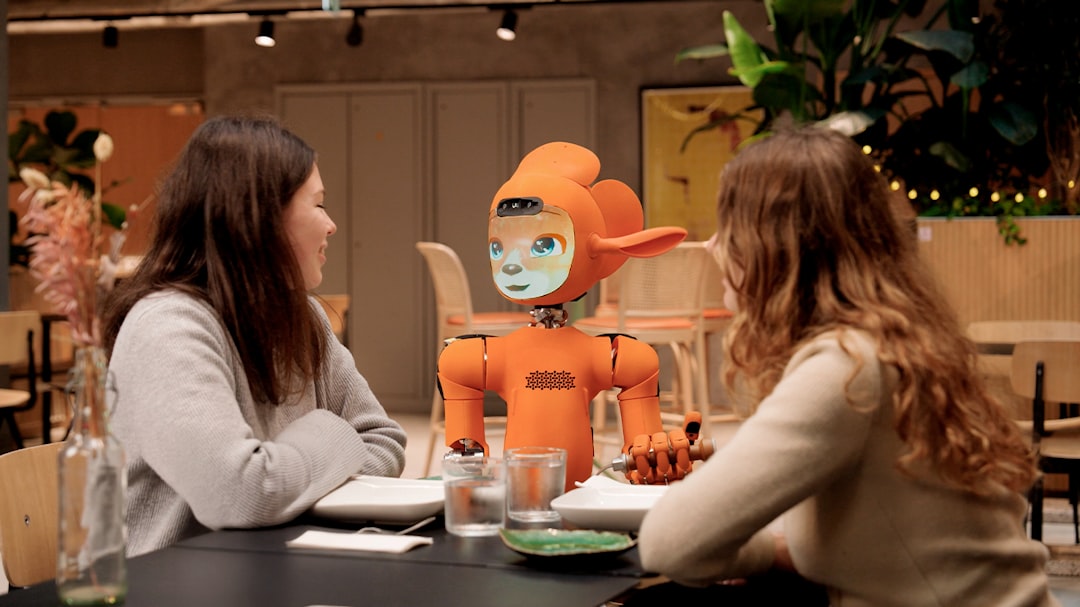
The Cost of Frontline Automation (Image Credits: Unsplash)
Restaurant owners grapple with balancing cost-cutting automation against the human warmth that diners crave.
The Cost of Frontline Automation
Friendliness ratings in quick-service spots plunged 12 points over the past year, according to a study by InTouch Insight. Customers noticed the shift toward kiosks and app-based ordering. One-third now steer clear of venues that seem overly robotic, as revealed in a PAR Technology customer survey.
Operators boosted margins through these tools, yet loyalty suffered. Staff spent less time on personal interactions. The result left guests feeling overlooked amid the efficiency gains. AI promises even more changes, but deploying it at the counter risks deepening the divide.
Unlocking AI’s Power Behind the Scenes
The real advantage lies in deploying AI to streamline invisible operations. Systems can predict inventory needs, ensuring popular appetizers stay stocked on busy nights. Loyalty promotions activate automatically when stock accumulates, minimizing waste.
Labor scheduling adjusts dynamically to surges in online orders. This approach frees employees to engage guests meaningfully. AI acts as an unseen coordinator, linking data across platforms. Restaurants that prioritize these functions report smoother shifts and happier teams.
Voice Ordering Ushers in a New Era
Consumers increasingly turn to AI for purchases, with half relying on powered search tools, per McKinsey research. Orders will soon flow through smart speakers, car interfaces, or chat apps like Siri. A driver might request their favorite meal en route, bypassing traditional apps.
Yet many operations falter here. Point-of-sale systems often fail to sync with inventory trackers. Loyalty programs resist voice integration. Scattered menu details confuse AI agents. Those with unified tech stacks stand ready to capture these effortless orders.
Steps to Build an AI-Ready Foundation
Operators must start with a thorough tech audit to spot silos. Systems unable to exchange data hinder progress. Next, redirect resources from guest-facing pilots to operational tools like predictive analytics.
- Audit your tech stack for integration gaps.
- Prioritize back-of-house tools over chatbot experiments.
- Standardize menu data for machine readability, including modifiers and availability rules.
API-ready menus ensure AI can query and fulfill orders accurately. As voice commerce grows this year, prepared restaurants gain visibility.
Key Takeaways
- Back-of-house AI preserves the human service diners value.
- Integrated platforms position eateries for voice-driven orders.
- Structured data turns potential invisibility into market dominance.
AI enhances rather than erodes the restaurant experience when applied strategically. It equips staff to shine while opening doors to tomorrow’s commerce. What steps is your operation taking to stay ahead? Share in the comments.