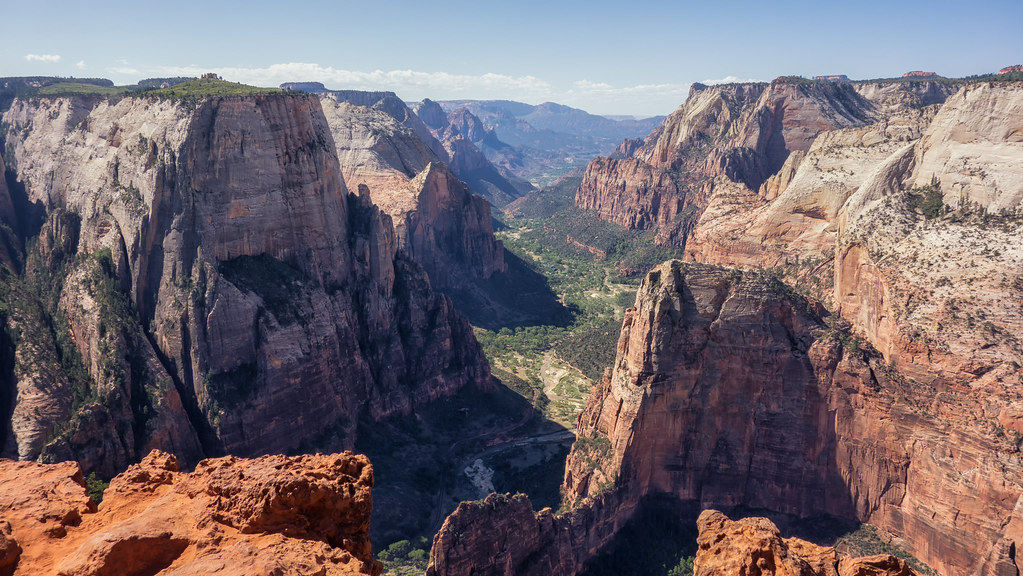

Getting into some of America’s most beloved national parks is no longer as simple as showing up at the gate. As more and more national parks institute timed entries, reservations, and lotteries, planning a national park trip now requires more advance planning than ever before. The era of the spontaneous road trip, at least to the most visited parks, is quietly fading.
National park visitation has been steadily growing since the early 1970s, with visits up by nearly 2,900 percent since 1971, and by roughly 96 percent since 2000. In recent years, visitation has stabilized, ranging from 300 to 330 million annually. That sustained pressure on limited natural spaces has forced park managers to rethink how access is granted, and lottery systems are increasingly central to that conversation.
1. Zion National Park: Where Lotteries Are Already the Norm
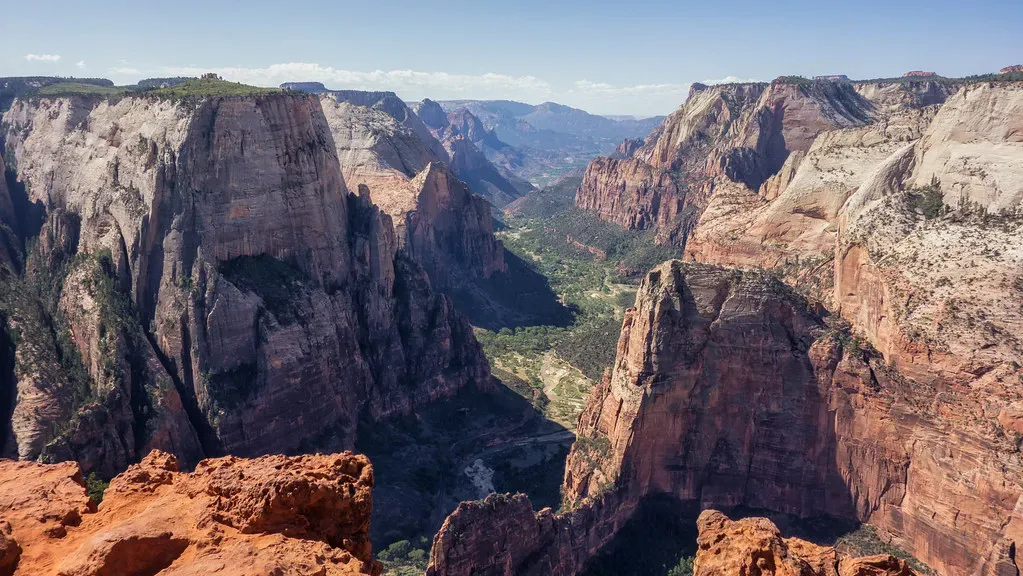
Zion is one of the most striking examples of how lottery systems are reshaping the visitor experience. Just under 5 million people visited Zion in 2024, making it the second most visited national park in the country. That kind of sustained demand has pushed the park toward managed access on multiple fronts, with lotteries now covering some of its most iconic routes.
One of the most dramatic hikes in the U.S., Angels Landing requires a permit via lottery due to narrow trails and steep drop-offs. Seasonal lotteries are held quarterly, and daily lotteries open one day before your planned hike at 12:01 AM Mountain Time. The system is designed to keep trail density manageable on a route where congestion has historically created real safety risks.
Canyoneering permits are required for technical slot canyon adventures like The Subway, Keyhole Canyon, and Mystery Canyon, and these are some of the most competitive to obtain due to limited daily allocations. Canyoneering permits use an advanced reservation system where slots become available exactly three months before your intended hike date, and these often sell out within minutes for popular routes like The Subway. As visitation continues at its current pace, pressure on the NPS to expand or formalize these systems toward 2027 remains strong.
2. Grand Canyon National Park: Lotteries Run Deep
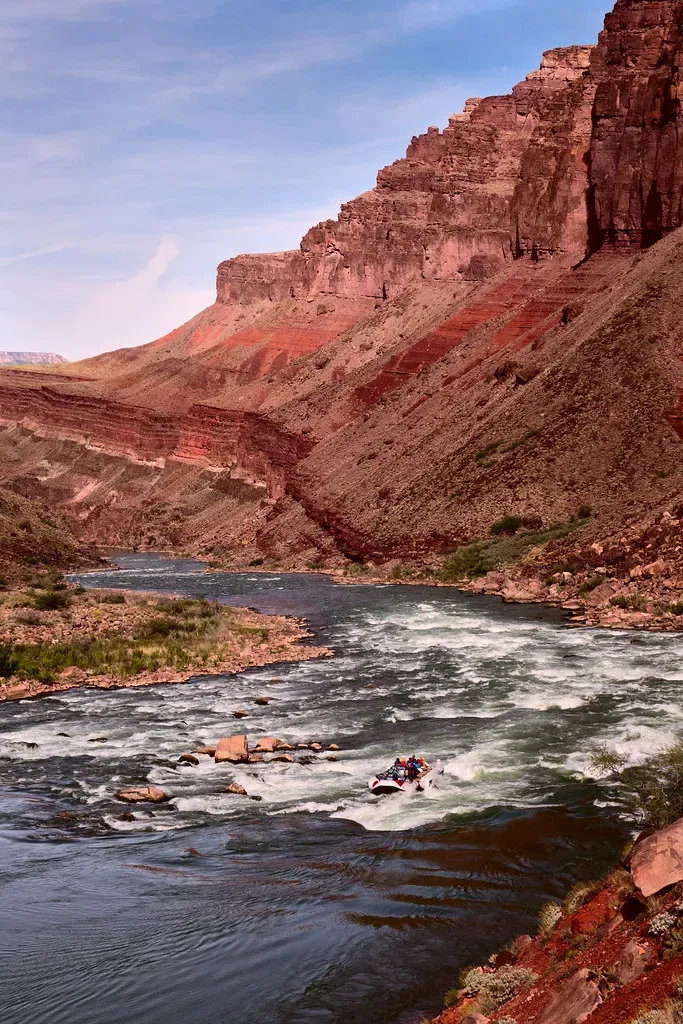
The Grand Canyon already operates one of the most well-known and competitive lottery systems in the entire national park network, and all signs point toward its reach expanding. The National Park Service accepts applications for noncommercial river trip permits to raft the Colorado River through Grand Canyon National Park, with a total of 450 permits available for 12 to 25-day river trips. The demand for those limited spots is extraordinary.
In general, demand for Grand Canyon noncommercial river permits vastly exceeds supply. In the 2023 Main Lottery, there were 9,252 applicants competing for just 359 launch opportunities, meaning 359 applicants could win while the other 8,893 would not secure their own permit. At that rate, the sheer volume of hopeful visitors illustrates how far beyond capacity these systems are being stretched.
For overnight stays at Phantom Ranch at the canyon’s base, that’s also where the lottery comes in. Cabins and meals at the Ranch require reservations, and the lottery helps ensure fair access. Backcountry camping outside reservation campgrounds is also on the lottery system. Given ongoing crowding discussions and the NPS’s documented environmental concerns, a broader lottery framework covering more of the Grand Canyon’s access points is a likely prospect by 2027.
3. Rocky Mountain National Park: The Blueprint Other Parks Are Watching
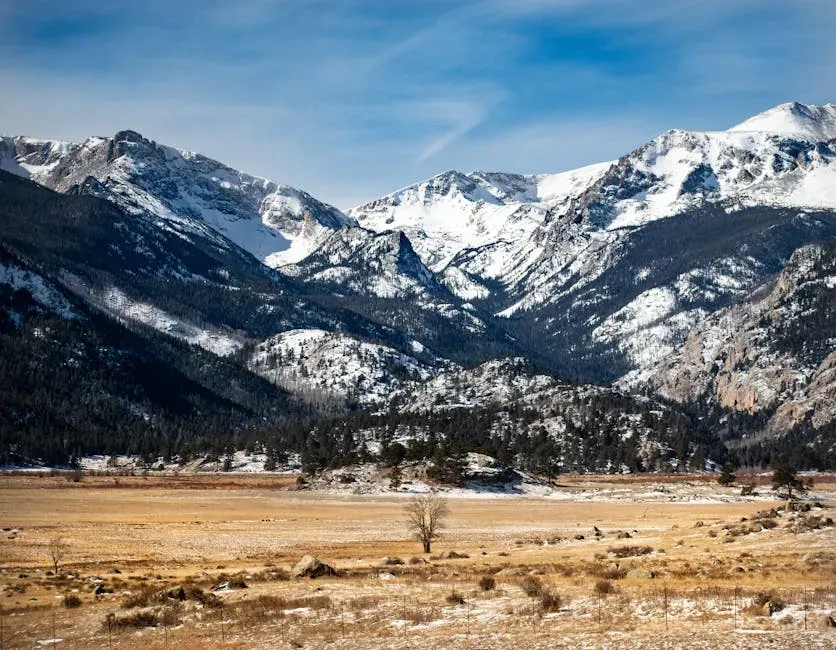
Rocky Mountain National Park has effectively become the model for how a large, high-demand park can operate under a structured reservation and timed-entry framework. The park implemented its 2026 timed-entry reservation system beginning May 22, 2026, providing day-use visitor access in a way that creates opportunities for high-quality visitor experiences while protecting resources. The system is no temporary experiment. It has deep roots.
The system was established through the Day Use Visitor Access Plan finalized in May 2024, and manages day-use visitor access in a way that maintains positive visitor experiences, promotes safety, protects the park’s resources, and supports the park’s ability to maintain daily operations. Visitors must secure a reservation to enter during designated hours, and the park divides access into two zones: one permit covers the Bear Lake Road Corridor, while a separate permit applies to the rest of the park during controlled times.
Between 2016 and 2023, the park piloted several day-use visitor management strategies to address crowding, congestion, and impacts on park resources, and these pilots demonstrated the strategy is effective at easing congestion and improving the visitor experience. With that track record locked in, and visitation showing no signs of declining, a formalized lottery component governing the most competitive access windows by 2027 is a natural next step, particularly given the NPS’s stated intention to expand such systems where warranted.
Why Lottery Systems Are Becoming Unavoidable
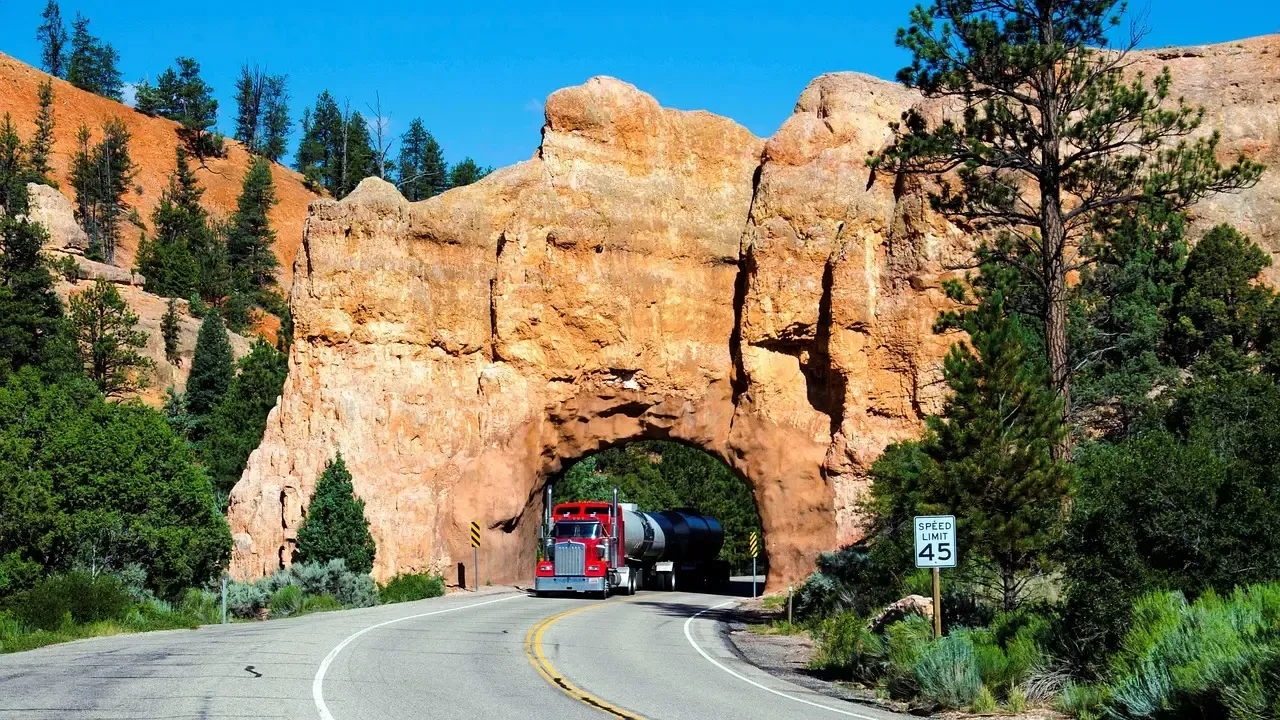
Given the high volume of interest in many sites and activities, Recreation.gov notes that some opportunities require a lottery process to limit traffic, enhance visitor experience, and reduce environmental impact, with the process based on a fair and randomized distribution system to manage access and ensure equitable participation. It’s a practical response to a structural problem: more people want in than can safely be accommodated.
Arches National Park first implemented a timed-entry reservation system in 2022, after a decade of increased visitation that reached an all-time high in 2021. Between 2011 and 2021, crowds skyrocketed over 73 percent, from just over 1 million to over 1.8 million visitors annually. The ripple effects from that kind of growth aren’t just logistical. Trail erosion, wildlife disruption, and degraded visitor experiences are documented outcomes when access goes unmanaged.
A Utah State University study showed that roughly 84 percent of respondents supported a reservation system within Arches National Park, and more than half of participants stated that the program improved the quality of their visitation experience. Public support for managed access, while not universal, is broader than the complaints suggest. The push-back tends to come loudest from those who prefer spontaneity. The parks themselves, and increasingly the data, point the other way.
What This Means for Visitors Planning Ahead
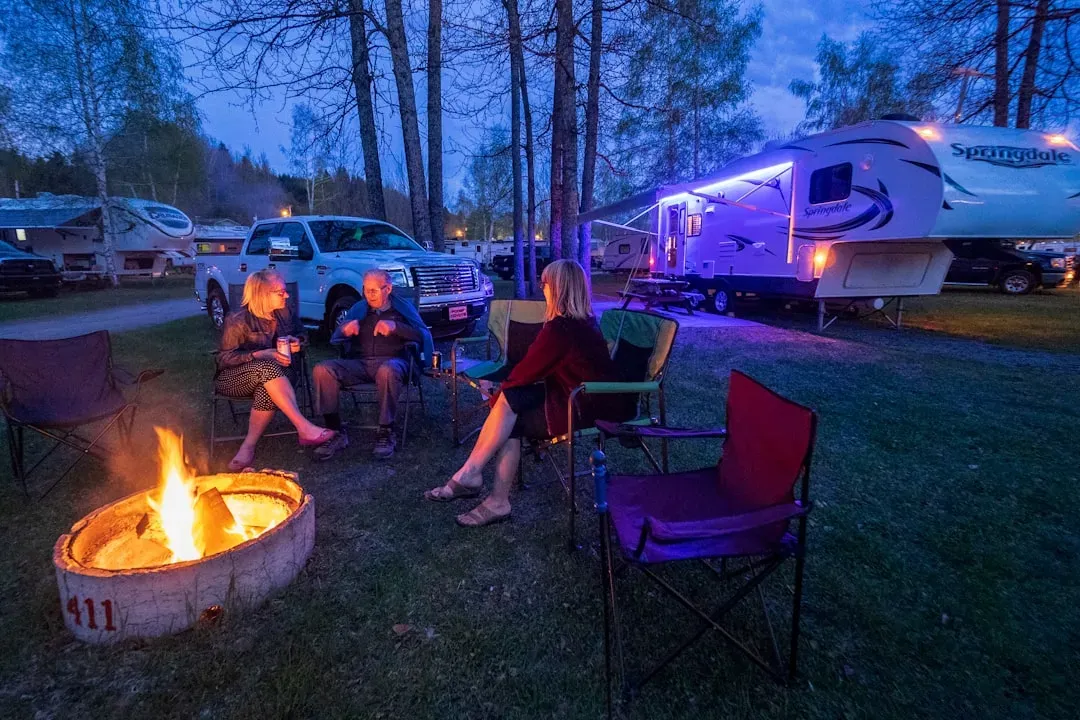
In recent years, reservations have expanded to the majority of campgrounds, a few more popular hikes, timed entry or entry reservations, and more and more lottery systems. For travelers hoping to visit any of these three parks before 2027, planning windows have shifted dramatically. Checking permit calendars four to six months out is no longer just smart. It’s often essential.
In response to feedback from stakeholders and the public, Arches National Park changed its timed-entry system to accept reservations up to six months in advance, with surveys showing that 15 to 26 percent of Arches visitors plan their trip six months or more ahead of time. That adjustment reflects a growing recognition that the people most affected by these systems are long-distance travelers who can’t easily pivot their plans.
During times of peak congestion before implementing these pilots, Arches had to temporarily close its gate until crowding lessened, resulting in many visitors being unable to enter at their preferred time or at all. The vehicle reservation pilots in 2022, 2023, and 2024 were successful in reducing congestion, improving visitor experiences, providing reliable access, and distributing visitation throughout the day. The data is consistent. Structure works, even if it requires more effort from visitors upfront.
The Bigger Picture for America’s Parks

In recent years, reservations have expanded to the majority of campgrounds, a few more popular hikes, timed entry or entry reservations, and more and more lottery systems. It is easy to blame the COVID-19 pandemic for the introduction of timed entry or entrance reservations, but in reality, these systems were under consideration long before COVID started. The pandemic accelerated a shift that was already inevitable.
Yosemite, Glacier, and other NPS sites that have recently adjusted or ditched timed-entry programs are raising concerns that summer crowds may overwhelm some popular destinations. The current policy environment around reservation systems is actively in flux. Some parks that had systems in place are loosening them under political pressure in 2026, while others, like Rocky Mountain, are holding firm. The outcome of that tension will shape what 2027 and beyond looks like.
The trajectory for Zion, Grand Canyon, and Rocky Mountain National Park is clear. Each sits at the intersection of exceptional natural value and exceptional visitor demand, and each is responding with increasingly structured access. Whether those systems take the form of lotteries, timed entry, or hybrid approaches, the days of just driving up unannounced at peak season are behind us. Booking early isn’t a tip anymore. It’s the requirement.