

There’s something quietly electric about the moment you realize you’ve been holding a door open for something that stopped serving you a long time ago. Not slamming it shut in anger, not slowly drifting away. Just finally, deliberately, choosing to close it. Astrology, for all its debate and skepticism, has a funny way of timing these conversations perfectly.
Whether you’re a true believer or someone who just reads their horoscope over morning coffee for fun, the themes of release, closure, and moving on feel deeply personal right now. So let’s dive in – because three signs in particular are standing right at that threshold.
Scorpio: The Master of Holding On Is Finally Ready to Let Go

Here’s the thing about Scorpios: they do not do anything halfway. When they love something, a person, a place, a version of themselves, they grip it with both hands. That intensity is genuinely beautiful. It is also, honestly, the very thing that keeps them trapped longer than anyone else in the zodiac.
Psychology has a name for what makes this so hard. Research by Daniel Kahneman and Amos Tversky found that the emotional torment of a loss can be psychologically roughly twice as powerful as an equivalent gain. For Scorpio, this is not a cognitive bias. It is a lived, daily experience. Letting go feels like losing, even when holding on is the actual loss.
Seeking closure is crucial for mental health and well-being, as unresolved relationships can lead to prolonged emotional distress, rumination, and even symptoms of depression and anxiety. Scorpio knows this somewhere deep down. They have probably known it for years. The door they need to close right now is not dramatic. It is quiet, personal, and long overdue.
When you get closure in a relationship, you can release negative emotions and focus on healing and growth. Closure in a relationship means you understand the situation better and accept how it turned out, giving you a sense of peace as you move forward. That peace is what Scorpio has been denying itself. Not out of weakness. Out of loyalty to something that no longer exists.
Cancer: Nurturing Everyone Except Themselves

Cancer is the caretaker of the zodiac, and I mean that with real admiration. The warmth they bring to a room, the way they remember every small detail about the people they love, it is genuinely remarkable. The problem is that same warmth gets extended to situations and people that are quietly draining them dry.
The need for closure arises from our natural human tendency to seek resolution and understanding in order to achieve emotional, psychological, and cognitive balance. While the need for closure is universal, the way individuals seek and attain closure can vary widely based on personality and the specific nature of the situation. Closure provides a sense of finality, alleviating uncertainty and helping individuals regain a sense of control and stability in their lives. For Cancer, that finality feels threatening. Closing a door means admitting something did not work, and that admission cuts deeply.
Let’s be real, though. The Zeigarnik Effect describes the tendency for people to remember uncompleted or interrupted tasks better than completed ones. This effect, rooted in the Gestalt school of psychology, suggests that our brains seek closure, creating a tension that persists until the task is finished. Cancer is carrying that unresolved tension in their body every single day. It shows up as exhaustion, overcommitment, and a persistent sense that something is not quite right.
A growing body of research has highlighted the numerous benefits of psychological flexibility for individuals. For example, increasing the psychological flexibility of individuals decreases emotional exhaustion and future anxiety, and increases life satisfaction. Closing that door is not abandonment. For Cancer, it is the most loving thing they can do for themselves.
Virgo: The Perfectionist Who Keeps Repairing What Is Already Broken Beyond Fixing

Virgos are brilliant at fixing things. Give them a problem, a system, a relationship showing cracks, and they will work tirelessly to make it better. That drive is admirable. It is also, unfortunately, the reason they stay in exhausting situations long after everyone else has walked away, convinced that if they just try a little harder, it will finally be enough.
What makes this even more psychologically fascinating is the role of the Barnum effect. The Barnum effect describes when individuals believe that generic information, which could apply to anyone, applies specifically to themselves. Virgo, being a sign deeply associated with self-reflection and analysis, is especially susceptible to horoscope language that speaks to themes of service, improvement, and duty. Previous research shows there exists no scientific basis for astrological personality descriptions, but zodiac systems are still very popular, and the Barnum effect may explain why people widely accept these descriptions as matching their own personalities and values.
Still, the emotional truth behind the archetype is real, even if the stars had nothing to do with it. Closure helps individuals process and make sense of their emotions, including grief, anger, sadness, and longing. It also involves gaining clarity and understanding about the reasons for the relationship’s end. Virgo struggles to reach that clarity because they keep revising the analysis. One more data point. One more attempt. One more chance to fix the unfixable.
Empirically, losses tend to be treated as if they were twice as large as an equivalent gain. For Virgo, this means every step toward closure feels disproportionately painful compared to the quiet, slow damage of staying stuck. Studies show that those who gain understanding experience less inner turmoil during and after the breakup. That understanding, that acceptance, is exactly what Virgo needs to give itself permission to finally walk away.
Why So Many of Us Relate – Regardless of Our Sign
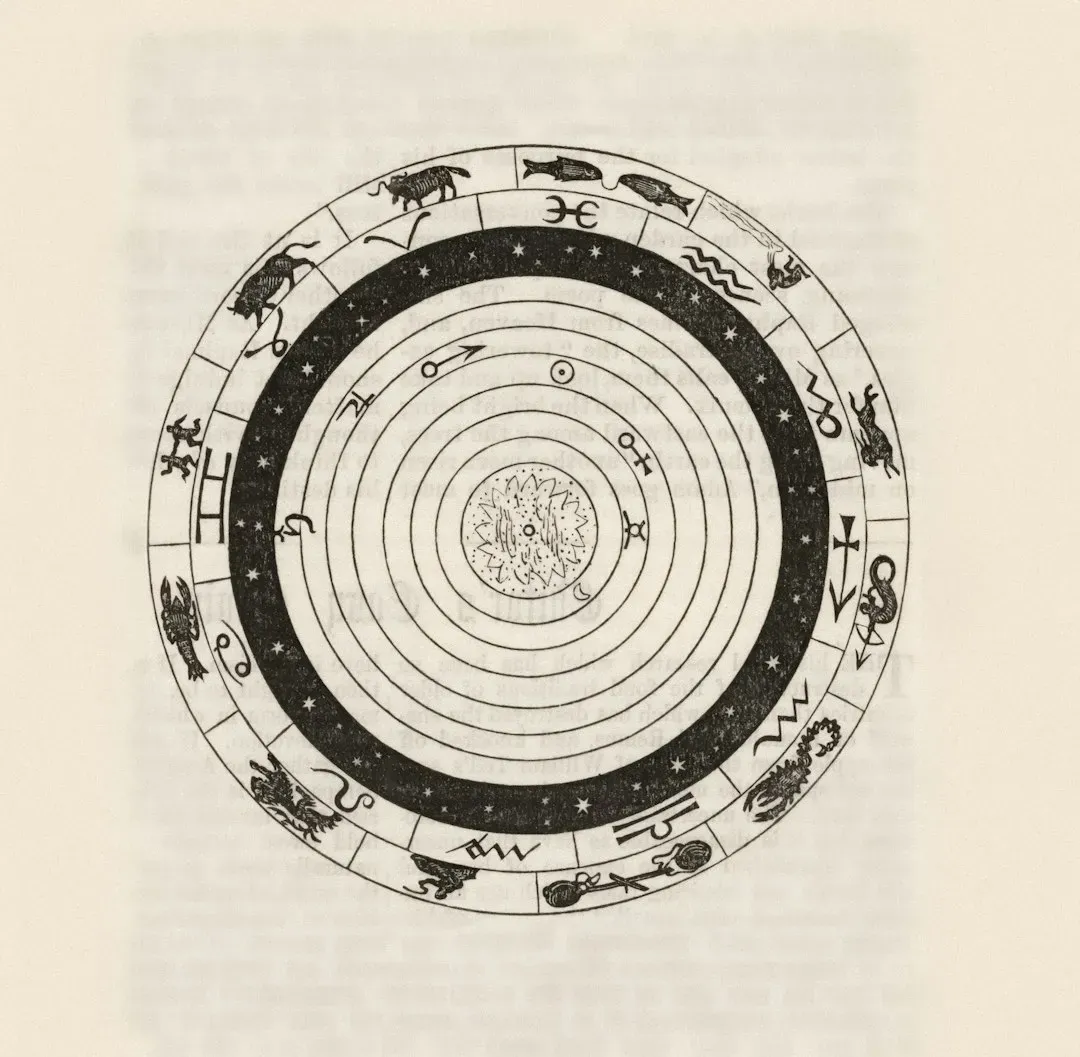
Here is something worth pausing on. A fall 2024 Pew Research Center survey finds that roughly 30% of U.S. adults say they consult astrology, a horoscope, tarot cards, or a fortune teller at least once a year, but most do so just for fun. That is a significant portion of the population turning to these frameworks, even casually, for self-reflection.
YouGov polling found that a little more than one-quarter of Americans, including 37% of adults under 30, say they believe in astrology. Younger generations are not just reading horoscopes out of boredom. They are using them as a language for processing identity, relationships, and life decisions. Notably, younger adults, and especially younger women, are more likely than other major age groups to consult astrology or horoscopes.
The Barnum effect is a psychological phenomenon where individuals accept broad, vague generalizations as personally meaningful and accurate. This tendency is particularly pronounced when the statements are positive and come from someone perceived as an authority figure. In other words, we are not drawn to astrology because we lack intelligence. We are drawn to it because it offers us structured language for the messy, very human work of understanding ourselves.
It is hard to say for sure where belief ends and useful metaphor begins. But the emotional need underneath it all is real. The psychic services industry generated an estimated $2.3 billion in revenue in 2024, employing 105,000 people. That is not a number built on foolishness. It is a number built on the very human hunger for clarity, for permission, and yes, for closure.
The Psychology of Doors We Should Have Closed Sooner
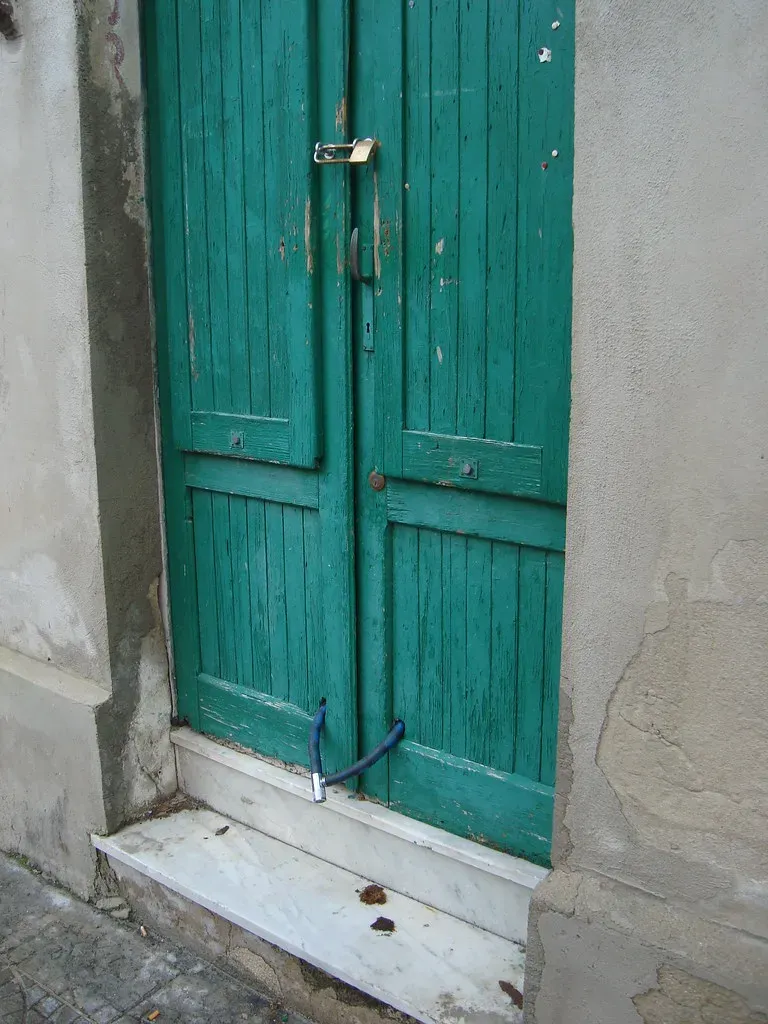
Whether you believe a Scorpio’s birth date predetermines their emotional tendencies or not, the pattern of holding on too long is achingly common. Loss aversion is a psychological and economic concept that describes how individuals prefer to avoid losses rather than pursue equivalent gains. Research indicates that the emotional pain associated with losing is typically felt more intensely than the pleasure of winning, often quantified as being about twice as impactful. That wiring does not care about your zodiac sign. It is just how human brains work.
In behavioral economics, the sunk cost fallacy describes how some people, unwilling to concede a loss on a bad investment, continue to pump resources into a bad decision. They may, for instance, impulsively keep spending money to maintain something unreliable when the smarter choice is to walk away. The unwillingness to concede a loss can motivate irrational behavior. In relationships, jobs, and old versions of ourselves, this plays out in quietly devastating ways.
Closure provides a sense of finality, alleviating uncertainty and helping individuals regain a sense of control and stability in their lives. Seeking closure helps individuals make sense of complex or ambiguous situations. Framed that way, closing a door is not a defeat. It is a reclamation. It is choosing yourself, finally, over the comfort of a familiar pain.
The three signs discussed here, Scorpio, Cancer, and Virgo, all share something beyond their place in the zodiac. They share the tendency to be deeply loyal, deeply feeling, and deeply reluctant to admit when something has run its course. That is not a flaw. It is just a door that needs closing. And right now, if you are reading this and nodding along, maybe that door is yours too.
What is the one thing you know you should have closed the door on a long time ago? Sometimes just naming it out loud is the first step.