
Costco has built a loyal following for good reason. The warehouse giant operates on a bulk-buy model that genuinely delivers savings on many everyday items, and with roughly 130 million subscribing members and about $250 billion in global net sales in 2024, it’s clear the appeal goes well beyond the free samples. Still, the assumption that Costco is always the cheapest place to shop doesn’t hold up under scrutiny.
Costco is known for savings, but not every bulk buy delivers real value. Some items lower household costs over time, while others only look like deals until spoilage, storage limits, or unit pricing are factored in. These five categories are worth a second look before you toss them in that oversized cart.
Fresh Produce: When Buying More Means Wasting More
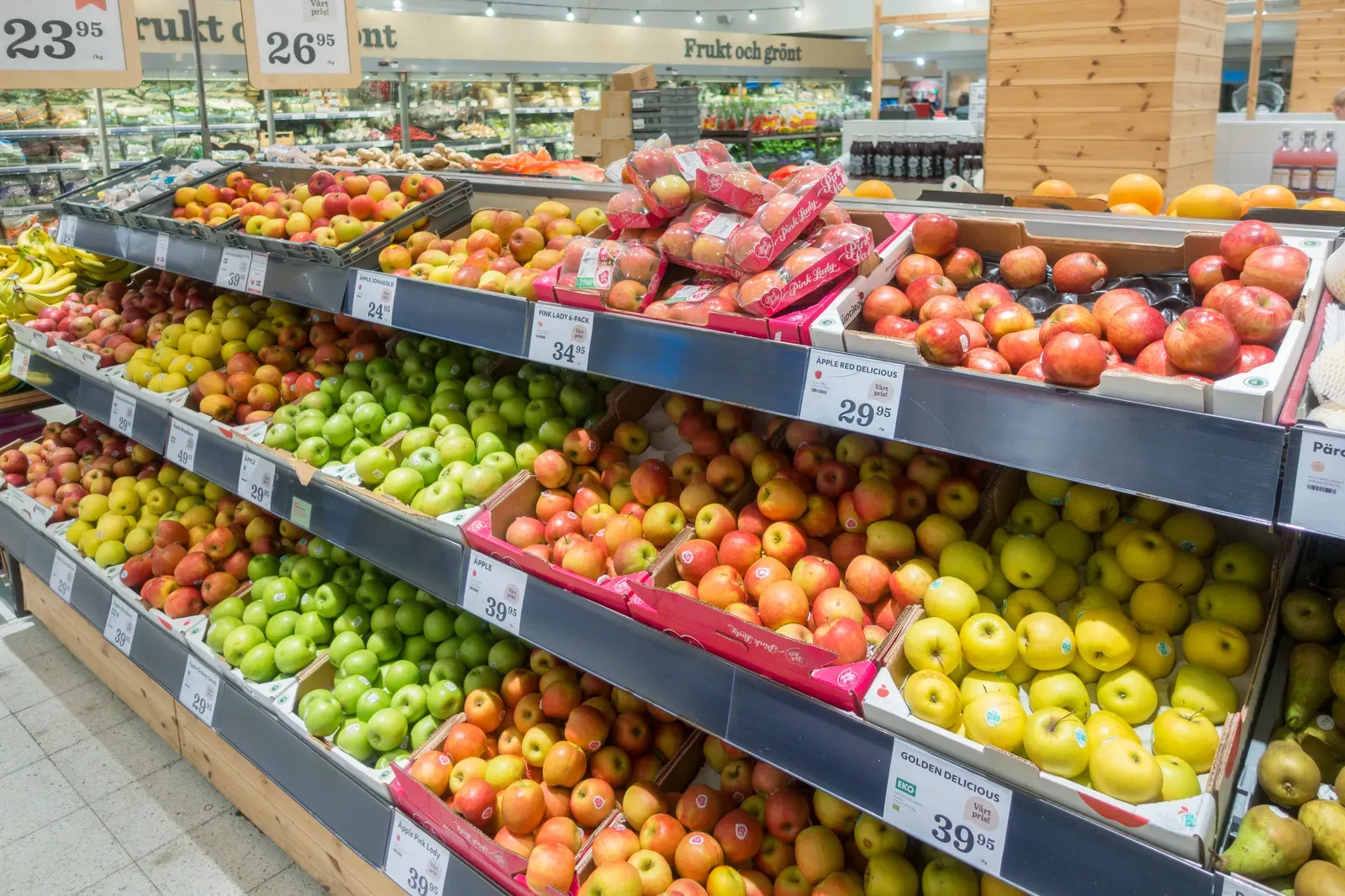
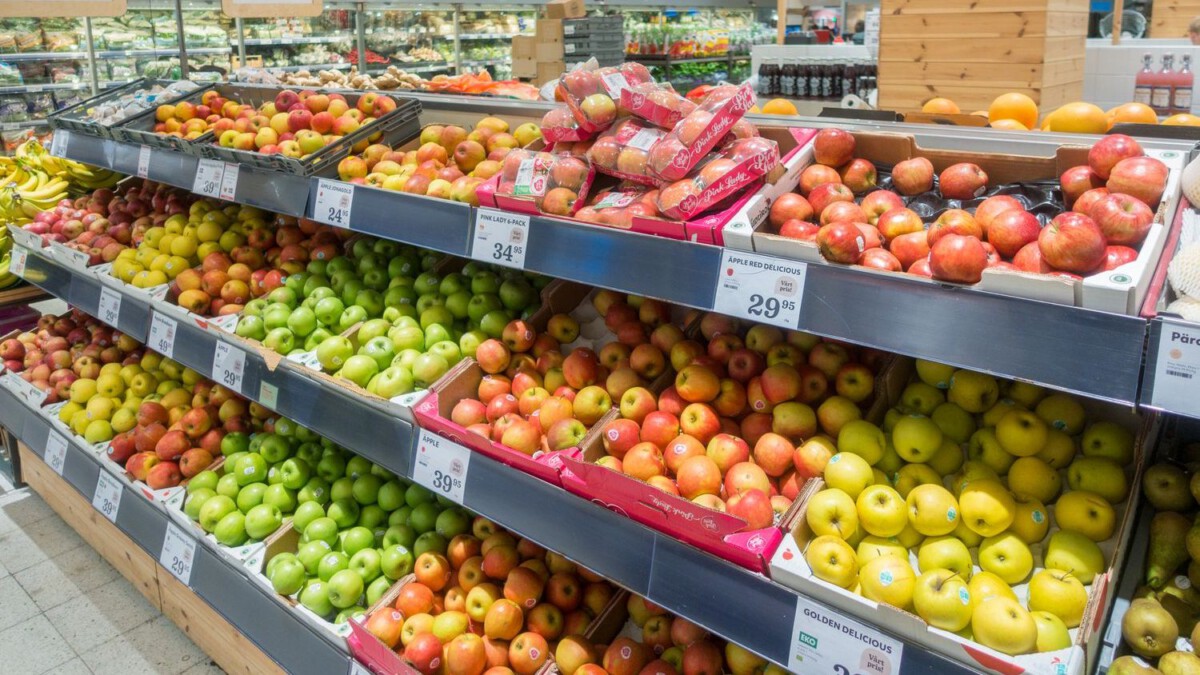
Fresh fruits and vegetables are one of the most commonly cited problem areas for warehouse shoppers. The per-unit price at Costco can look attractive on the surface, but the real math only works if you actually use everything before it spoils. For perishable goods, prices at Costco can sometimes be higher than those at local grocery stores, especially when considering sales and promotions. Buying in bulk means you’ll need to consume these products before they expire, and it’s crucial to balance potential savings with the risk of food waste, as discarded items negate any economic benefits.
The USDA has estimated that roughly 30 to 40 percent of the U.S. food supply is wasted, and bulk shoppers contribute to that figure more than they might realize. As Christine Kingsley, health and wellness director of Lung Institute, noted, if you’re not feeding a lot of people, it’s best to avoid fresh fruits and vegetables from Costco, since most produce can’t be stored at room temperature and goes bad easily. For a household of one or two people, a two-pound bag of spinach or a jumbo tray of strawberries can easily turn into a financial loss before the week is out.
Spices and Condiments: A Jar That Outlives Its Flavor
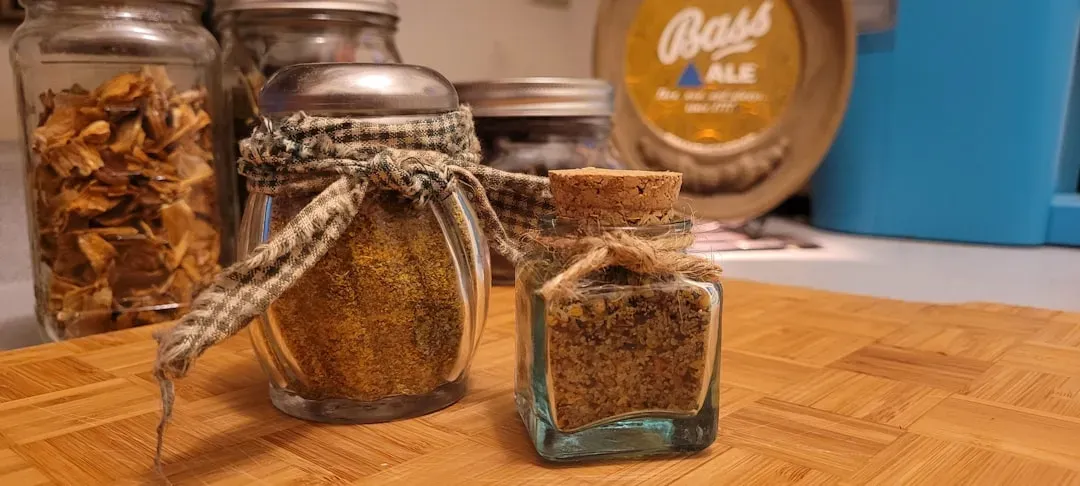
A giant container of cinnamon or paprika looks like a steal on the shelf. The problem is that most households won’t cycle through it fast enough before the flavor starts to fade. Spices and condiments don’t keep their flavor indefinitely, and as one consumer shopping analysis points out, large spice jars are a questionable purchase because spices lose their potency over time and will likely degrade before you finish them.
Condiments also go on sale frequently at grocery stores, especially around holidays, meaning that stocking up on ketchup, mustard, and BBQ sauce at a regular store during a promotion can save more than buying in bulk at Costco. The warehouse model simply doesn’t account for the fact that a product’s effective value drops once it loses potency or once you’ve lost interest in using it. Smaller, fresher quantities from a local store often turn out to be the smarter, more economical choice.
Name-Brand Snack Items: Sales and Coupons Change Everything
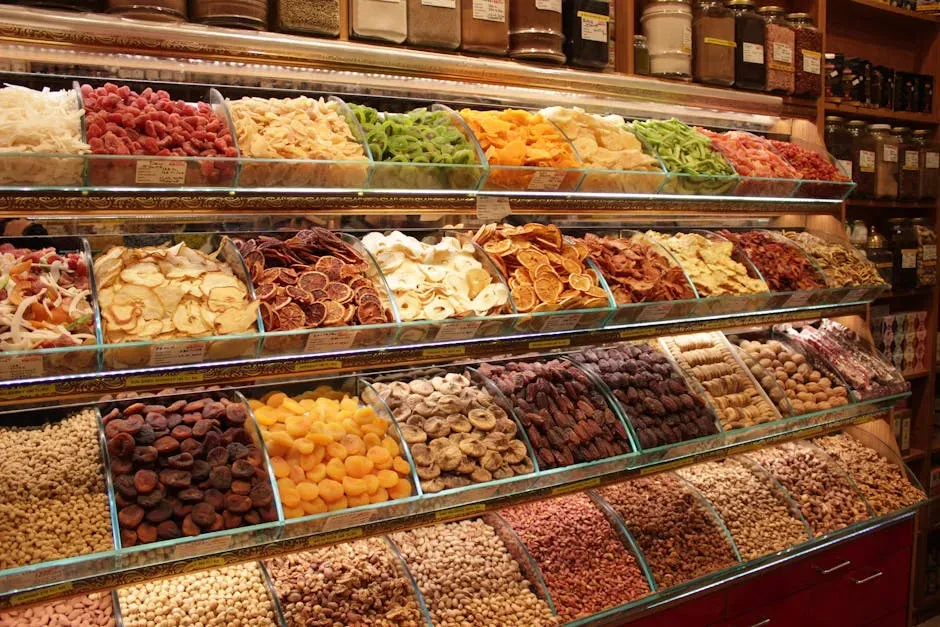
Bulk packs of name-brand snacks are one of the most visually tempting sections of any Costco warehouse. The packaging is big, the price looks reasonable at a glance, and it’s easy to assume you’re getting a deal. Bulk buying creates the illusion of saving money, but those savings aren’t guaranteed. Many shoppers assume that buying in bulk is always cheaper, but per-unit pricing can sometimes be higher than smaller packages at other stores during sales.
Grocery stores routinely use promotions, loyalty card discounts, and manufacturer coupons to bring name-brand snack prices well below what Costco charges without a sale. Buying in bulk also means committing to large quantities of a single product. For example, purchasing a giant box of one type of cereal might leave you stuck eating the same breakfast for weeks, and that lack of variety can lead to food fatigue or even waste if you get tired of the product before finishing it. A 2025 retail trend analysis noted that more consumers are now shifting toward hybrid shopping strategies, splitting purchases between bulk and local stores to avoid overpaying on specific categories.
Soda and Beverages: The Deal That Isn’t
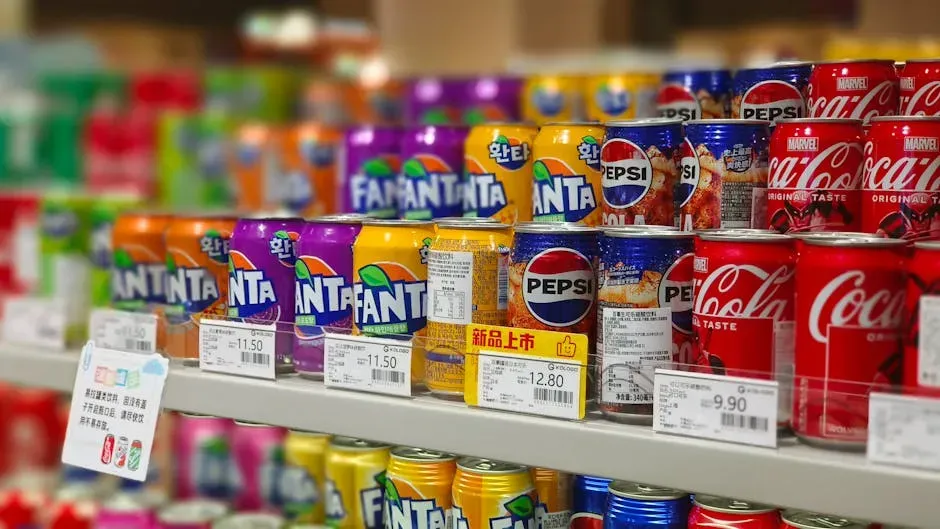
Soda is one of the more surprising categories where Costco often doesn’t win on price. Not everything is cheaper at Costco, and soda is one of those items. Carter Seuthe, CEO of Credit Summit, noted that you can buy soda for either the same price or cheaper at another regular grocery store, and that there really aren’t any benefits to buying it in bulk at Costco.
Costco soda may be tempting because of the massive cases, but when you price it out per can, you can almost always find a better deal at your local grocery store when it goes on sale. Grocery chains frequently use beverages as loss-leader items to draw shoppers in, pricing them below cost during promotional periods. Stacking a store loyalty discount on top of that makes the local grocery option even more competitive. It’s one of those categories where timing your purchase at a regular supermarket can consistently beat the warehouse price.
Membership Fees: The Hidden Cost of Every Purchase

This one isn’t a product, but it’s the most important cost that shoppers tend to undercount. Every item you buy at Costco carries a portion of that annual membership fee, whether you think about it or not. When deciding whether food is cheaper at Costco, it’s essential to factor in the cost of membership. Basic memberships start at around $60 per year, while executive memberships, which offer additional benefits, cost over $120.
Annual membership fees contribute to lower in-store prices, and the revenue generated by these fees ultimately converts to cost savings at the cash register. However, this also means that shoppers who don’t visit frequently enough to recoup that fee are effectively paying more per visit. For a small household that only occasionally shops at Costco, the membership cost can quietly offset the savings on every single item in the cart. Taking Costco’s bulk buying model into account, and factoring in the larger quantities and whether you can realistically use those sizes, is critical, since bulk buying can lead to significant savings but only if you avoid waste and have the storage space.
The Bottom Line on Bulk Shopping
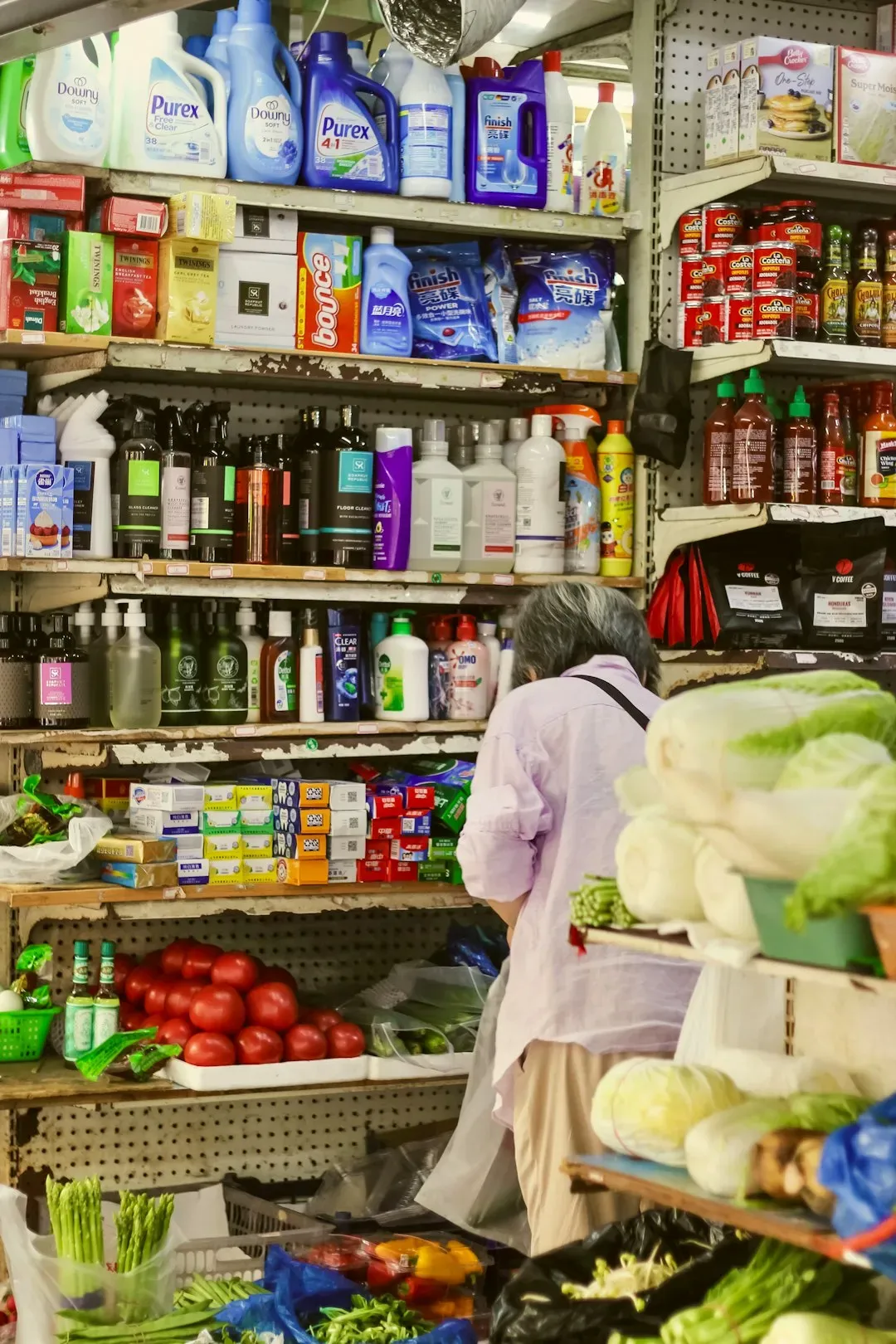
None of this means Costco is a bad deal. For the right shopper buying the right items, it remains one of the most cost-effective retailers in the country. Between 2020 and 2024, food prices increased by 23.6%, according to the USDA Economic Research Service, and warehouse clubs do absorb some of that pressure better than traditional grocery stores on many staples. The value is real, but it’s selective.
The smarter move, as most Americans who buy food from at least two retailers each week are beginning to realize, is knowing which items genuinely save you money and which ones only look like they do. Fresh produce, spices, name-brand snacks, and beverages are categories worth comparing carefully before loading up the pallet-sized cart. The best grocery strategy isn’t loyalty to any single store. It’s knowing exactly where each item on your list is actually cheapest.