Realistic Fakes Infiltrate Breaking News (Image Credits: Flickr)
Advancements in artificial intelligence have enabled tools to produce videos that closely resemble the raw, trusted clips captured by security cameras, dashcams, and bystander phones during critical events.
Realistic Fakes Infiltrate Breaking News
A genuine security video of a coyote playfully jumping on a trampoline in Los Angeles captured widespread attention online. Soon afterward, similar clips featuring kangaroos, bears, and rabbits surfaced, all crafted by AI generators. These fakes spread rapidly as people mistook them for authentic animal antics. Verification experts at Storyful, which authenticates videos for major news outlets, tested leading AI models by inputting real breaking-news headlines. The results produced footage mimicking the gritty style of eyewitness reports, complete with appropriate textures and viewpoints. Even seasoned journalists struggled to distinguish these synthetics from originals without close examination.
This development marked a turning point. AI video generators like OpenAI’s Sora now replicate formats that influence public perception during protests, natural disasters, and emergencies. Tutorials on platforms such as Reddit demonstrate ways to strip watermarks from these creations, allowing unrestricted distribution. Bad actors can generate tailored fakes on demand, raising urgent questions about detection speed.
Why These Videos Deceive at First Glance
Early AI videos often appeared surreal or overly polished, but newer models capture the essence of unscripted reality. They imitate the imperfections of handheld recording, yet subtle behavioral patterns persist. Genuine footage typically includes mundane lead-up moments, shaky handling, and off-center framing reflective of hurried captures. AI clips, by contrast, launch directly into peak action with precise composition and fluid motion.
Training data plays a key role here. Most models draw heavily from cinematic sources, prioritizing dramatic pacing over the chaos of live events. This creates a polished feel that clashes with true user-generated content. As datasets incorporate more raw bystander videos, these distinctions may diminish, complicating future verification efforts.
Public Doubt Grows Amid the Flood of Fakes
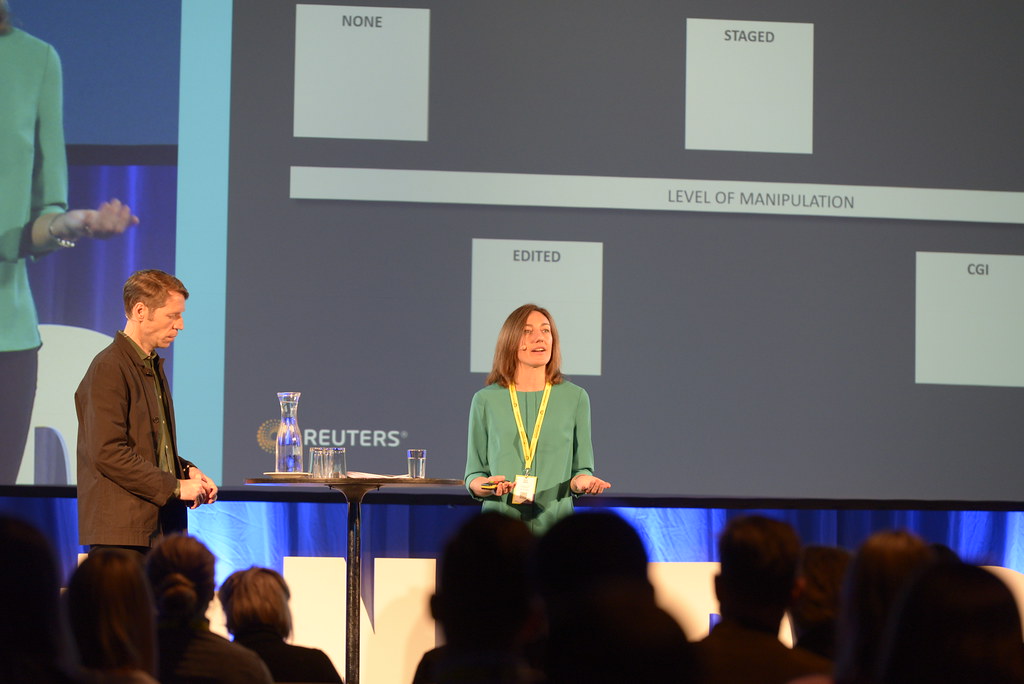
A global survey by the Reuters Institute revealed that 58 percent of audiences worry they cannot differentiate real content from fabricated online material.Reuters Digital News Report. This skepticism, once confined to political deepfakes, now extends to everyday viral clips. Viewers who question a harmless animal video may apply the same doubt to disaster footage or conflict scenes.
The erosion happens gradually. Abundant AI content drowns out verified originals, fostering widespread uncertainty. Once trust fractures in casual videos, it weakens across all visual evidence, undermining confidence in pivotal moments.
Essential Checks to Unmask AI Creations
Detection software offers partial help, but human scrutiny remains vital, with tools achieving only 65 to 75 percent accuracy under optimal conditions. Accuracy plummets soon after new models launch. Storyful’s teams rely on consistent visual and structural cues that anyone can learn. These indicators provide immediate defenses against deception.
- Action begins at the peak, skipping buildup or idle time common in real recordings.
- Subjects align perfectly in frame, unlike the erratic angles of eyewitness shots.
- Movement appears unnaturally smooth, lacking the jerks and refocuses of authentic handheld video.
- Details like timestamps, signs, or plates warp or generalize upon inspection.
- Scenes in disasters or wildlife feel overly staged, missing life’s inherent disorder.
These markers hold value today, though evolving technology will demand ongoing adaptation.
Transparency Emerges as Journalism’s Shield
Newsrooms increasingly prioritize verification processes to counter the threat. Initiatives like BBC Verify and CBS News Confirmed openly detail forensic analysis, metadata review, and geolocation checks. Storyful’s Newswire supplies partners with provenance data for every clip.Storyful Newswire.
Key Takeaways
- AI excels at visuals but falters on real-life randomness.
- Verification beats detection tools for reliability.
- Open processes rebuild audience faith in an AI-saturated world.
Authenticity stands out as a premium in this landscape. Platforms must strengthen safeguards, regulators update rules, and individuals sharpen scrutiny. News organizations that routinely show their verification work will lead the way. Real footage thrives on its human unpredictability, a quality AI has yet to master fully. As stakes rise, proactive transparency ensures viewers can rely on what they witness. What strategies do you use to verify online videos? Share in the comments.