
Renters have endured skyrocketing prices for years, but 2026 brings a twist. Some bustling metros are finally offering relief with notable declines, while a few outliers buck the trend and heat up fast. National medians hover around $1,667, down over 1% year-over-year, yet the map tells a split story.[1][2]
Here’s the thing. Supply surges in oversupplied Sunbelt spots are cooling things off, but demand pockets elsewhere keep pushing upward. Curious which cities made the cut? Let’s jump in.[3]
Austin, Texas: Plunging Over 6%
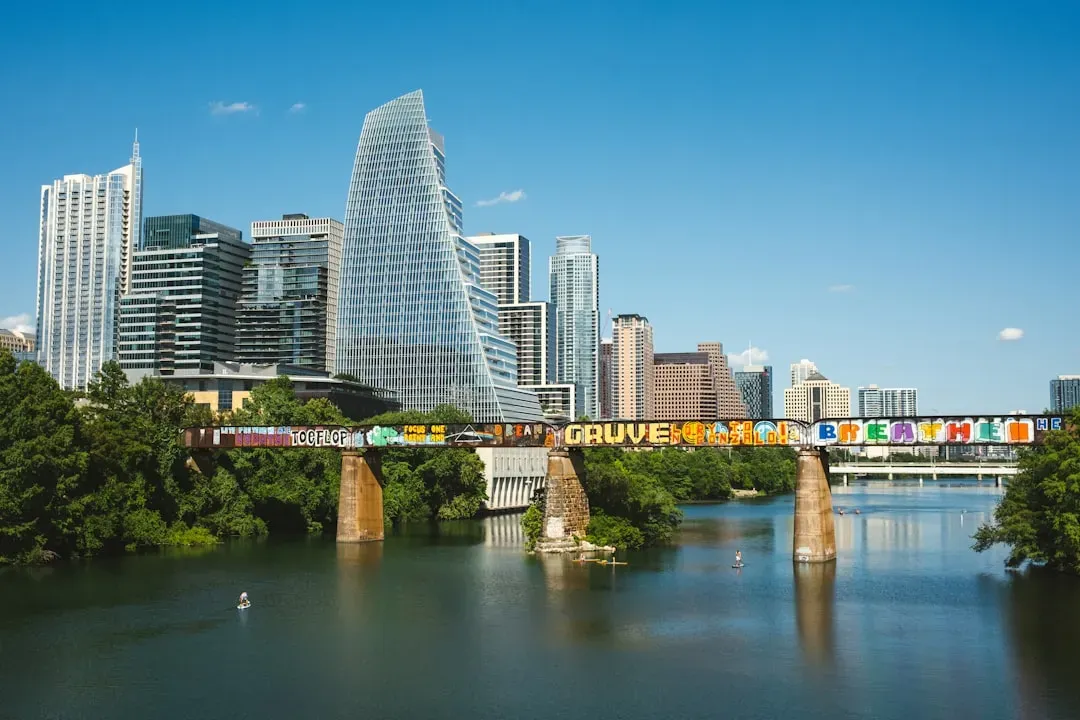
Austin leads the pack with rents dropping 6.6% year-over-year as of late 2025 data carrying into 2026.[2] That’s a breath of fresh air after pandemic booms flooded the market with new units. Median asking rents sit well below peaks, down nearly 18% from 2022 highs.[1]
Tech slowdowns and ample supply mean landlords compete harder. I think this could stick around if construction keeps pace. Renters here score big savings, like $100 less monthly on average.
Denver, Colorado: Down Nearly 5%
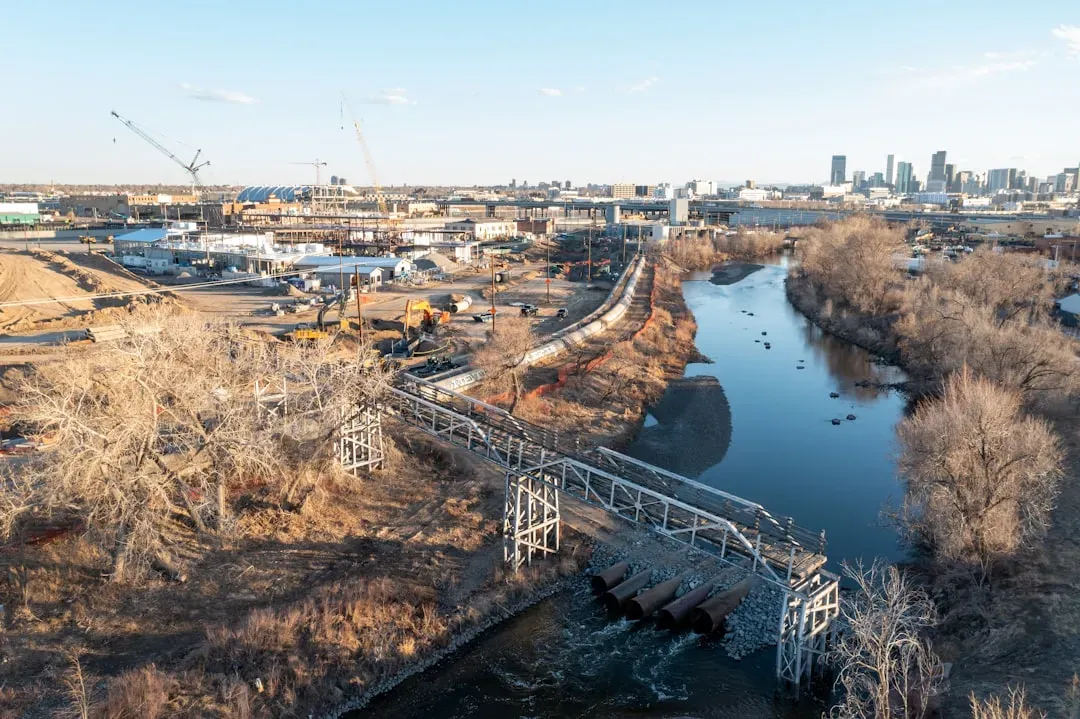
Denver follows close with a 4.8% dip year-over-year.[2] Oversupply from recent builds has softened demand amid high living costs. Figures show about 5% decline into early 2026.[3]
Remote work shifts pulled some folks out, easing pressure. Honestly, it’s a renter’s market now. Expect medians around $1,700, down from pricier days.
Local vacancy rates hover higher than average too.
Phoenix, Arizona: Cooling 4%
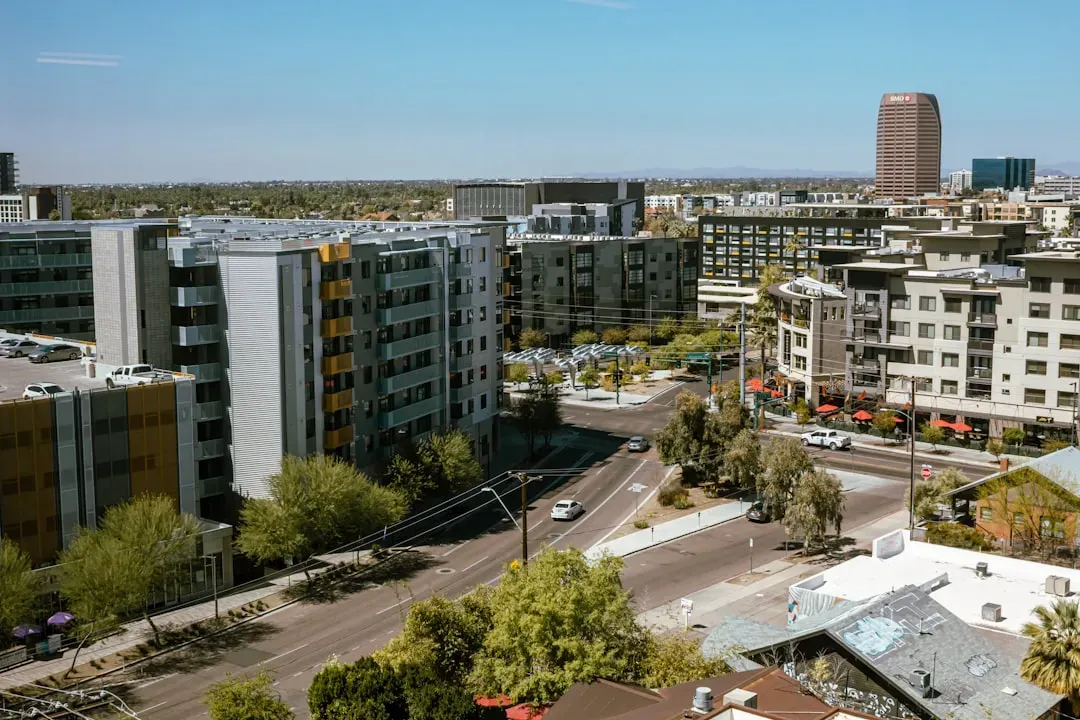
Phoenix saw rents fall 4% year-over-year.[2] Sunbelt migration hype faded, leaving excess apartments empty. From peaks, drops hit 15.6%, a solid relief.[1]
Hot summers and economic jitters add to the slowdown. Families find two-bedrooms under $1,600 more often. This trend feels sustainable short-term.
Jacksonville, Florida: 4.2% Relief
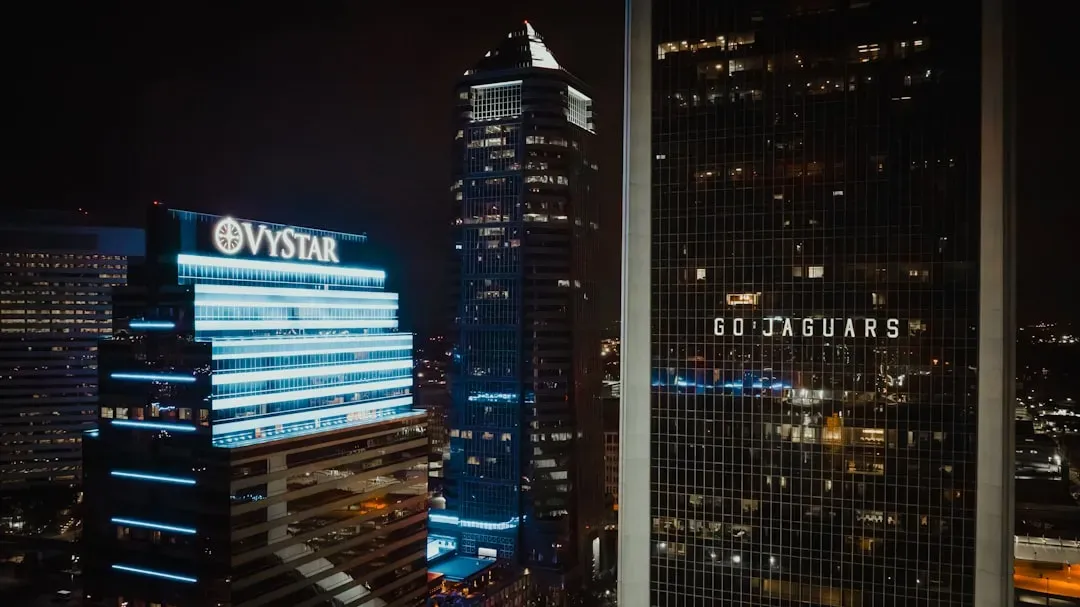
Jacksonville notched a 4.2% year-over-year decline.[2] Florida’s build boom caught up here, flooding options. Rents trail national recovery, down over 11% from peaks.[1]
Beach proximity draws crowds, but supply wins out. Let’s be real, this beats the frenzy elsewhere. Median one-beds dip below $1,400.
Birmingham, Alabama: Sharp 4.6% Drop
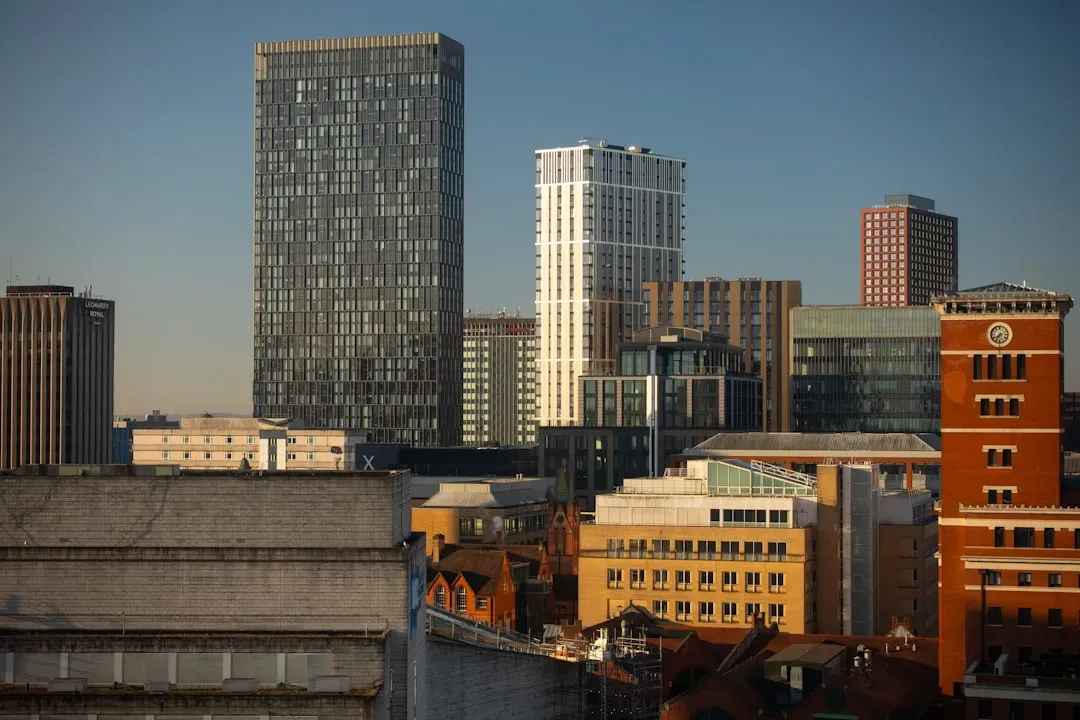
Birmingham claims a 4.6% year-over-year fall.[2] Steady construction outpaces job growth slightly. Peak declines reach 17.1%, among the steepest.[1]
Affordable base rents make the drop feel huge. Industries stabilize, but no rush back yet. Renters pocket real savings amid calm markets.
It’s like finding extra cash unexpectedly.
Atlanta, Georgia: Surging 5.8%

Atlanta bucks the downtrend with 5.8% apartment rent growth.[4] Job hubs and migration fuel demand despite supply. Yet from peaks, still 15% off, but momentum builds.[1]
Southern appeal draws newcomers fast. Medians climb past $1,500. This heat feels relentless.
Virginia Beach, Virginia: Up 5.5%
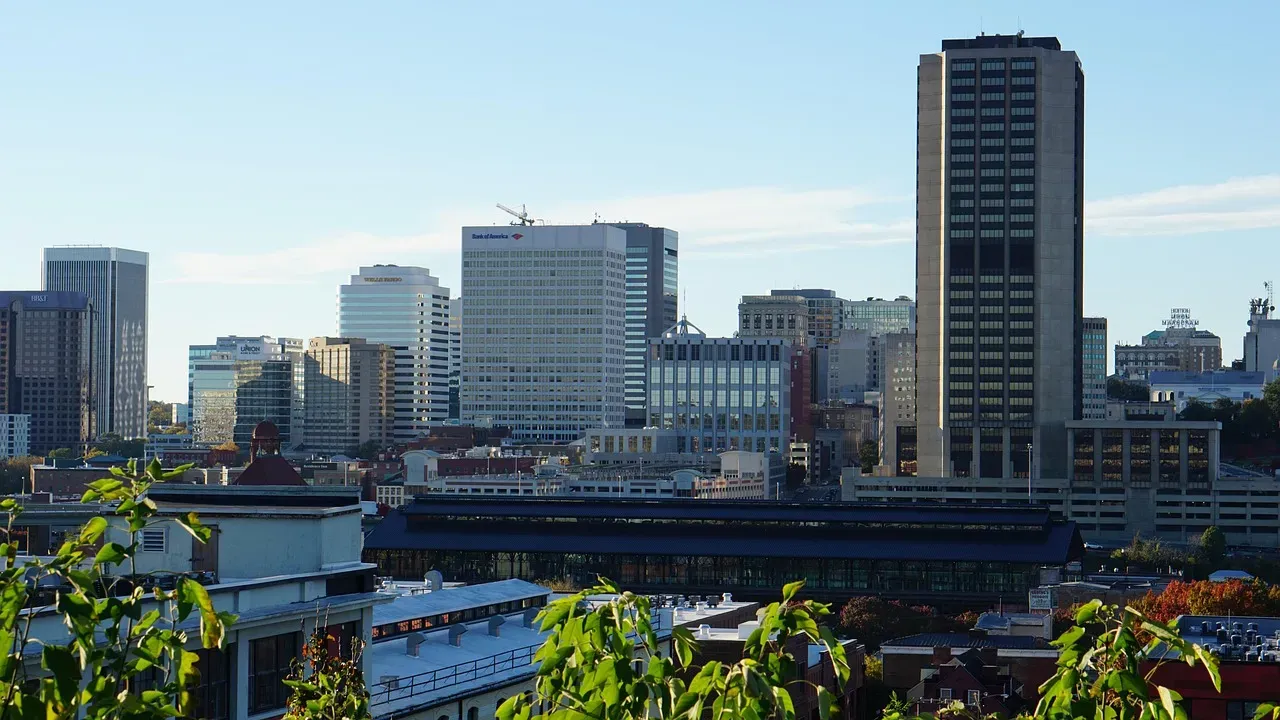
Virginia Beach posts 5.5% year-over-year gains per Apartment List.[5] Military bases and coastal vibe sustain pressure. YoY up 4.5%, near recent peaks.[1] Around 5% rise noted broadly.[3]
Tight inventory keeps landlords smiling. Rents push $1,600 territory. Demand shows no quit.
Minneapolis, Minnesota: Climbing 5.2%
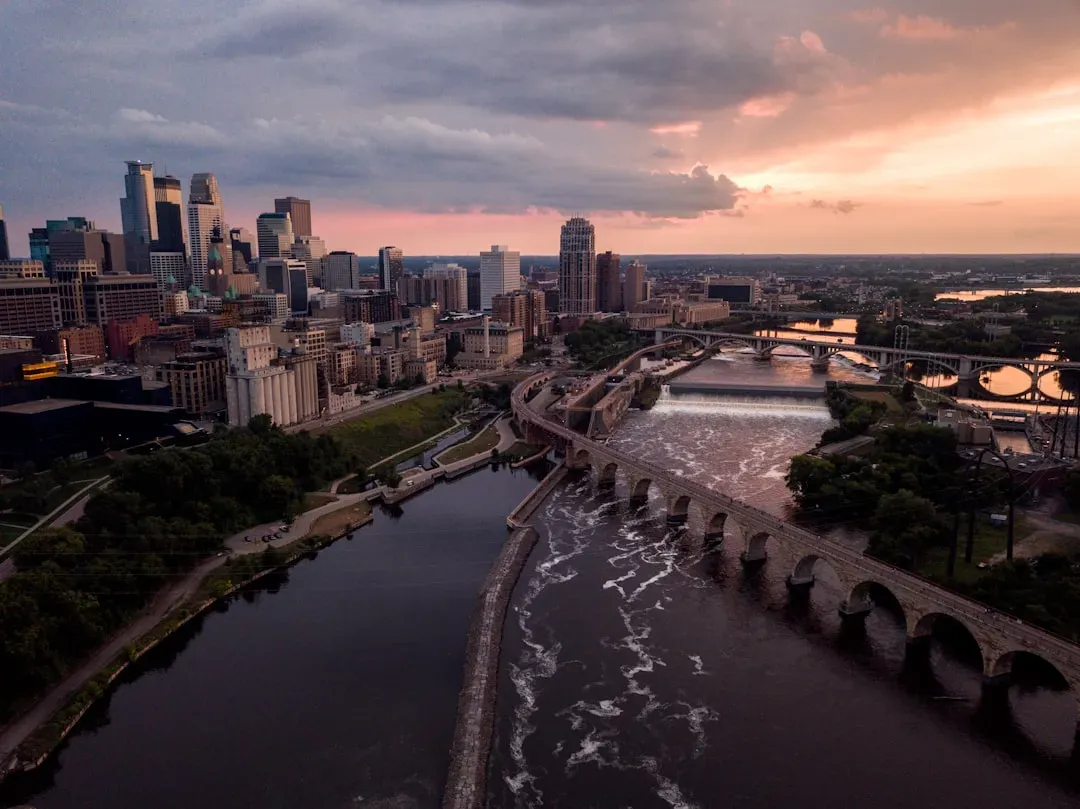
Minneapolis rents rose 5.2% recently.[4] Midwest recovery and tech jobs ignite fire. Cold weather aside, seekers flock in.
Supply lags here unlike Sunbelt. Medians edge higher steadily. It’s a stark contrast to neighbors.
What a turnaround story.
National Trends and What’s Ahead

Overall, 57% of metros saw drops into 2026.[6] Apartment completions slow, potentially stabilizing prices. Zillow sees modest growth ahead, single-family up 1.8%.[7]
Relief feels real in dropping spots, pressure mounts elsewhere. Track your city closely. Where do you stand?[3]