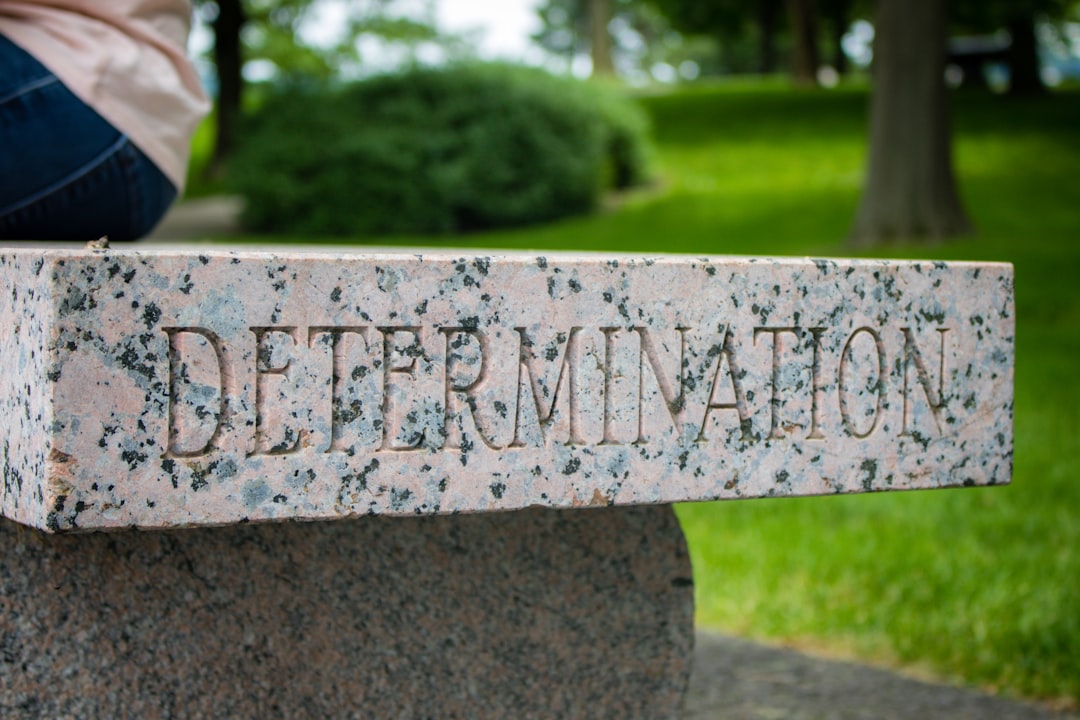
Persist Through Visionary Commitment (Image Credits: Unsplash)
Rejection shadows every bold business venture, yet history shows it rarely signals defeat. Entrepreneurs who pushed past initial dismissals repeatedly unlocked innovations that redefined markets and created enduring empires. Their unyielding drive demonstrates how persistence elevates ordinary ideas into transformative forces.[1][2]
Persist Through Visionary Commitment
Entrepreneurs who abandon their core ideas at the first sign of doubt often watch others capitalize on them later. True innovators hold firm, recognizing that challenges test resolve rather than validity. This steadfastness separates fleeting attempts from lasting legacies.
Bill Gates encountered early failure with Traf-O-Data before founding Microsoft, which grew into a tech powerhouse.[1] Steve Jobs faced ouster from Apple amid product setbacks, only to return and steer the company toward iconic achievements.[1] Such examples reveal how refusing to waver opens doors to dominance.
Harness Naysayers for Refinement
Critics and rejections provide invaluable feedback that sharpens strategies without derailing the mission. Savvy leaders listen selectively, incorporating insights to bolster their pursuits while dismissing unfounded pessimism. This approach turns opposition into a refining tool.
Arianna Huffington endured nearly 40 publisher rejections for her second book yet launched the Huffington Post, later sold for $315 million.[1] Frederick W. Smith received a C grade on his Yale paper outlining a delivery service concept, but he built FedEx into a logistics giant.[1] These cases highlight adaptation’s power amid skepticism.
Embrace Relentless Iteration
Breakthroughs demand thousands of trials, where each failure informs the next step. Business pioneers treat prototypes and pitches as learning opportunities, iterating until success emerges. This grind transforms raw concepts into polished realities.
James Dyson crafted 5,127 prototypes over five years before unveiling his bagless vacuum cleaner, laying the foundation for a billion-dollar brand.[3] Thomas Edison navigated over 1,000 unsuccessful attempts at the light bulb en route to 1,093 patents.[1] Colonel Sanders pitched his chicken recipe to 1,009 restaurants before securing his first deal, sparking KFC’s global rise.[4]
| Entrepreneur | Key Setback | Outcome |
|---|---|---|
| James Dyson | 5,127 prototypes | Dyson empire |
| Colonel Sanders | 1,009 rejections | KFC franchise |
| Thomas Edison | 1,000+ light bulb failures | 1,093 patents |
Sustain Daily Discipline Over Time
Long-term success stems from consistent effort, not sporadic bursts. Committed entrepreneurs build habits that foster trust and momentum, proving reliability to stakeholders. This endurance outpaces talent alone.
Walt Disney weathered bankruptcy and rejections, including MGM’s dismissal of Mickey Mouse, to pioneer animation.[1] Jeff Bezos overcame Amazon glitches and $50 million in unsold inventory to dominate e-commerce.[1] Their routines turned vulnerability into strength.
Nurture Ties Beyond Initial Rejections
Every ‘no’ represents a potential future ‘yes’ if relationships endure. Persistent outreach, marked by patience and value delivery, converts skeptics into allies. This relational persistence amplifies opportunities.
Nick Woodman lost investor funds on Funbug before GoPro revolutionized action cameras.[1] Milton Hershey shuttered early candy ventures yet persisted to craft enduring chocolate success.[5] Such bonds yield compounding returns.
- Rejection counts as data, not defeat.
- Iteration builds unbreakable expertise.
- Endurance forges unbreakable networks.
Key Takeaways:
- Refuse to abandon your vision – others await your idea.
- Iterate fearlessly; 5,000 failures precede triumphs.
- Cultivate every connection for eventual breakthroughs.
These principles underscore persistence as business’s ultimate edge, converting widespread ‘no’s into singular world-altering victories. What rejection will you reframe next? Share your thoughts in the comments.