A Nightmare Discovery Shakes a Quiet Suburb (Image Credits: Nypost.com)
Oceanside, New York – Nassau County police unveiled the identity of the man who invaded a young mother’s home, bound and assaulted her before shooting her dead more than five decades ago.[1][2]
A Nightmare Discovery Shakes a Quiet Suburb
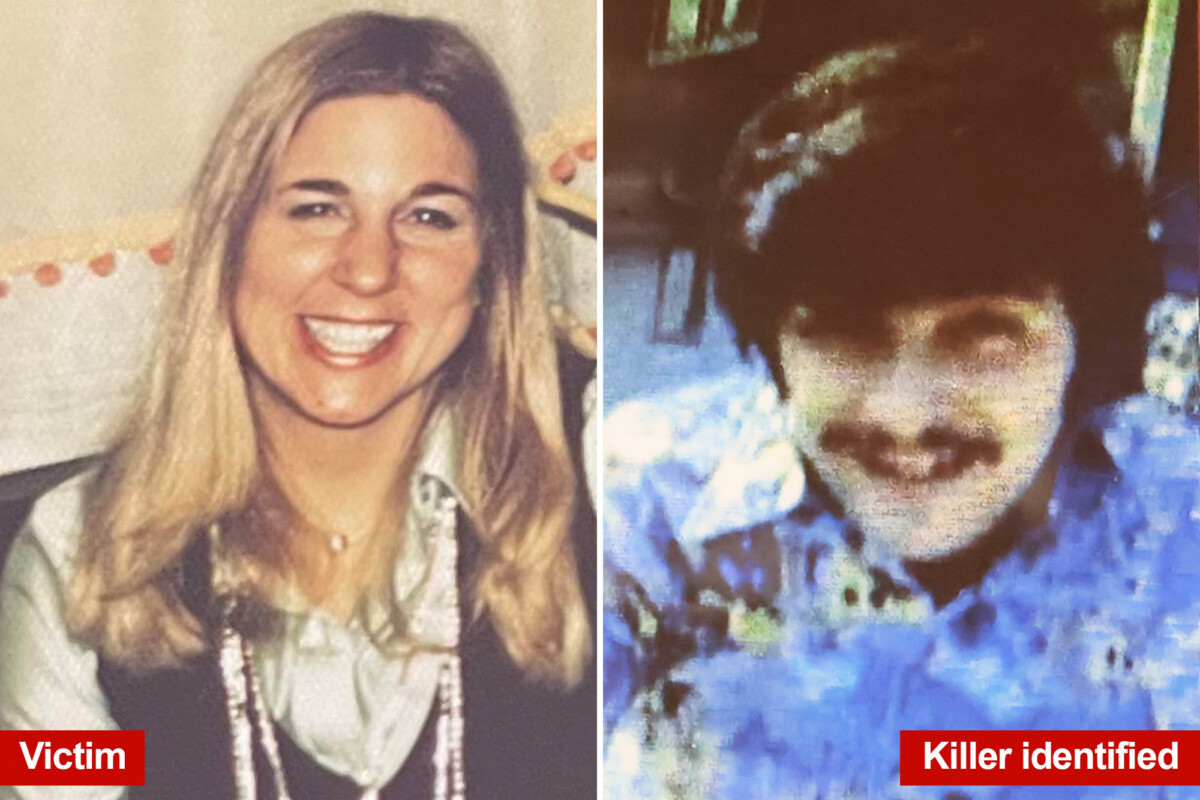
On February 1, 1974, 31-year-old Barbara Waldman planned a routine day at her home on Sally Lane. The New York University graduate, who had put her teaching career on hold to raise her three young children, never made it out. Her 5-year-old son Eric returned from kindergarten and found her body on the second floor.[1][2]
Investigators determined an intruder had tied Waldman’s hands behind her back with her own stockings, sexually assaulted her, and shot her in the back of the head as she lay on the floor. No signs of forced entry appeared, consistent with the era’s custom of unlocked doors in the new development. A neighbor reported seeing a man in a fur-lined snorkel jacket leaving the area, leading to a composite sketch of a mustached suspect.[1][2]
Thirty detectives swarmed the scene, setting up a trailer for tips, but leads dried up quickly. Semen on Waldman’s bathrobe and a fingerprint offered hope, yet technology of the time fell short.[2]
Generations of Suspicion and Stigma
Waldman’s husband, dentist Gerald Waldman, worked at his office during the attack and provided an alibi confirmed years later by DNA. Still, whispers in the community cast doubt, branding him with social disgrace until his death in 2006. The family coped in silence, removing photos of Barbara and installing alarms and guard dogs.[1][2]
The children – now adults Marla, Larry, and Eric – grew up haunted. Eric recalled the gruesome image etched in his mind since age five. Their father explained simply that a “bad man” had come, then never spoke of it again. Neighborhood gossip and family rifts deepened the pain, with some blaming Gerald for moving on quickly to provide a mother figure.[2]
- Eric checked locks obsessively, a habit born of trauma.
- Larry required his Doberman to sleep nearby.
- Marla researched cold cases, refusing to let the truth fade.
Genetic Breakthrough Cracks the Case
The family pushed for reopening in December 2022, inspired by another DNA success. Detective Gina Salerno led the effort, partnering with Othram labs, the FBI, and the Nassau County Medical Examiner’s Office. Genetic genealogy matched crime scene DNA to Thomas Generazio’s family tree.[3][2]
Generazio, a local sanitation worker who lived four miles away and possibly collected the Waldmans’ trash, matched the sketch and owned a similar jacket. Prior arrests for assault and theft marked his record. He died of cancer in 2004 at age 57, evading trial but not identification. Police confirmed no links to other crimes.[1]
Nassau County Police Commissioner Patrick Ryder described the assault at a March 11, 2026, press conference: “An individual… entered that residence and committed a violent sexual assault against the mother, and then put a bullet in the back of her head.”[1]
A Bittersweet Vindication Emerges
At the announcement, Marla Waldman declared, “Happily today, 52 years later, I get to say to the world that our father is exonerated.”[1] The siblings visited Barbara’s grave, brushing snow from the headstone and placing a detective’s note: “To the living, we owe respect, but to the dead we only owe the truth.”[2]
Though no courtroom justice came, the revelation offered psychological closure. Eric noted the image of his mother would linger, but truth prevailed.
Key Takeaways:
- Advanced genetic genealogy solved what 1970s forensics could not.
- Familial persistence and inter-agency collaboration proved pivotal.
- Even without prosecution, naming the killer restored reputations and eased wounds.
This resolution underscores how science revives the past, delivering accountability long delayed. What do you think about the role of DNA in cold cases? Tell us in the comments.