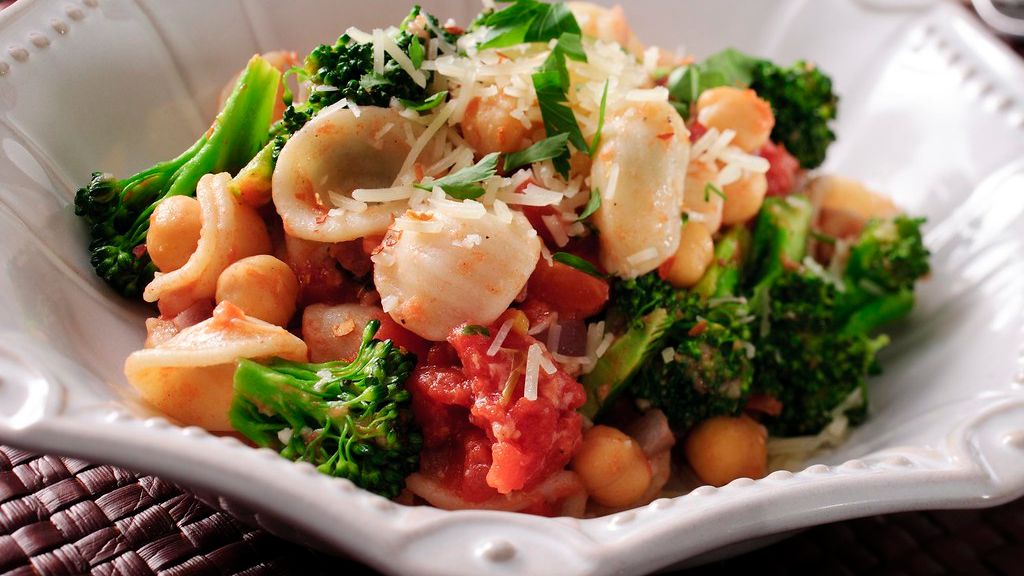

The American food scene is shifting fast. What was on the menu three years ago looks almost unrecognizable compared to what’s landing on plates today. From gut health obsessions to the unstoppable rise of global flavors, the way Americans eat, order, and think about food has entered a genuinely exciting new chapter. Let’s dive in.
1. Plant-Based Foods Are Officially Mainstream

There was a time when a veggie burger felt like a consolation prize. Not anymore. In 2024, the plant-based food market reached $8.1 billion, signaling just how mainstream alternative dining has become. That’s not a niche number. That’s a full-blown industry.
Restaurants are expanding their menus well beyond basic veggie burgers to include globally inspired dishes, plant-based proteins, and creative vegetable-forward entrees, driven by health-conscious consumers and sustainability-focused diners pushing operators to innovate with both flavor and presentation.
In 2025, plant-based food trends are being shaped by flexitarian consumers and health-focused buyers, not dietary ideology, with global brands responding by building products around taste, nutrition, and convenience. Honestly, that shift makes all the difference. It’s no longer about what you’re giving up. It’s about what you’re gaining.
2. Global Flavors Are Rewriting the American Menu
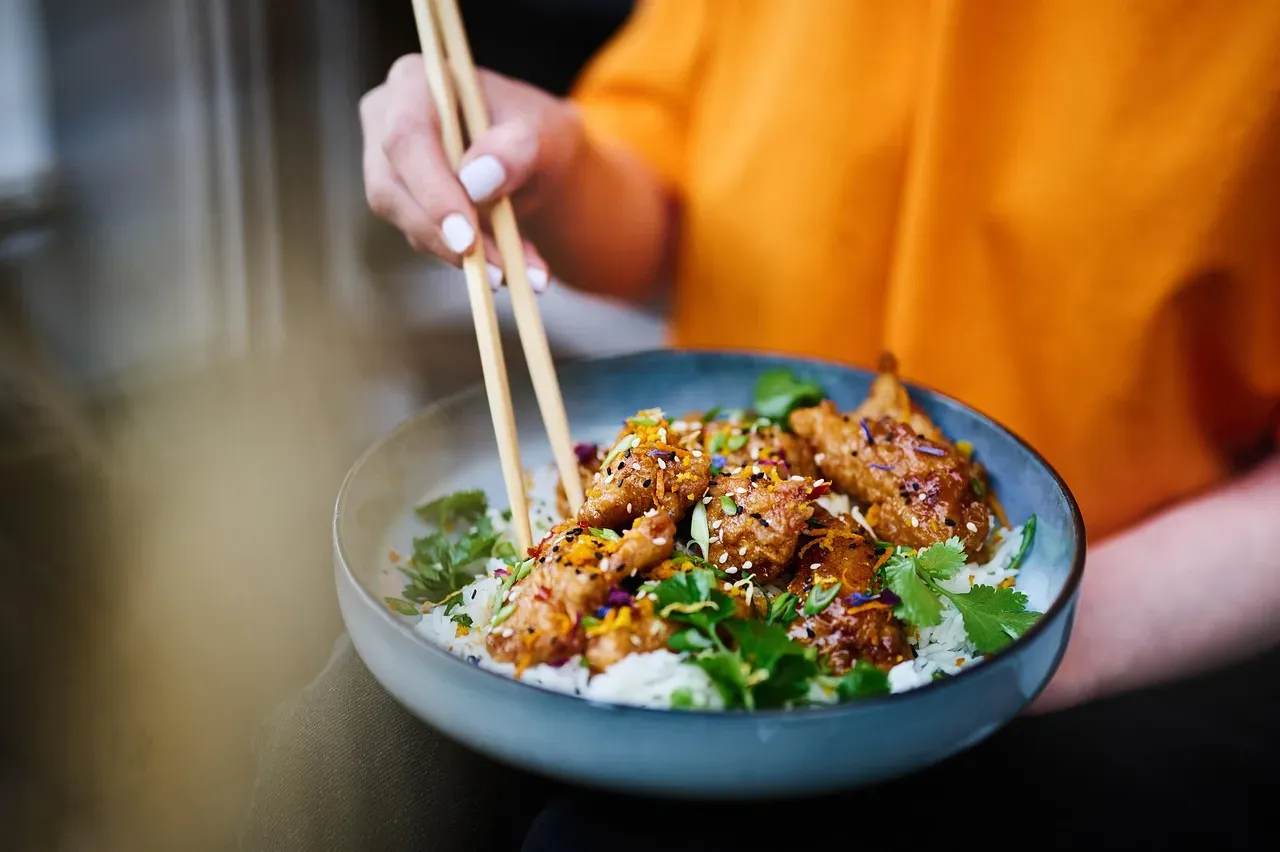
American cuisine has always borrowed from other cultures, but right now, the borrowing is happening faster and more boldly than ever. Research from Datassential shows that roughly three in five consumers want restaurants to offer more international flavors, including Korean, regional Mexican, and Middle Eastern dishes. That’s a massive signal for operators who are still playing it safe.
Chefs are drawing from professional experience and personal backgrounds to create dishes that combine elements from one or two cuisines at a time, with combinations like Vietnamese-Cajun, Mexican-Mediterranean, and Jewish deli-Cuban mashups now appearing on menus across the country.
Asian cuisine is a major growth area, with increasing demand for flavors, ingredients, and dishes from Korea, Vietnam, and the Philippines. The increased interest is attributed largely to younger consumers who follow Korean culture broadly and appreciate a diverse range of restaurants incorporating authentic flavors ranging from fast-food fried chicken to communal barbecue to high-end fine dining. It’s a cultural moment as much as a culinary one.
3. Fermented Foods and Gut Health Are Having a Big Moment
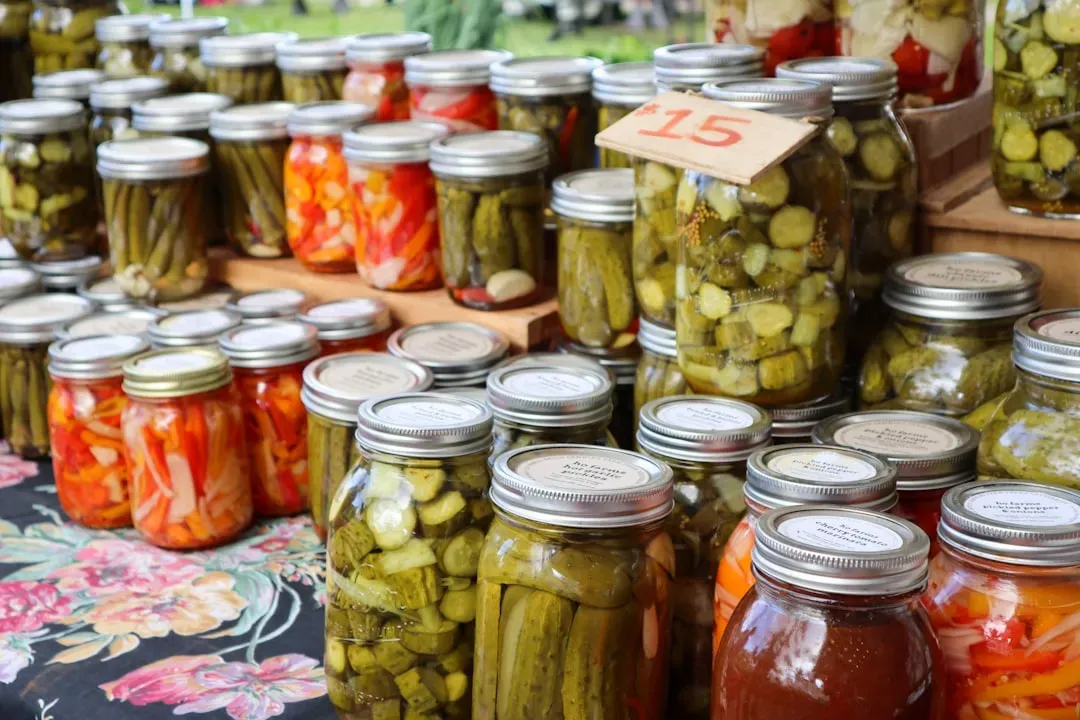
Here’s the thing: people are now thinking about what their food does inside them, not just how it tastes going down. Fermented foods like kimchi, kombucha, and fermented hot sauces have surged in popularity, driven by growing consumer interest in gut health and probiotics. Research published in the journal Nature Medicine has linked probiotic-rich foods to improved microbiome diversity, which has helped bring these products from health food stores into everyday American kitchens and restaurant menus.
The market for wellness-focused foods and beverages, particularly those related to gut health and targeted nutrition, is experiencing significant growth, with the global kombucha market alone projected to reach $9.09 billion by 2030, growing at an annual rate of 13.5% between 2025 and 2030.
Korean foods include ingredients and condiments that fall within categories also garnering attention, such as fermented foods like kimchi that appeal to both gut health and taste, and sauces incorporating global flavors and heat. Think of kombucha as the gateway drug. Once people try it, they start reaching for miso, kefir, and fermented chili pastes without even thinking twice.
4. Regional American Cuisines Are Getting Their Long-Overdue Spotlight

For years, “American food” meant burgers and fries. That lazy shorthand is finally being challenged. Data from Yelp shows growing searches for regional dishes like Nashville hot chicken, Cajun food, and Detroit-style pizza in recent years, reflecting a real consumer hunger to discover what makes each corner of this country taste different.
The South is celebrated for its rich culinary heritage that embraces bold flavors and comforting dishes, with recent years seeing a resurgence in traditional Southern cuisine infused with contemporary elements, as chefs revamp classics like fried chicken and gumbo by adding unexpected twists such as global spices or plant-based ingredients.
According to research firm Datassential, Mexican cuisine remains the go-to for comfort foods in the U.S., especially among Gen Zers and millennials, with birria tacos growing an extraordinary 139% on menus between September 2022 and 2023. Regional and hyperlocal is the new gourmet. A bowl of proper Cajun gumbo or a slice of Detroit deep-dish can feel just as revelatory as a tasting menu.
5. Health-Conscious Eating Is Driving Menu Innovation
A 2023 survey by the International Food Information Council found that roughly half of Americans said they followed a specific diet or eating pattern, including high-protein or low-carb diets. That’s not a passing fad. That’s a structural shift in how Americans relate to food, and restaurants are scrambling to keep up.
In a March 2024 survey of 3,000 U.S. adults, when responses were segmented by generation, the primary health benefits that Gen Z, Millennials, and Gen X sought from food was energy and less fatigue, while Baby Boomers sought healthy aging.
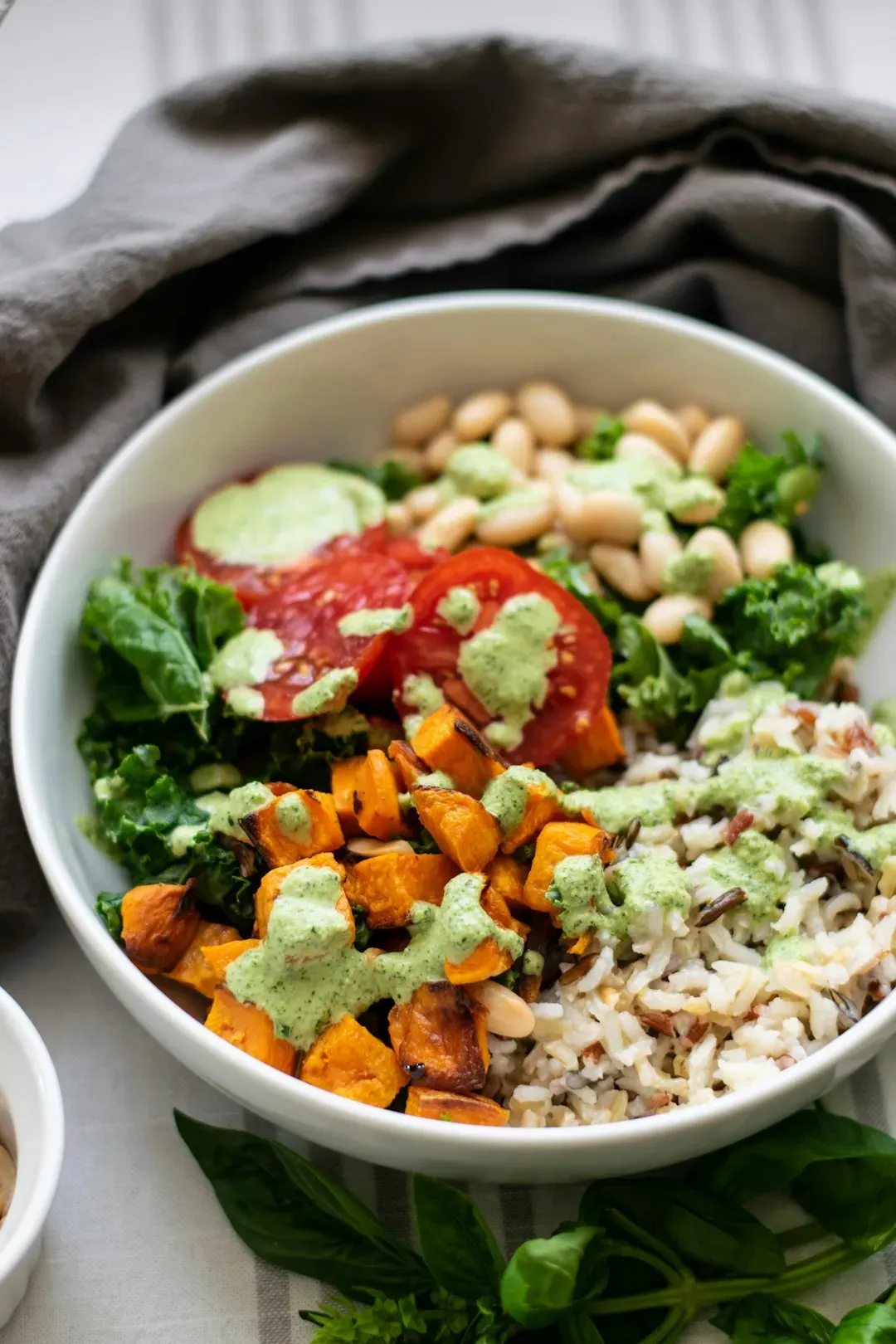
Increasing numbers of medical and culinary professionals are realizing that healthy diets can prevent, manage, and treat various diseases, with culinary nutrition as a discipline becoming widely recognized in the healthcare sector. The result is a wave of menus that feel less like indulgence and more like intention. High-protein grain bowls, low-carb cauliflower substitutes, and anti-inflammatory ingredients are no longer relegated to specialty cafes. They’re everywhere now.
6. Sustainability Is Reshaping What Americans Order and Expect

Consumers are voting with their forks. A 2024 report by Deloitte found that more than half of consumers say sustainability influences their food purchasing decisions. That number isn’t going down. If anything, it’s accelerating, particularly among younger diners who grew up hearing about climate change and supply chains.
There is a growing demand for ethical, fair-trade, locally sourced, and organic products, with consumers also highly interested in sustainable packaging and the environmental impact of their food choices, and roughly more than half willing to pay more for sustainable options.
al Restaurant Association projected U.S. restaurant industry sales to reach approximately $1.1 trillion in 2024, a figure that reflects not just appetite but also the enormous opportunity for operators to lead on sustainability. The Specialty Food Association expects brands and industries to increasingly address sustainability, carbon footprint, food waste concerns, and regenerative agriculture as core business priorities, not afterthoughts. Sustainability is no longer a bonus feature. For a growing segment of American diners, it’s a baseline requirement. And the restaurants that treat it that way are the ones winning right now.
What do these six trends tell us together? That American food culture is in a genuinely thrilling period of reinvention. The old divisions between “healthy” and “delicious,” between “American” and “international,” and between “traditional” and “innovative” are dissolving fast. The table has never been more interesting. What trend are you most excited to dig into? Tell us in the comments.