

There is something uncomfortable about realizing that much of what you believed about money and retirement might be flat-out wrong. Not a little off. Completely wrong. And the older you get, the more expensive those misconceptions become.
Millions of Americans in their 40s, 50s, and early 60s are still operating on financial assumptions that made sense decades ago, or maybe never made sense at all. Some of these myths feel reassuring. Some feel logical. Nearly all of them can quietly derail a retirement plan. Let’s dive in.
Myth 1: Social Security Will Cover Most of My Retirement Expenses

This is probably the most dangerous myth on this list, and honestly, it is one that keeps financial planners up at night. The belief that Social Security will “take care of things” is deeply embedded in American culture, especially for people who watched their parents retire fairly comfortably in the 1980s and 1990s. That world is gone.
Social Security is designed to provide some financial support when you retire, but on its own, it won’t allow you to maintain the standard of living you had while working. The “replacement rate” is around 40 percent for the average earner. That means if you were making $70,000 a year before retirement, Social Security might hand you roughly $28,000 annually. Think about what that actually covers today.
The average annual Social Security benefit for all retired workers in 2024 was $23,712 a year, working out to $1,976 per month. That sum can be helpful in meeting some expenses, but it doesn’t leave much room for extras. The gap between what Social Security pays and what most people actually need is real, substantial, and growing. If you’re over 40, close that gap now, not later.
Myth 2: I Have Enough Time to Start Saving Seriously Later

Here’s the thing – every single year you delay costs you more than you think. It isn’t just the money you’re not saving. It’s the compounding growth you’re permanently walking away from. Think of compound interest like a snowball rolling downhill. The sooner it starts rolling, the bigger it gets. Start it at 50 and you’re basically rolling a tennis ball down a short slope.
People starting at age 40 would need to save $1,547 per month, and if they postpone saving to age 50, they would need to invest $3,958 per month to reach a comfortable retirement target. Those are real numbers, and they should feel sobering. Still, it is not hopeless.
About three in five American workers say their retirement savings are behind where they should be, with more than a third saying they are significantly behind. The point is not to feel bad about that. The point is to stop believing that “later” is still a viable option. Later has a price tag, and it keeps going up.
Myth 3: Medicare Will Handle My Healthcare Costs in Retirement

Medicare is a lifeline, no question about it. But treating it like a complete safety net for your healthcare costs in retirement is a financial mistake that can be genuinely devastating. Medicare covers a lot, but the gaps are wide and expensive, and most people have no idea how wide until they are actually retired and the bills start arriving.
According to Fidelity’s 2024 Retiree Health Care Cost Estimate, a 65-year-old retiring that year can expect to spend an average of $165,000 in health care and medical expenses throughout retirement, up nearly 5% over 2023 and more than doubled from its inaugural estimate in 2002. That figure is for a single person. Couples face even steeper totals.
Recent Fidelity research revealed that the average American estimated spending about $75,000 on health expenses in retirement – less than half of Fidelity’s actual calculation. That gap between perception and reality is shocking. While general inflation typically runs around 3% annually, healthcare costs consistently rise 5% to 6% each year, meaning healthcare inflation outpaces general inflation by 1.5 to 2 times, creating a compounding effect that can devastate unprepared retirees’ budgets. Plan accordingly, or pay dearly.
Myth 4: Claiming Social Security Early Is Always the Smart Move

It is tempting. You hit 62, you’ve been working hard for decades, and the government starts sending you a check. Why wait? For some people in certain health situations, claiming early actually does make sense. However, for a large portion of Americans over 40 today, claiming at 62 is a decision that quietly shrinks their income for the rest of their lives.
For each year a person postpones claiming benefits after full retirement age, up to age 70, the benefits can grow by roughly 8% annually. This delayed retirement credit acts like guaranteed growth, boosting future monthly income. That is an extraordinary, risk-free return that almost nothing else in the financial world can match.
Delaying benefits can provide larger lifetime benefits if you live past the break-even point, often 12 to 14 years after your full retirement age. Given that life expectancy continues to creep upward, many Americans will live well into their mid-80s or beyond. According to research from the American College of Financial Services, a healthy man has nearly a 50% chance of living to age 90, and for women, that likelihood rises to about 59%. In that context, waiting to claim starts to look a lot smarter.
Myth 5: Carrying Debt Into Retirement Is Just Normal and Fine

Let’s be real – a whole generation has been quietly normalized into thinking that carrying mortgage debt, credit card balances, and even auto loans into their 50s and 60s is just part of adult life. And in one sense, yes, it is common. Common does not mean harmless. Common definitely does not mean fine.
Debt that follows you into retirement does not just drain your monthly cash flow. It eats directly into fixed income during a period in life when recovering financially from setbacks is nearly impossible. A medical emergency, a market downturn, or even a car repair can spiral into a genuine crisis for someone carrying high-interest debt on a fixed Social Security income.
Longer lives and lower savings are fueling a retirement security crisis for millions of Americans, worsened by inflation, rising health care costs, and the fact that someone turning age 65 today has almost a 70% chance of needing some type of long-term care services. Adding debt payments into that picture makes a tough situation significantly worse. The goal entering your 60s should be as little debt as possible, period.
Myth 6: Investing Is Too Risky After 40, So I Should Play It Safe
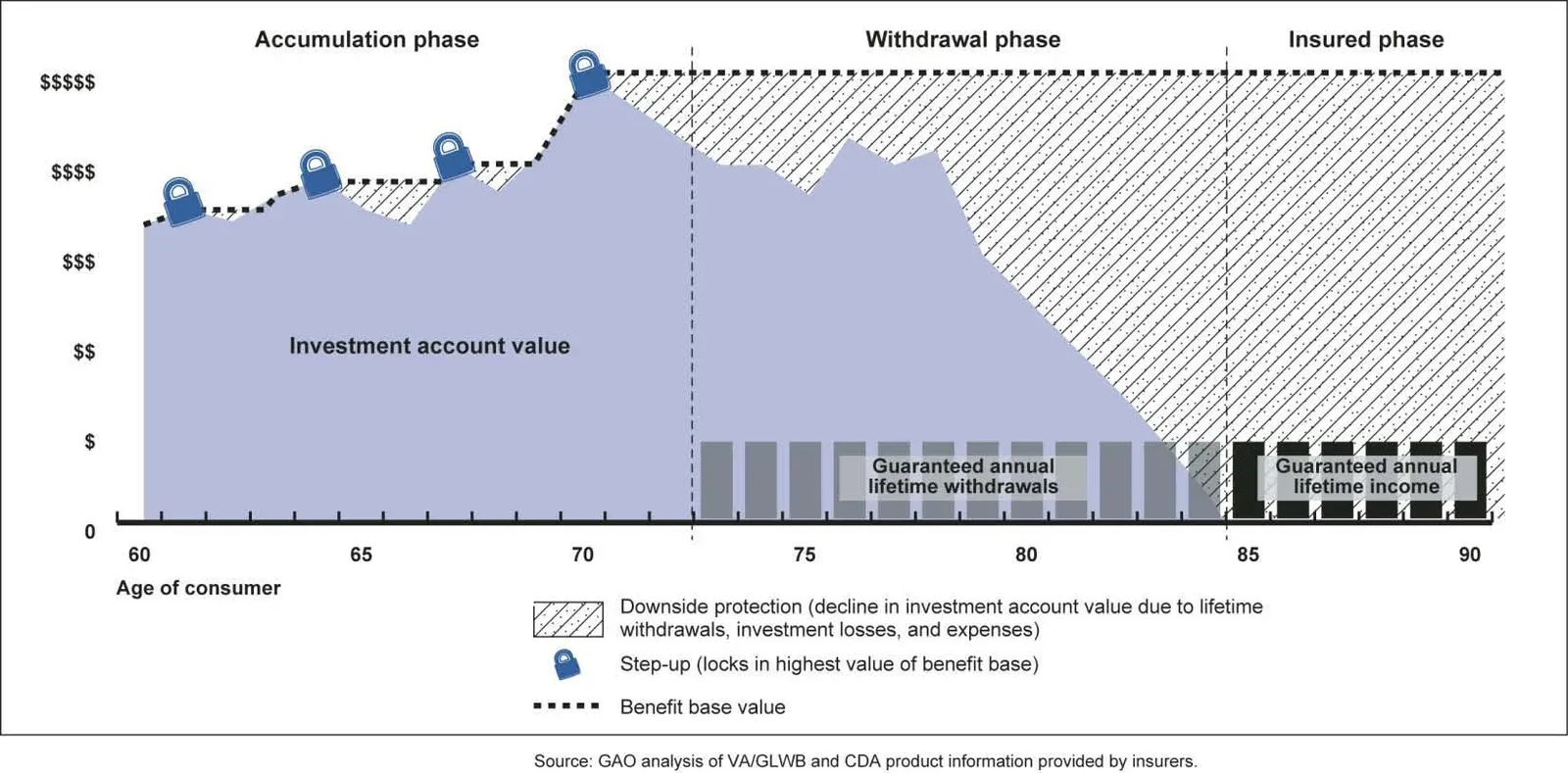
This one is understandable. After watching a few market downturns, it is natural to want to move everything into something that feels “safe,” like cash or bonds. The fear is real. The instinct is human. The problem is that playing it too safe carries its own silent risk, one that rarely gets headlines: outliving your money.
More than half of Americans believe outliving their life savings is a real possibility, and the vast majority are living with financial anxiety. Ironically, the “safe” strategy of parking money in low-yield accounts often accelerates this risk. Inflation does not stop just because you’re nervous about the stock market. It keeps chipping away at purchasing power year after year.
Long-term investing in diversified portfolios has historically been one of the most reliable ways to outpace inflation, which has averaged around 3% annually over long periods. Nearly 51% of Americans worry that they will run out of money when they are no longer earning a paycheck, and 70% of retirees wish they had started saving earlier. Those regrets are a roadmap. The data consistently shows that staying invested in a diversified, age-appropriate portfolio across decades gives retirement savings the best chance of lasting as long as you do.
The Bottom Line

These six myths are not just harmless misconceptions. They are financially costly beliefs that cost real people real money, often at the worst possible time in their lives. The good news is that awareness is the first step. You can’t fix a plan built on bad assumptions until you’re willing to question those assumptions.
Nearly a third of retirees are considering going back to work because their savings aren’t enough to cover their expenses. That number does not have to grow. Whether you’re 42 or 59, the decisions you make in the next few years about savings, debt, Social Security strategy, and investment risk will shape decades of your life.
The myths feel comfortable. The truth, though, is a lot more useful. What financial assumption have you been holding onto that might be worth questioning? It might be time to find out.