
You walk past someone’s garage and notice a faint hum, maybe a flicker of light. Inside, they’re not working on their car or organizing tools. They’re polishing rocks. Serious rocks. Ones they’ve tumbled for weeks. Welcome to America’s new hobby scene, where people are swapping screens for something far more hands-on. These aren’t your typical weekend pastimes.
The global tabletop miniatures game market reached over two billion dollars in 2024, with steady growth expected through 2033. A North Carolina study found that fermented foods like kombucha and kimchi have experienced a huge surge in popularity in recent years. Honestly, there’s a shift happening. More Americans are ditching passive entertainment for hobbies that demand patience, creativity, and real skill. Let’s dive in.
Rock Tumbling Is Making a Serious Comeback

Rock tumbling remains a popular hobby today, with companies innovating for over 50 years. People across the country are rediscovering this meditative pastime that turns rough stones into polished gems. Search data shows interest in rock polishing kits climbed substantially in 2024, proving this isn’t just a passing trend.
What’s driving the resurgence? Social media played a surprising role. Videos showcasing rock tumbling transformations rack up thousands of views on platforms like TikTok, with hashtags like #rocktumbler and #rocktok gaining traction. There’s something deeply satisfying about watching an ordinary pebble transform into something beautiful after weeks of patient tumbling. The hobby appeals to geology enthusiasts, but also to people who just want to create something tangible in a digital world.
The equipment isn’t prohibitively expensive either. Entry-level tumblers with everything needed to start cost less than many video games. Plus, you can collect your own raw stones during hikes, adding an outdoor adventure element to the whole experience. It’s hands-on, it’s rewarding, and honestly, it connects people to nature in a way that feels increasingly rare.
Fermenting Foods at Home Has Gone Mainstream

Kitchen counters nationwide now feature bubbling jars of kimchi, kombucha, and sauerkraut. Fermented foods like kombucha and kimchi are seeing a surge in popularity due to their potential to support gut health and their rich probiotic content. Google search interest for “how to ferment vegetables” jumped significantly over the past two years, reflecting America’s growing fascination with DIY fermentation.
The appeal goes beyond health benefits. There’s an artisan quality to fermenting your own foods. Research shows that lactobacillus organisms in fermented foods help exclude harmful bacteria and benefit gut health. You control the ingredients, the fermentation time, and ultimately the flavor profile. Some enthusiasts experiment with different vegetable combinations or tea varieties, creating unique taste experiences you simply can’t buy at the store.
The global fermented food market was valued at 50 billion dollars in 2024, projected to reach 85 billion by 2032. Workshops and online tutorials make the process accessible to beginners. You don’t need fancy equipment, just jars, salt, water, and patience. The wait is part of the charm. Watching your cabbage transform into tangy kimchi over days feels like a small act of kitchen magic.
Urban Beekeeping Is Buzzing in Cities
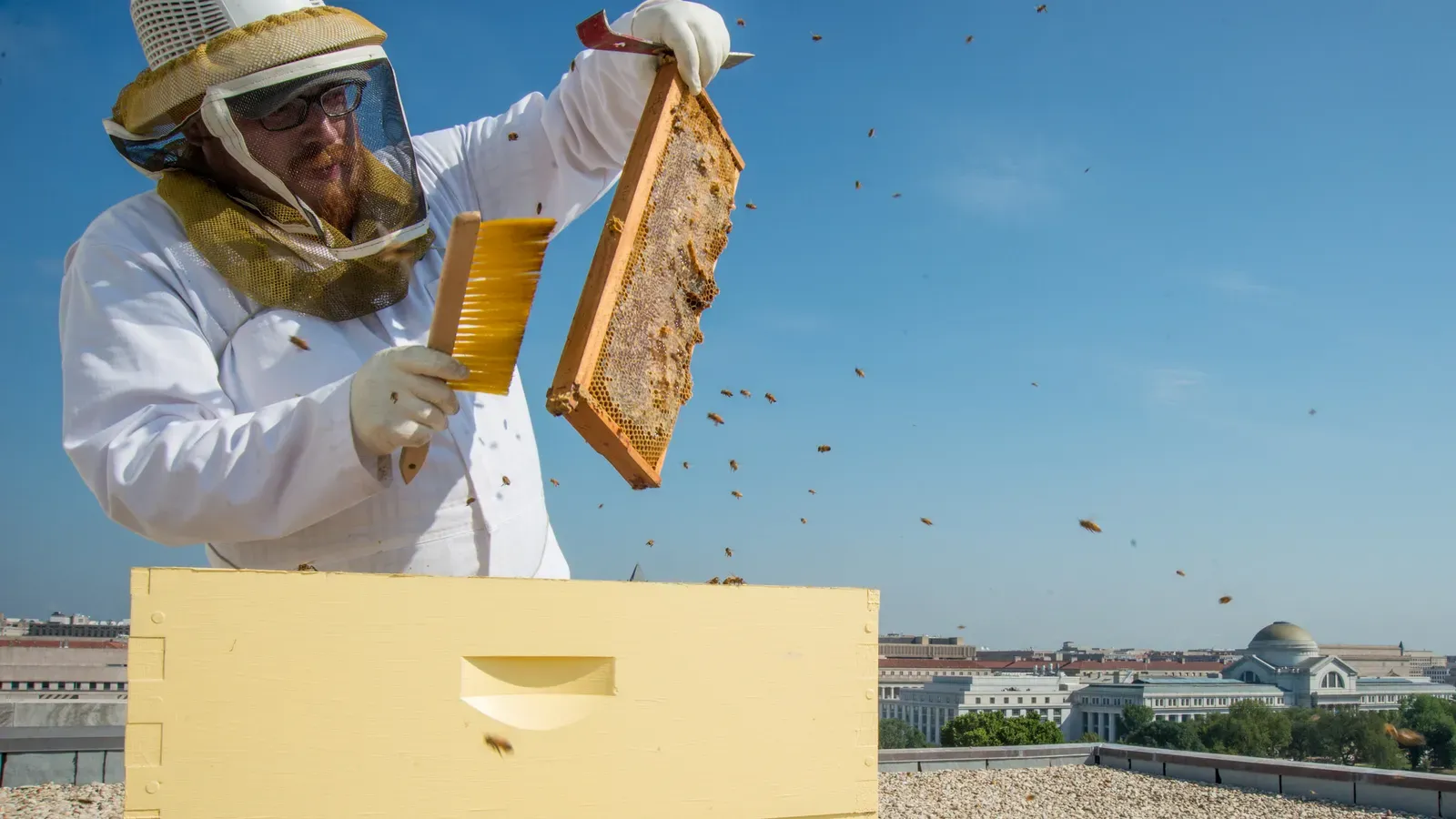
Rooftops and backyards in cities like Austin and Minneapolis now hum with activity. Cities like Austin and Minneapolis shine for their urban agriculture initiatives, with Minneapolis embracing beekeeping-friendly policies. In 2025, beekeeping permits in these urban areas increased significantly, driven by sustainability movements and rooftop hive programs.
Why the sudden urban interest? People want to help pollinators while producing their own honey. Minneapolis states that keeping bees helps home gardens and the surrounding ecosystem thrive, as pollinator populations are in sharp decline due to habitat loss and pesticide use. Cities are making it easier with streamlined permit processes and supportive ordinances. Several cities including Austin and Minneapolis require beekeepers to participate in local swarm collection networks.
Local beekeeping associations provide training and mentorship to newcomers. You learn hive management, seasonal care, and harvesting techniques. The urban environment actually offers diverse forage from community gardens and flowering trees. It’s remarkable watching these tiny creatures work while knowing you’re contributing to environmental health. Plus, there’s nothing quite like tasting honey from your own rooftop hive.
Miniature Painting for Tabletop Games Explodes
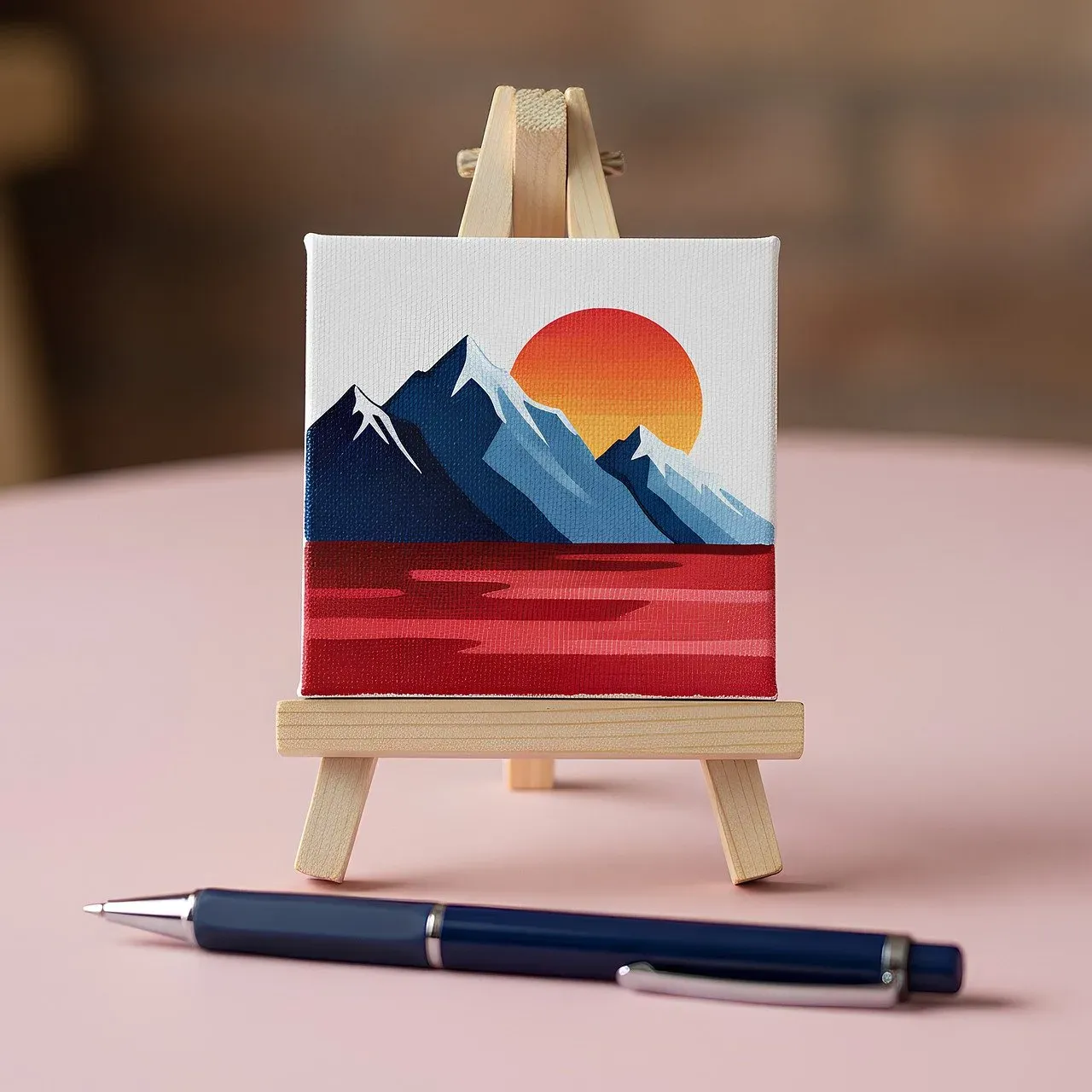
Dining room tables across America are transforming into miniature art studios. Searches for “miniature painting for beginners” doubled in 2024 as tabletop gaming communities grew exponentially. More hobbyists share tutorials online, making the craft increasingly accessible to curious newcomers.
The growing popularity of painting and customization has spurred demand for high-quality brushes, paints, and hobby tools, with many publishers offering branded kits and instructional content. The hobby attracts strategic gamers, but also people who enjoy the meditative quality of detailed brushwork. Painting a single miniature can take hours, requiring focus and steady hands.
Online communities play a huge role. Platforms like YouTube, Instagram, and Twitch are filled with tutorials and live streams by seasoned miniature painters, offering step-by-step guidance on techniques like shading and dry brushing. Beginners quickly discover they don’t need expensive supplies to start. Basic acrylic paints and a few brushes get you going. The real investment is patience. Watching your unpainted figure transform into a character with depth and personality is genuinely addictive. There’s pride in seeing your painted army assembled on the game table.
Blacksmithing Workshops Are Selling Out Instantly
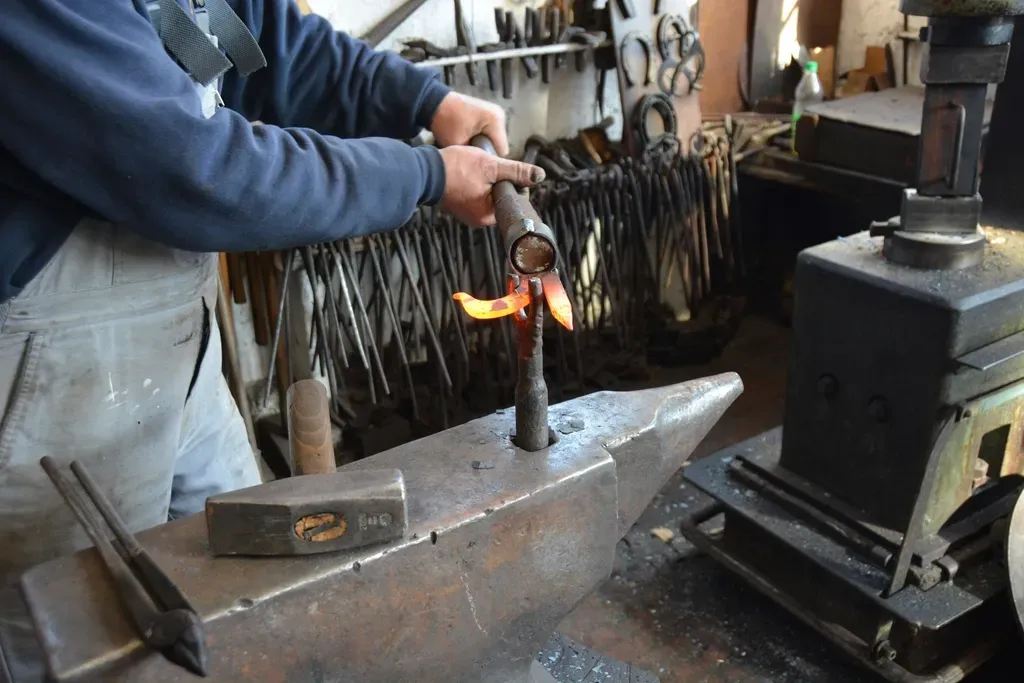
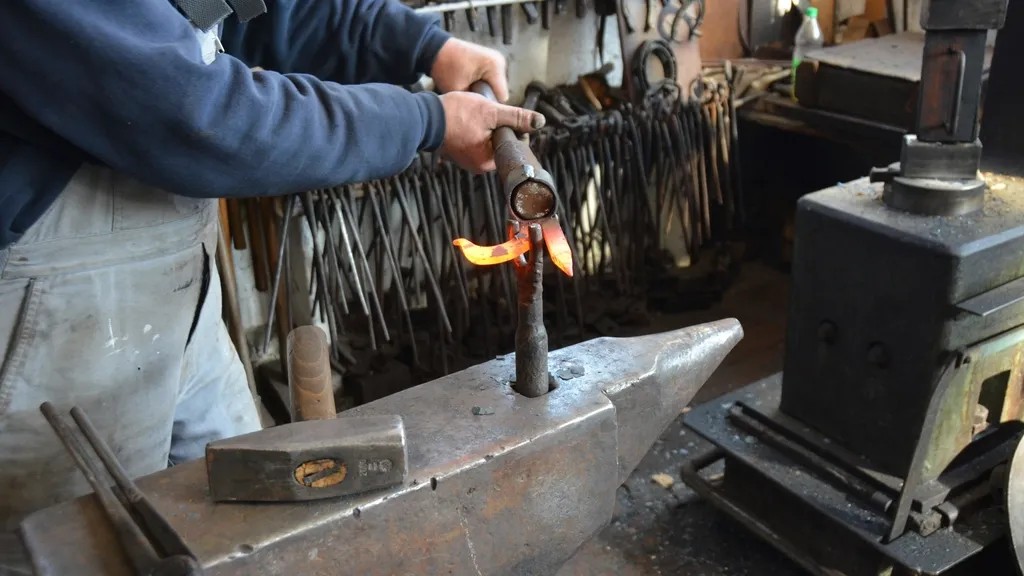
Sparks fly in workshops from coast to coast as Americans rediscover the ancient craft of blacksmithing. Community centers reported a rise in blacksmithing workshop enrollments, with classes selling out within hours of registration in 2024. The popularity surge caught even seasoned instructors by surprise.
Blacksmithing is incredibly popular, with the rise of TV shows like Forged in Fire showing everyone just how cool it can be beating a flaming hot piece into something new. Television exposure sparked interest, but the real draw is the primal satisfaction of shaping hot metal. There’s something deeply human about taking raw steel and hammering it into a functional object. You leave each session with tangible proof of your efforts, whether it’s a hook, knife, or decorative piece.
Students in blacksmithing courses learn how to mold and shape hot metal into a variety of items, build skills to make their own tooling, and gain access to other shop tools. Many workshops cater specifically to beginners, teaching safety alongside basic techniques. The physical nature appeals to people tired of desk jobs. It’s loud, hot, and demanding, but also incredibly rewarding. You’re creating something that will outlast you.
Bonsai Cultivation Captivates New Gardeners
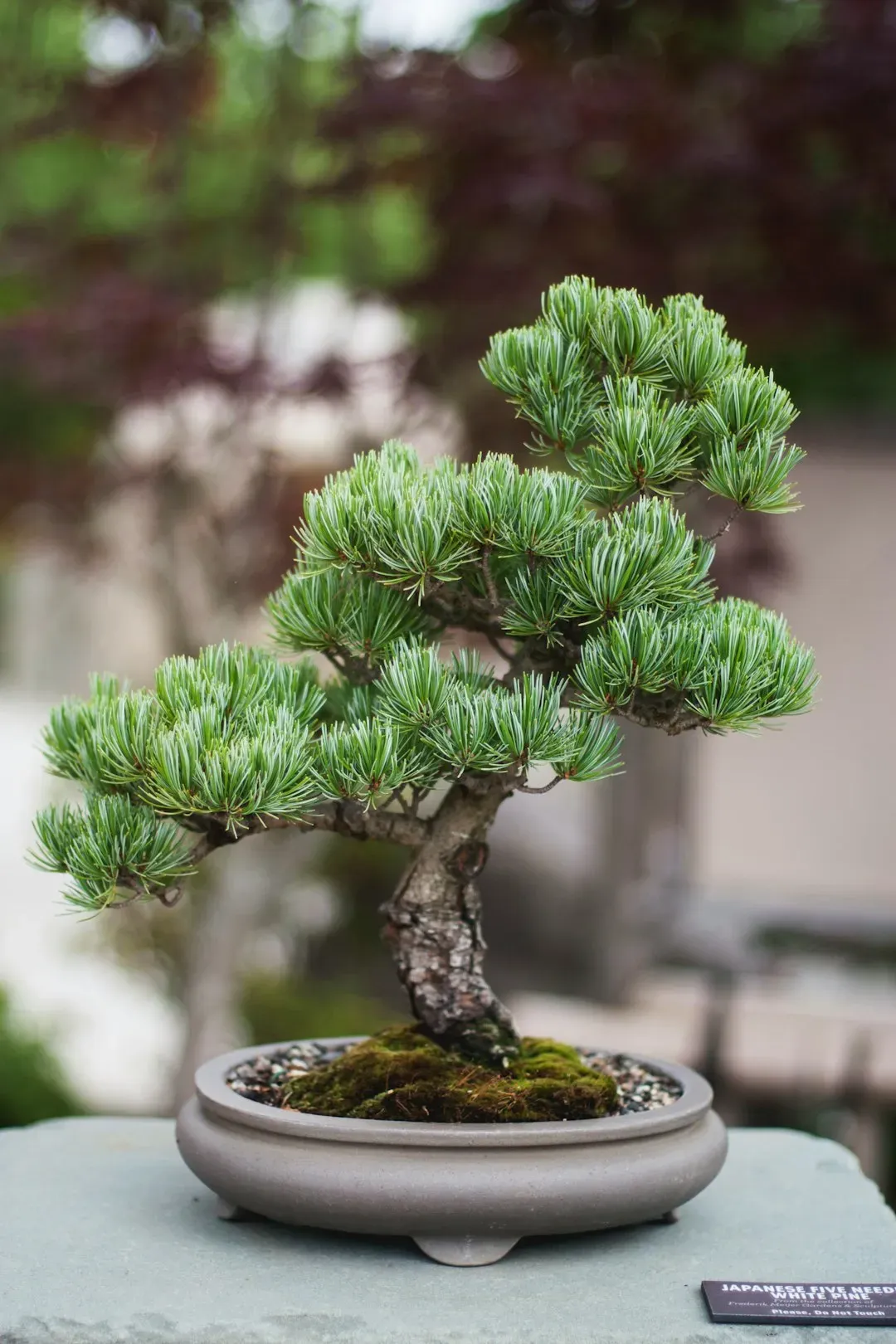
Windowsills and balconies nationwide display miniature trees shaped with painstaking care. Online hobby marketplaces reported that bonsai tree cultivation kits were among the top five fastest-selling gardening hobby items in 2024. The ancient Japanese art form is finding fresh appreciation among American enthusiasts.
The appeal is multilayered. Bonsai demands patience and attention, qualities that feel increasingly valuable in our rushed culture. You’re not just growing a plant, you’re sculpting a living work of art over years or even decades. Each careful trim and wire adjustment shapes the tree’s future form. Beginners discover that bonsai isn’t necessarily expensive or difficult to start. Many begin with inexpensive starter trees, learning basic techniques through online communities and local clubs.
According to 2024 market data, personal use of hobby activities accounts for roughly two-thirds of market revenue, driven by hobbyists investing significant time in collecting, assembling, and participating in local clubs. The hobby connects you to natural rhythms while teaching botanical knowledge. Watching your tree develop character through seasons creates a unique bond. It’s meditation with purpose, combining artistry with horticultural skill in a way that feels both ancient and modern.
What’s Driving This Hobby Renaissance?
Something fundamental shifted in how Americans spend their free time. Market research shows sustained growth in hobby gaming driven by increasing popularity, immersive storytelling experiences, and integration of advanced manufacturing technologies. A 2025 hobby survey found that roughly three out of four Americans picked up a new hobby in the past year, with unusual or specialized hobbies outpacing traditional ones in growth.
People crave tangible results from their leisure activities. After hours staring at screens, there’s genuine satisfaction in holding something you created with your own hands. These hobbies offer clear skill progression. You can see yourself improving week by week, unlike many aspects of modern life where progress feels abstract. Community plays a role too. Connecting with local groups enhances the experience through regular meetups and workshops where participants learn directly from others and share their passion.
The pandemic accelerated this trend. Stuck at home, people sought meaningful ways to fill time beyond streaming services. Many discovered hobbies that stuck. There’s also a growing rejection of disposable consumer culture. Creating, growing, or crafting something yourself feels rebellious in a world designed for instant gratification. These unusual hobbies demand patience, but that’s precisely what makes them valuable. They’re antidotes to algorithmic feeds and push notifications, offering something technology can’t replicate.
What’s your take on these emerging hobbies? Have you tried any of them, or are you curious to explore one yourself? The beauty of this hobby renaissance is that there’s something for everyone, whether you’re drawn to fire and metal or quiet contemplation with miniature trees.