

Most people walk past their neighborhood park without a second thought. A patch of grass, a few benches, maybe some swings. It feels simple, even a bit ordinary. Yet what’s actually happening inside those green boundaries is far more powerful than it looks. Parks are quietly reshaping how people feel, how communities connect, and even how cities survive a warming planet.
The research is catching up to what many of us have sensed all along. From mental health to flood resilience, the local park system you might take for granted is doing some remarkably heavy lifting. Let’s dive in.
1. Parks Are Making Access to Green Space a Real (But Still Uneven) Story
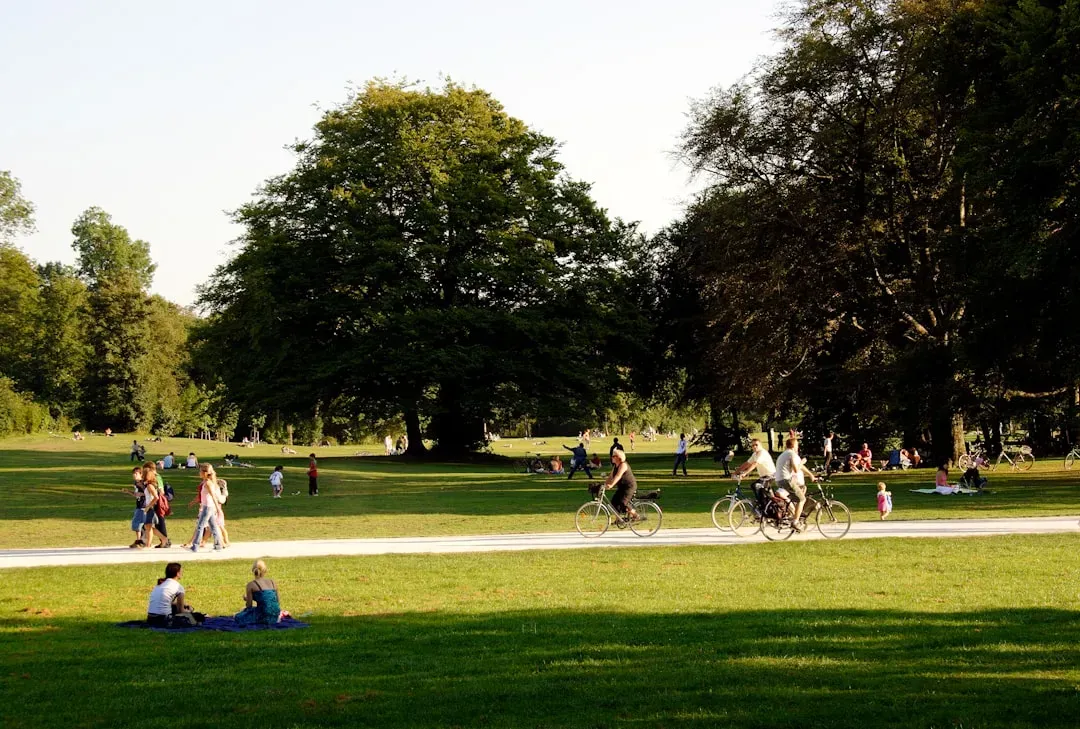
Here’s a number worth pausing on. More than three-quarters of people across the 100 most populous U.S. cities now live within a 10-minute walk of a park, up from 68 percent in 2012, the first year the Trust for Public Land started tracking this metric as part of its inaugural ParkScore index. That’s genuine progress over roughly a decade, and it reflects billions of dollars in park investment across dozens of cities.
Still, progress isn’t the same as equity. Across the country, more than 100 million people, including 28 million children, don’t have a park within a 10-minute walk of home. That gap is not randomly distributed.
According to the Trust for Public Land, in the 100 most populated cities, neighborhoods where most residents are people of color have access to an average of 44 percent less park acreage than predominantly white neighborhoods. Honestly, that’s a striking disparity for what is supposed to be shared public infrastructure. The good news is that cities and advocates are increasingly naming this problem out loud, which is usually the first step toward fixing it.
2. The Mental Health Lift Is Real and Backed by Science
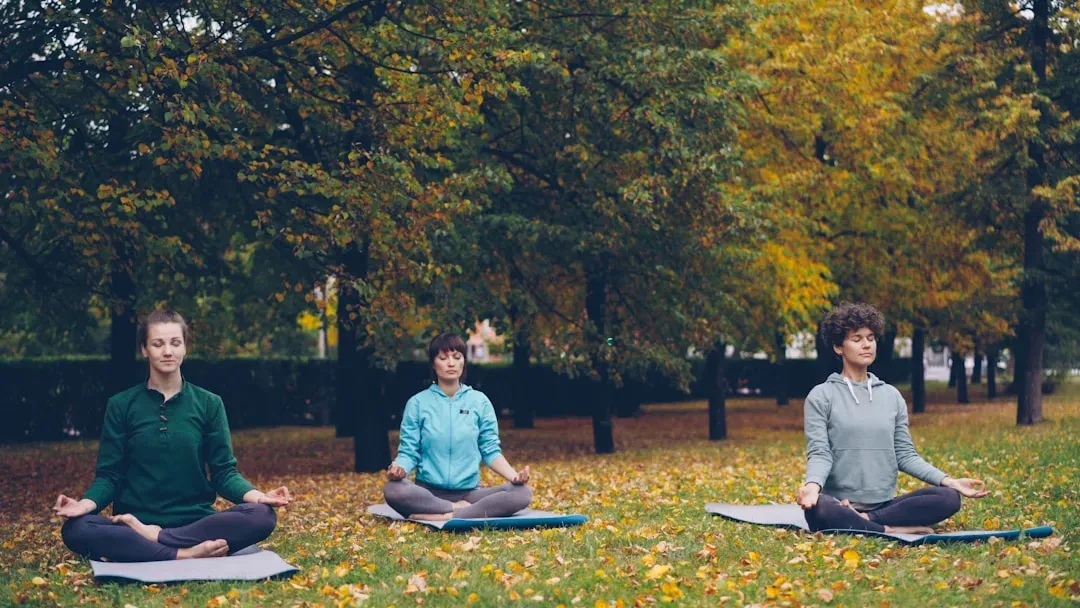
Proximity to and use of parks has been shown to contribute to positive mental health outcomes. Parks provide critical exposure to nature and green space, and this exposure has been associated with many benefits, including increased ability to cope with stress, mental fatigue recovery, reduced levels of depression and anxiety, greater self-esteem, and greater overall life satisfaction. That’s a pretty impressive list for something as accessible as a walk in your neighborhood park.
Exposure to nature, including trees and natural foliage or green spaces like parks and trail systems, has been shown to reduce feelings of anxiety and stress while improving mood and overall emotional well-being, and has also been linked to cognitive recovery and attention restoration. Think of it like a reset button for your nervous system.
Research confirms that time in green space is associated with lower rates of depression and stress, and parks offer a scalable, low-cost intervention with tangible mental health benefits. When you compare that to the cost of therapy or medication, the math becomes hard to ignore. Local parks are essentially community-scale mental health infrastructure, and they charge zero admission.
3. Physical Health Gets a Measurable Boost
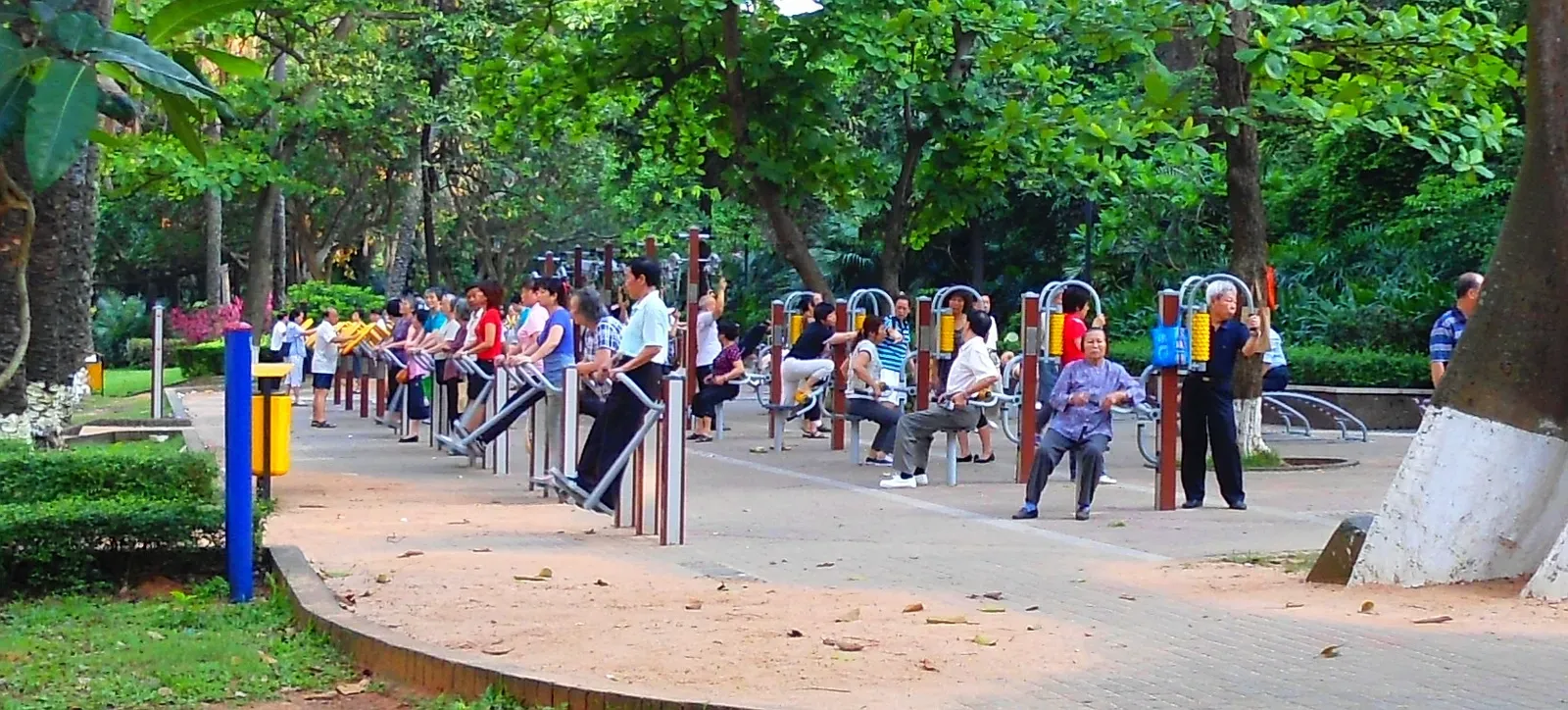
Research shows that proximity to and use of parks is associated with increased levels of physical activity and improved health outcomes. This might sound obvious, but the magnitude matters. Communities with strong park access consistently report lower rates of physical inactivity, and that ripples out into everything from cardiovascular health to diabetes risk.
Data establishes the ways parks promote greater well-being across four domains of health: physical, mental, social, and environmental. Greater physical activity, access to green spaces, and services and programming that promote better health outcomes lead to less reliance on medication, fewer trips to the hospital, and lower healthcare costs. Lower hospital trips. That’s not a soft benefit. That’s a direct savings felt by individuals and health systems alike.
The U.S. Department of Health and Human Services’ Community Preventive Services Task Force found that park, trail, and greenway infrastructure improvements, when combined with other essential activities including programming, public awareness, community engagement, and addressing access barriers, is effective at increasing physical activity and the use of parks, trails, and greenways for other health and social benefits. That’s a federal endorsement, full stop.
4. Parks Are Fighting Back Against Urban Heat
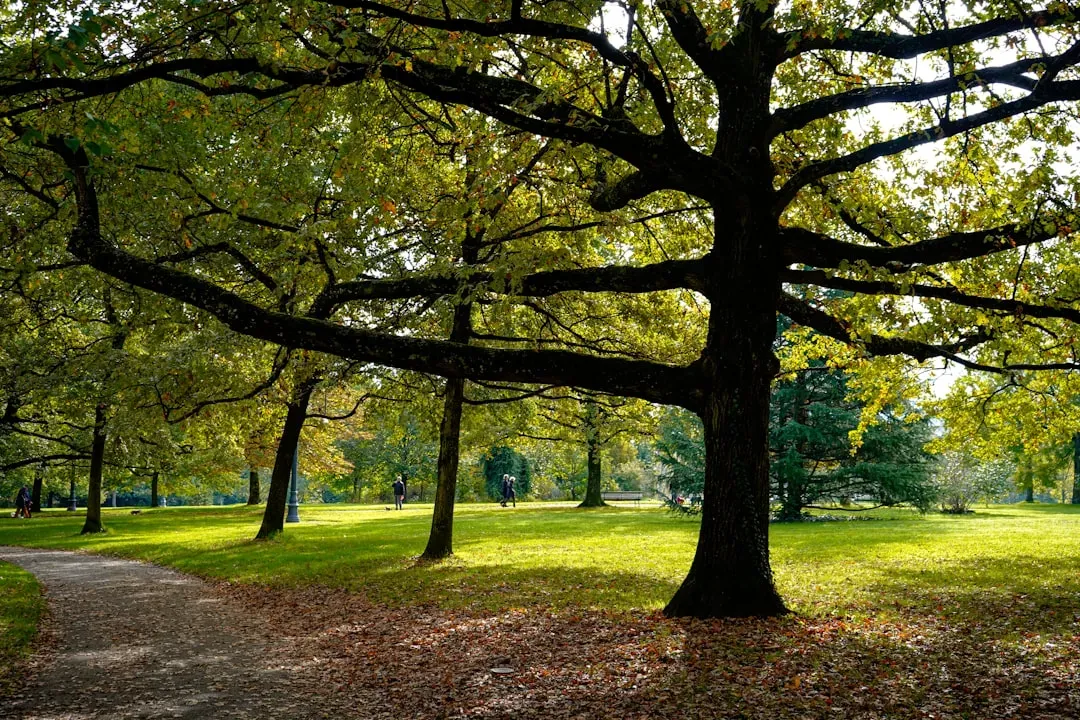
I know it sounds a bit dramatic to say your local park is battling climate change, but the evidence is genuinely compelling. As an important part of urban ecosystems, trees can effectively alleviate the urban heat island effect. Tree canopies cool and humidify through shading and evapotranspiration, regulating the urban thermal environment. In other words, that shady tree in your local park is doing climate science in real time.
Shading primarily provided by trees in parks and vegetation along streets can reduce surface temperatures by an average of 2 to 3 degrees Celsius. That might not sound huge, but during a heat wave it can be the difference between comfort and a heat-related emergency, especially for elderly residents or young children.
Research in Tacoma, Washington found that air temperature varied by 2.57 degrees Celsius on average across study areas, and the probability of daytime temperatures exceeding regulated high temperature thresholds was up to five times greater in locations with no canopy cover within 10 meters compared to those with full cover. Five times greater risk of dangerous heat in spots without tree canopy. Tree canopies help cool neighborhoods, reduce energy use, manage stormwater, improve air quality, and support biodiversity. That’s a lot of work for something you might have only noticed on a hot summer day.
5. Social Cohesion and Community Bonds Grow in Green Spaces
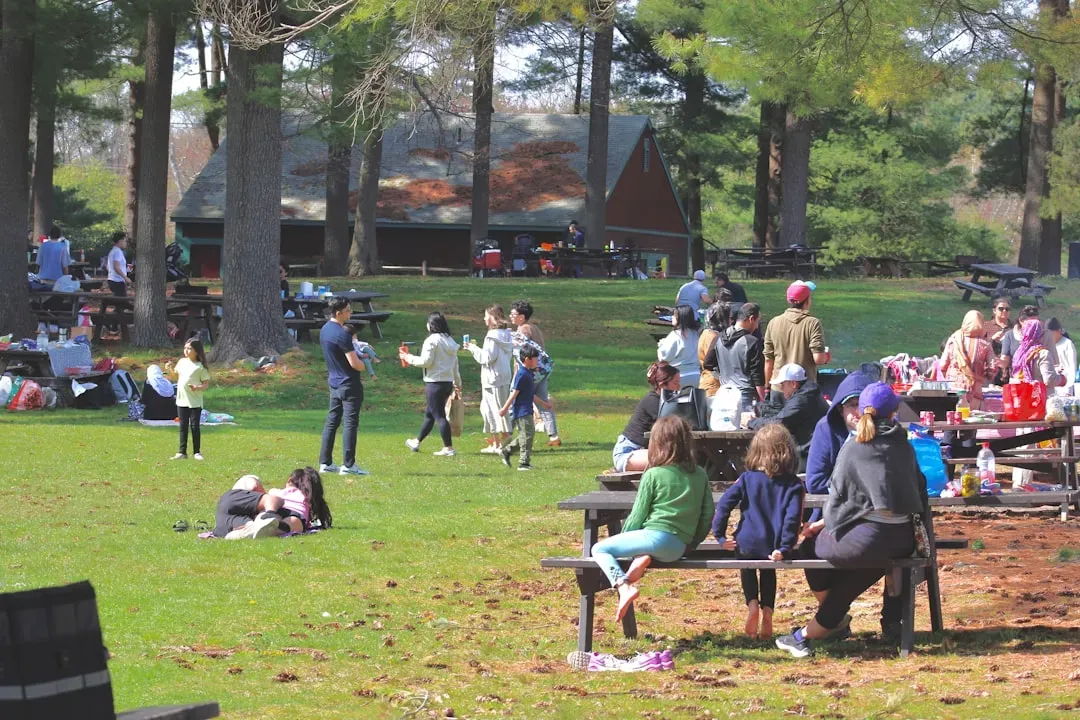
The social health benefits of parks are closely linked to mental health benefits. Parks bring people together, which fosters diverse and meaningful social interactions. These experiences improve the social health of a community by strengthening a sense of belonging, social cohesion, and comfort. Let’s be real, most of us aren’t meeting our neighbors at city hall or even at the grocery store. We’re meeting them at the park.
Parks are among the few truly democratic spaces where people of different backgrounds, cultures, ages, and more can come together without cost or prerequisite. In an era marked by political division, rising loneliness, and declining trust in institutions, parks serve as common ground, fostering the kinds of everyday connections that are essential to a more cohesive and resilient society. That framing of parks as “common ground” feels especially relevant right now.
The Trust for Public Land’s 2025 findings reveal how strong park systems are helping cities foster connection, civic trust, and well-being at a time when we need it most. You can build all the digital community platforms you want, but nothing quite replicates the spontaneous human connection that happens when two strangers share a park bench.
6. Park Investment Is a Serious Economic Engine
Here’s where the conversation often surprises people. Parks aren’t just a nice community perk. They’re a legitimate economic asset. Local park and recreation agency operating and capital expenditures across the United States generated $218 billion in economic activity and supported nearly 1.3 million jobs in 2019. That number is hard to write off as a rounding error.
Open spaces like park and recreation areas can have a positive effect on nearby residential property values, leading to higher property tax revenues for local governments that can be reinvested in a community’s green spaces. Neighborhoods with accessible, quality parks and recreation areas can promote the development of community events and local businesses, which in turn stimulate the economy of the area. It’s a reinforcing cycle. Good parks raise property values, which funds better parks.
According to NRPA’s 2023 Engagement With Parks Report, nearly nine in ten people agree that it is important to fund local park and recreation agencies to ensure every member of the community has equitable access to amenities, infrastructure, and programming. Additionally, 88 percent of people agree that parks and recreation is an important service provided by their local government. That level of public consensus is rare on almost any policy issue these days. It’s worth noticing.
Conclusion
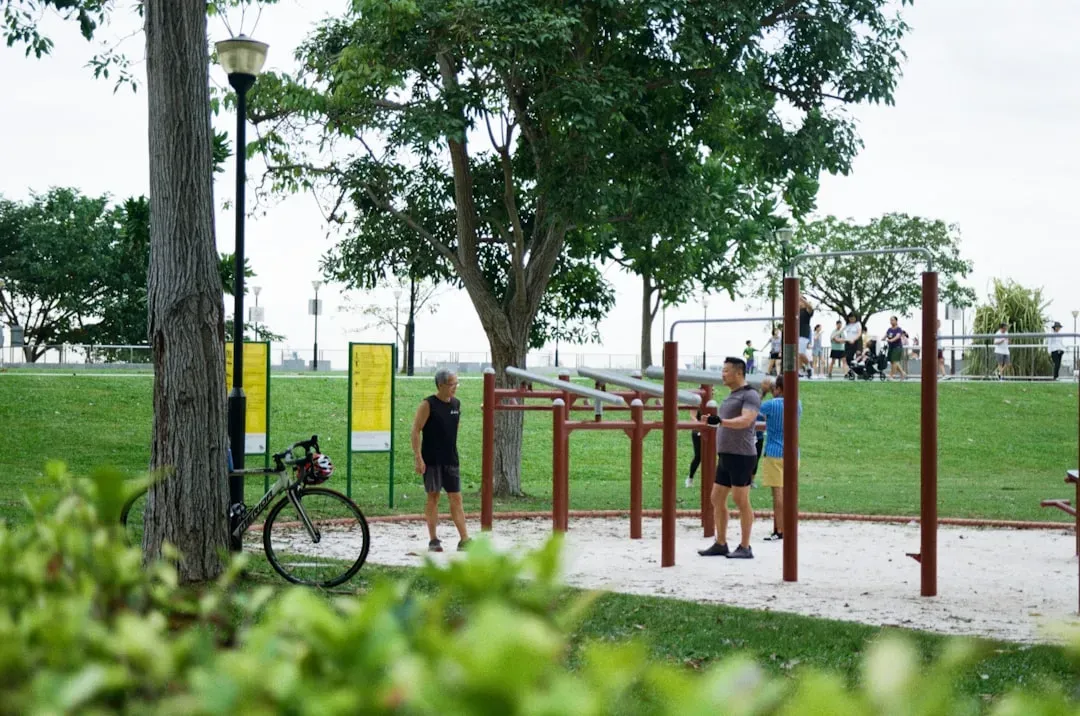
Your local park is doing far more than providing a place to eat lunch or walk the dog. It’s reducing your stress, protecting you from extreme heat, connecting you to your neighbors, boosting your neighborhood’s economic value, and nudging you toward a healthier life, often without you even realizing it.
The challenge ahead is ensuring that these benefits reach everyone equally. Access gaps along racial and income lines remain a persistent and documented problem, as the data from both the Trust for Public Land and NRPA consistently shows. Investing in parks is not just an amenity decision. It is a public health decision, a climate decision, and a social justice decision all at once.
The next time you walk past your local park, maybe slow down for a moment. Something worth protecting is happening there. What would your neighborhood look like without it? Share your thoughts in the comments below.