

Household budgets face ongoing pressure from supply chain issues, weather events, and trade policies that have kept many everyday costs elevated. Shoppers have already noticed steady climbs in several categories over the past year, and forecasts point to further movement through the end of 2026.
Beef
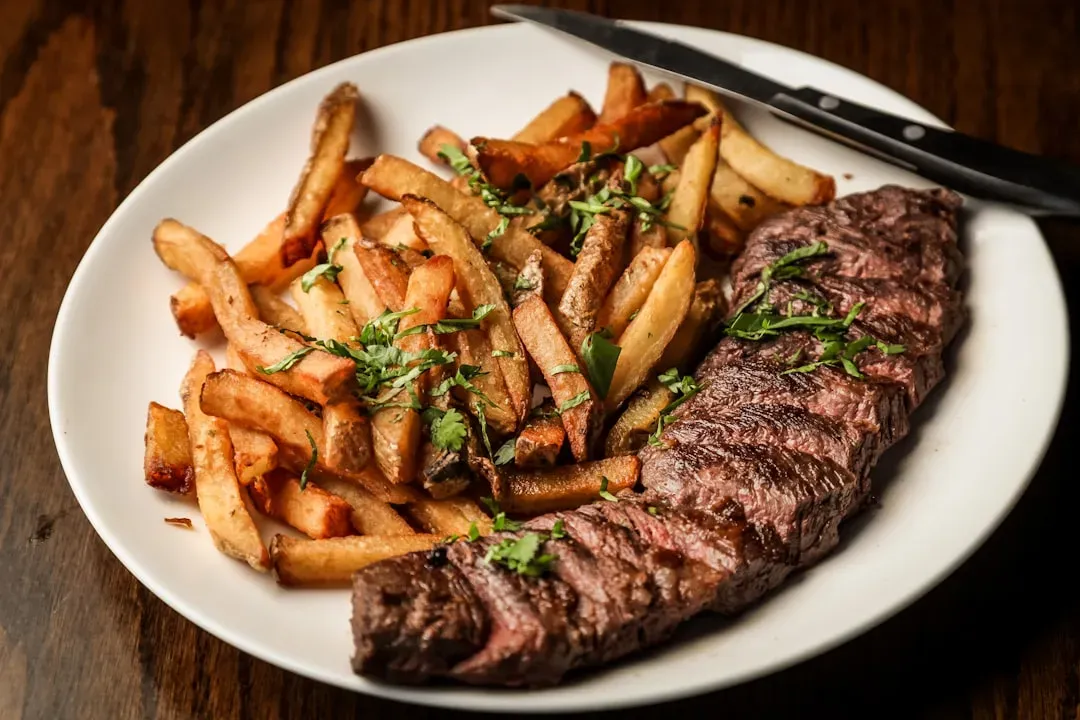
The U.S. cattle herd remains at its lowest level in decades, which has tightened supplies and pushed retail prices higher. According to the U.S. Department of Agriculture, beef and veal prices are projected to increase by roughly 5.5 percent this year on top of the double-digit gains already recorded in 2025.[1]
Strong consumer demand continues to outpace available stock, especially for ground beef and steaks that appear in many weekly meals. Tariffs on imported meat and ongoing drought conditions in key ranching regions add extra upward pressure. Families who rely on beef for protein may see the impact most clearly at the meat counter in the months ahead.
Coffee
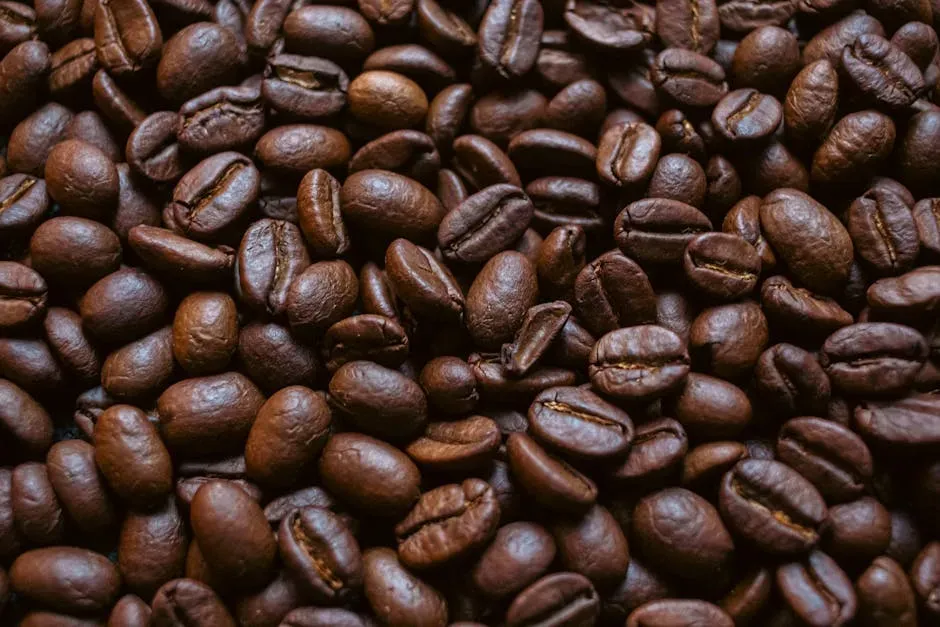
Global coffee production has struggled with extreme weather in major growing areas such as Brazil, leading to tighter bean supplies. The U.S. Department of Agriculture forecasts that nonalcoholic beverage prices, which include coffee, will rise about 5.2 percent in 2026.[2]
Recent tariff adjustments on imports from certain countries have also contributed to higher costs at the shelf. Many households brew coffee daily, so even modest percentage increases add up quickly over a year. Retailers have already begun passing along some of these costs through larger package prices and fewer promotions.
Chocolate and Candy
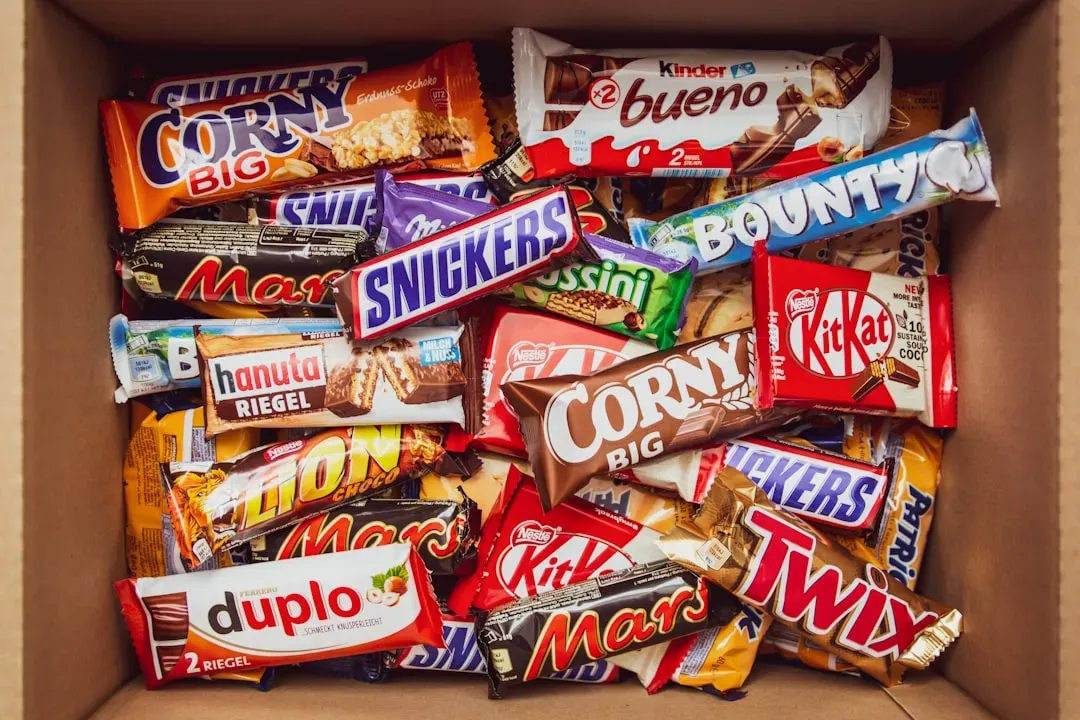
Cocoa prices have stayed elevated due to poor harvests in West Africa, the source of most of the world supply. The U.S. Department of Agriculture expects sugar and sweets prices to climb around 8 percent this year, driven largely by chocolate products.[1]
These items sit in many pantries as treats or baking staples, and the higher costs show up in both premium bars and everyday candy. Combined effects from shipping delays and rising sugar prices compound the trend. Shoppers stocking up for holidays may notice the difference sooner than expected.
Canned Goods
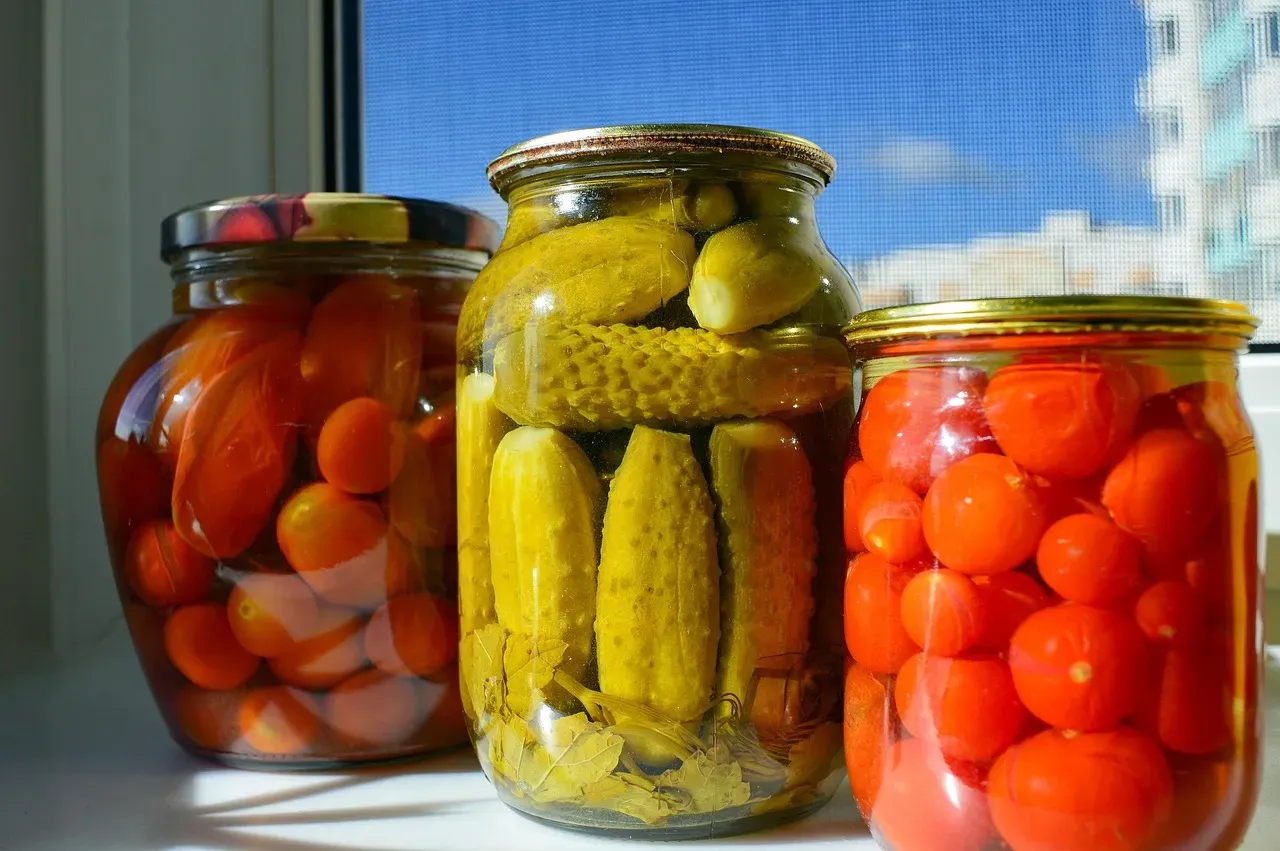
Steel and aluminum tariffs have raised the cost of metal packaging used for many canned vegetables, soups, and fruits. Industry analysts note that these expenses are passed along to consumers through gradual price adjustments at major retailers.[3]
Supply chain disruptions from earlier years still linger in some categories, keeping inventory levels tight. Canned goods remain a convenient staple for quick meals, yet their prices have moved upward more noticeably than in previous periods. Households that buy in bulk for storage may want to compare unit prices carefully this season.
Home Goods and Furniture

Retailers have already started raising prices on furniture and other durable home items ahead of expected tariff impacts. Wells Fargo analysts have warned of noticeable increases in the home goods category early in 2026.[4]
Steel and aluminum components in many pieces add to the cost pressure, while shipping rates remain higher than pre-pandemic levels. Families planning larger purchases such as sofas or dining sets may find better value by acting before further adjustments take effect. The trend affects both big-box stores and specialty outlets.
Smartphones and Electronics

Chip shortages continue to limit production of memory components used in phones and computers. Market research firms project that smartphone prices will rise by $30 to $200 depending on the model, with similar upward movement expected for laptops.[5]
Strong demand for artificial intelligence features has further strained available supply. These devices appear in most households for work, school, and entertainment, so higher prices reach a wide audience. Replacement cycles may stretch longer as consumers weigh the added expense.
Sugar and Related Baking Items

Sugar prices have climbed steadily due to weather challenges in key producing regions and higher transportation costs. The U.S. Department of Agriculture anticipates an 8 percent rise in the sugar and sweets category for 2026.[2]
Baking staples that rely on sugar, such as flour mixes and packaged desserts, often follow the same pattern. These items feature in many home kitchens for both daily use and special occasions. The cumulative effect shows up in grocery totals even when individual packages do not jump dramatically at once.
Price movements in these categories reflect a mix of global and domestic factors that show no immediate sign of easing. Tracking weekly sales and comparing unit costs can help households manage the changes without major shifts in routine. Many families have already adjusted by choosing store brands or planning meals around available stock.


