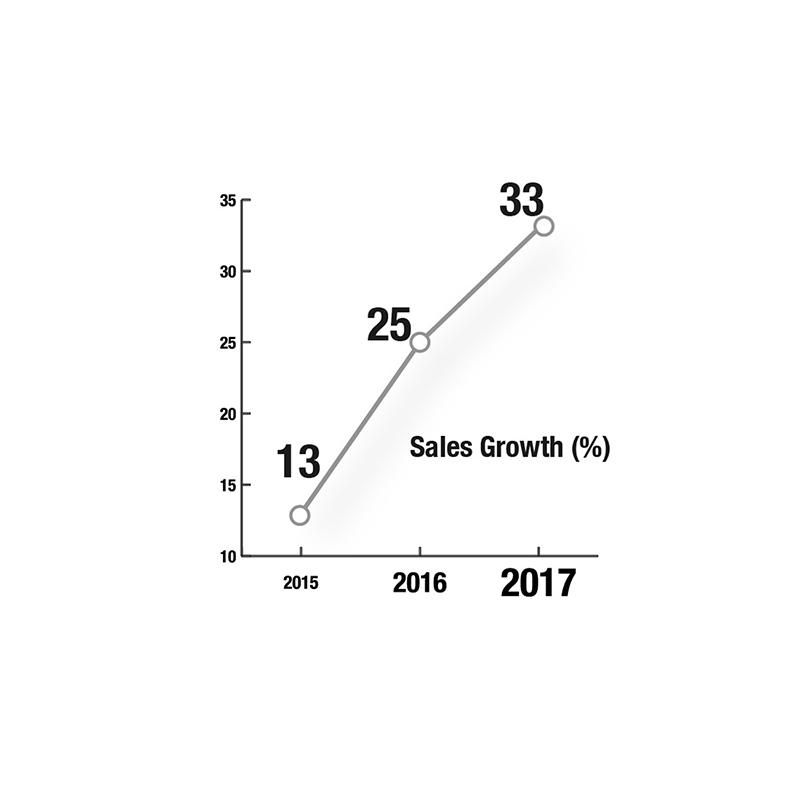
Set Clear, Measurable Goals from the Start (Image Credits: Upload.wikimedia.org)
Companies across industries continually refine their sales approaches to achieve sustainable revenue growth in competitive landscapes.
Set Clear, Measurable Goals from the Start
Sales teams thrive when leaders establish specific targets that guide daily efforts. High-performing organizations define goals using the SMART framework – specific, measurable, achievable, relevant, and time-bound.[1] This method ensures reps understand expectations and track progress effectively.
Managers track both activity metrics, like calls made, and outcome measures, such as deals closed. Teams that adopt this practice report clearer direction and higher motivation. Regular reviews adjust goals as market conditions shift, preventing stagnation.
Deepen Understanding of Customer Needs
Successful sellers prioritize uncovering customer pain points before pitching solutions. This involves thorough discovery sessions to identify challenges and align offerings accordingly.[2] Businesses that emphasize benefits over features build stronger connections and close more deals.
Developing detailed buyer personas further sharpens targeting. Sales professionals use these insights to tailor communications, increasing relevance and response rates. Over time, this approach fosters trust and repeat business.
Optimize Pricing and Enhance Perceived Value
Pricing strategies directly impact revenue, yet many overlook regular audits. Companies analyze costs, competitor rates, and customer willingness to pay for optimal adjustments.[3] Value-based pricing highlights unique advantages, justifying premium positions.
Testing small changes reveals quick wins without alienating buyers. This practice balances volume and margins effectively. Leaders communicate value clearly to avoid price wars.
Prioritize Retention and Expansion Opportunities
Existing customers offer the lowest-cost path to revenue growth. Firms focus on retention through personalized follow-ups and loyalty programs.[4] Upselling complementary products extends lifetime value significantly.
Cross-selling based on purchase history boosts average transaction sizes. Satisfied clients also provide referrals, amplifying reach organically. This shifts emphasis from acquisition to long-term relationships.
Invest in Team Training and Coaching
Ongoing development separates top sales organizations from the rest. Regular coaching sessions address skill gaps and reinforce best techniques.[1] Feedback loops accelerate improvement.
Training covers modern tools and objection handling. Teams equipped with these skills adapt faster to buyer behaviors. Results include higher win rates and confidence.
Here are the seven core practices in summary:
- Set SMART goals.
- Uncover customer pain points.
- Optimize pricing strategies.
- Leverage customer retention.
- Implement value-based selling.
- Harness data analytics.
- Align sales with other teams.
Key Takeaways
- Combine activity and outcome metrics for balanced tracking.
- Customer-centric approaches yield higher retention rates.
- Continuous training sustains long-term performance gains.
Implementing these practices transforms sales operations into revenue engines. Start with one area for immediate impact, then scale across the team. What practice will you prioritize first? Share your thoughts in the comments.