
People have been visiting America’s most famous monuments for generations. Yet behind each landmark lies a story far stranger than the textbooks tell. These structures weren’t always what they appear to be today, and some were never finished the way their creators intended.
The Statue of Liberty Wasn’t Always Green
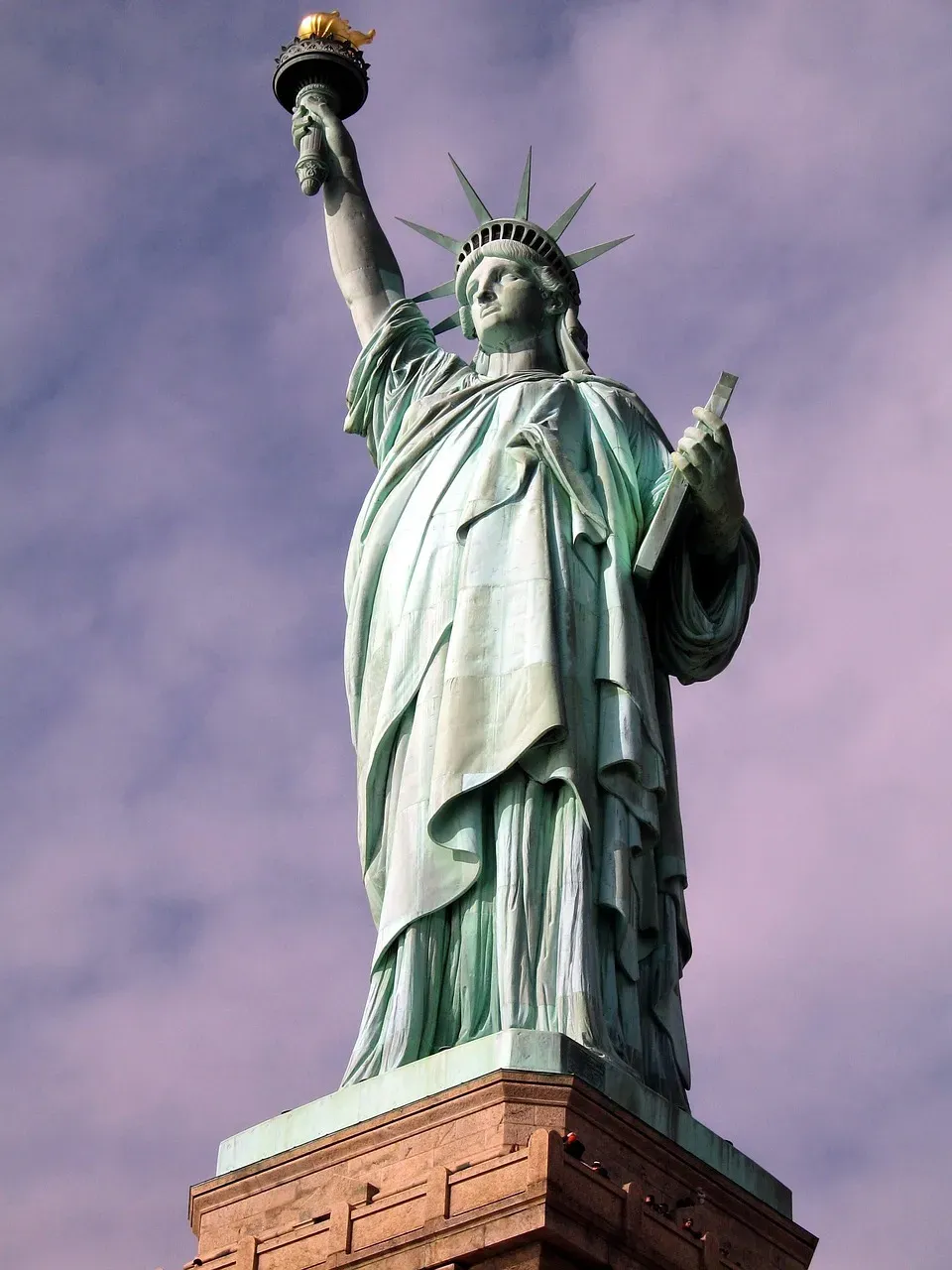
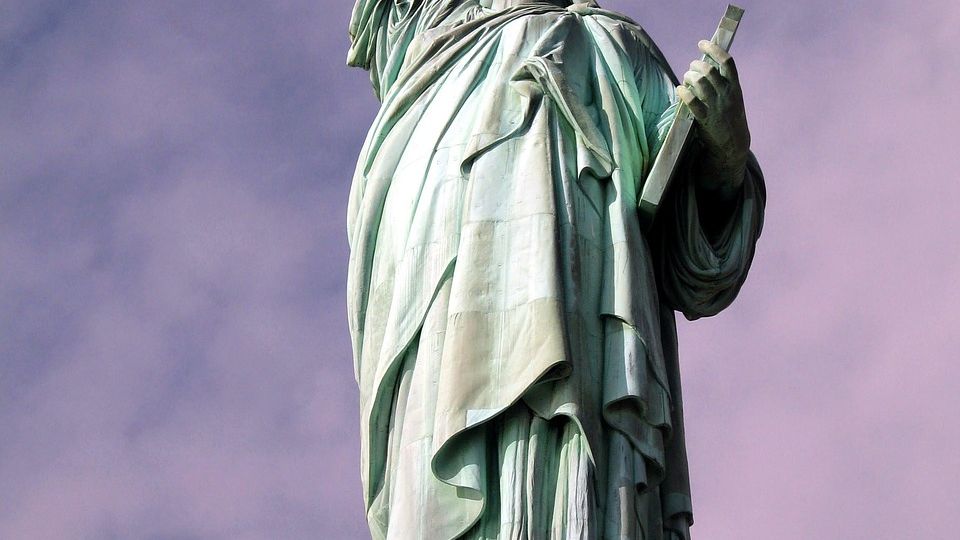
When unveiled in 1886, the Statue of Liberty shone with a bright copper color, resembling a gleaming new penny rather than the green icon we recognize today. The National Park Service believes the oxidation process took about 25 to 30 years to fully change from bronze to green. The green-blue patina forms as copper reacts with oxygen and other chemicals in the air, serving as a natural protective layer against further corrosion. This protective coating means Lady Liberty will likely keep her distinctive color for centuries to come, making the green patina a permanent part of American history.
Mount Rushmore Was Supposed to Include Presidential Bodies
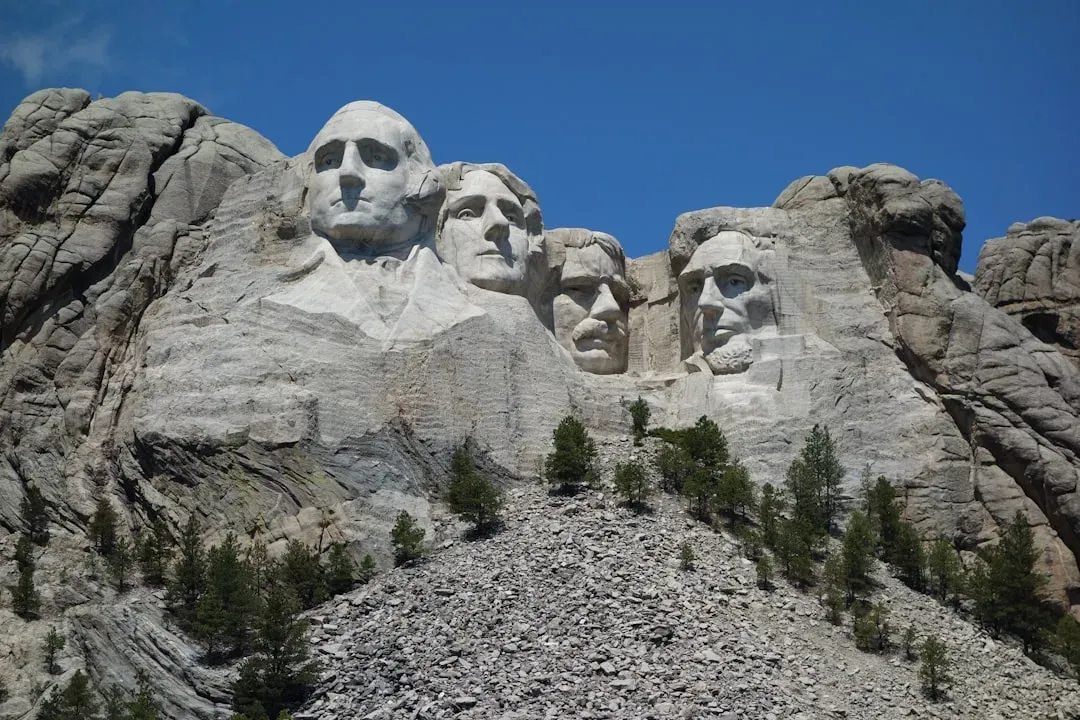
Sculptor Gutzon Borglum envisioned his creation with full torsos of the presidents and a 120-foot-high tablet detailing 150 years of history of the United States. Each president was originally to be depicted from head to waist, but lack of funding forced construction to end on October 31, 1941, and only Washington’s sculpture includes any detail below chin level. In March 1941, Gutzon Borglum unexpectedly died of a heart attack, leading to the end of the work on the mountain. The monument we see today represents only a fraction of the grand vision originally planned for the Black Hills.
The White House Was Built by Enslaved Labor
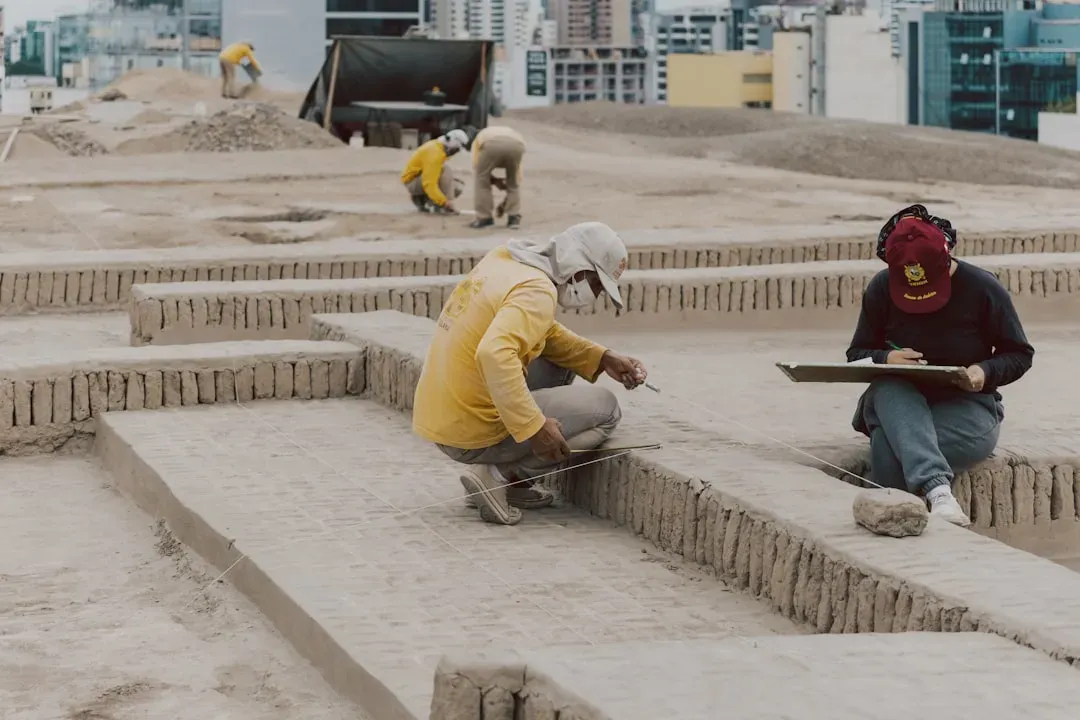
Construction on the President’s House began in 1792, and African Americans – both slave and free – provided the bulk of labor that built the White House. Enslaved people quarried and cut the rough stone that was later dressed and laid by Scottish masons to erect the walls of the President’s House. The White House Historical Association linked 307 enslaved people to building and staffing the White House through the early 19th century. This uncomfortable truth underscores the deep contradictions at the heart of American democracy, where the symbol of freedom was constructed by those denied it.
The Golden Gate Bridge’s Color Started as a Mistake
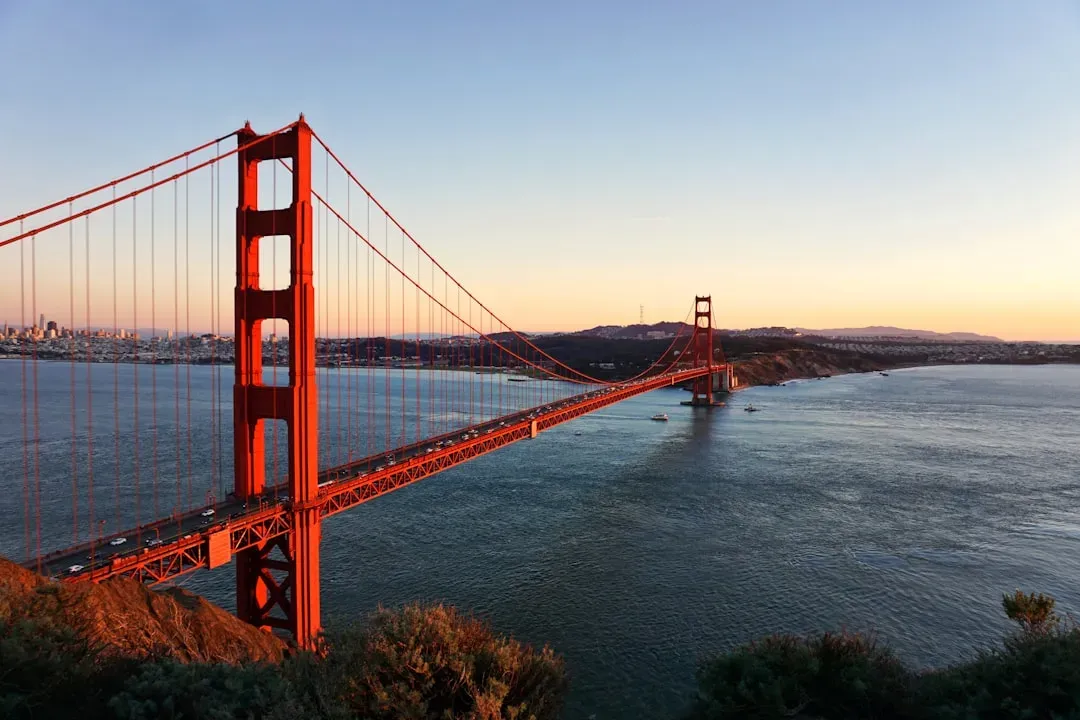
Consulting architect Irving Morrow noticed the striking reddish-orange primer painted on some of the steel and championed the unusual color. In the 1930s, the now-iconic hue was a radical choice, especially since most bridges were painted gray, silver, or black. Morrow felt the primer color was an ideal complement to the gray fog, the golden and green hills, the blue water and sky. The accidental discovery transformed what could have been just another gray span into one of the world’s most photographable structures.
Alcatraz Had an Escape That Remains Officially Unsolved
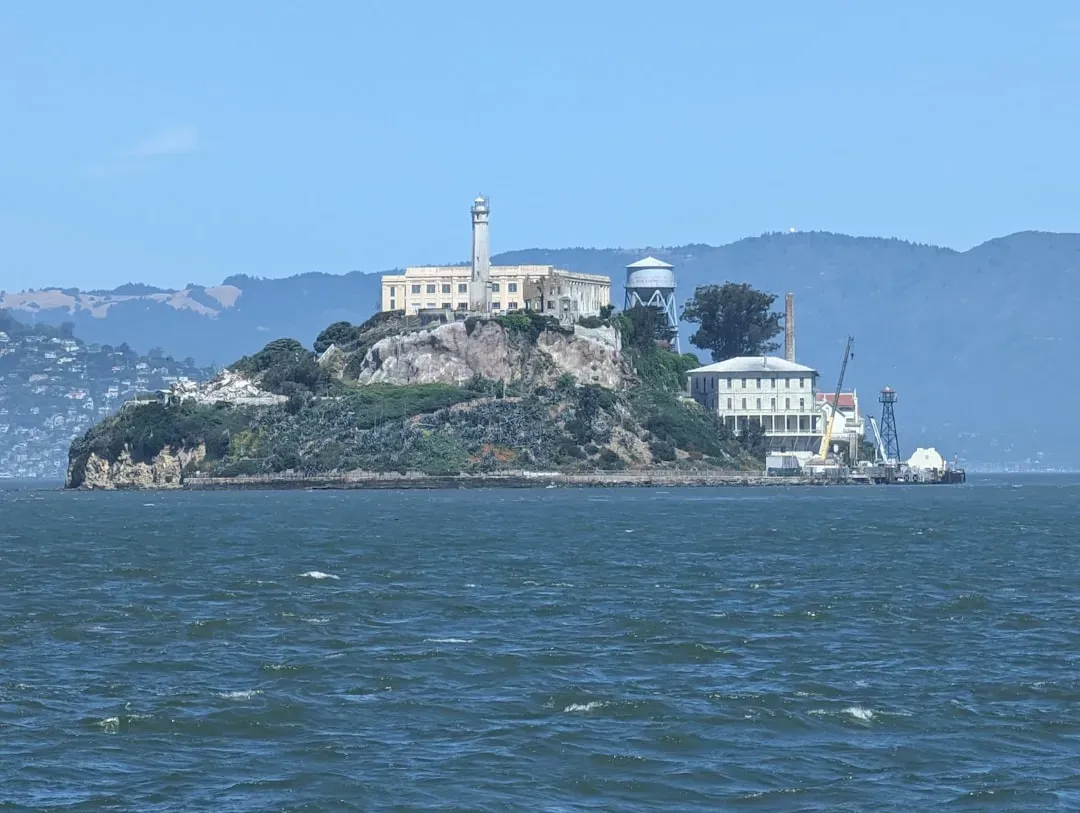
On June 12, 1962, three convicts were not in their cells: John Anglin, his brother Clarence, and Frank Morris, with cleverly built dummy heads made of plaster, flesh-tone paint, and real human hair fooling the night guards. The FBI officially concluded the three inmates likely drowned, yet the U.S. Marshals Service case file remains open and active, and Morris and the Anglin brothers will remain on its wanted list until September 2026. What happened next remains a mystery, and plenty of people have gone to great lengths to prove that the men could have survived. The question of whether they made it across San Francisco Bay continues to fascinate investigators and amateur sleuths alike.
The Lincoln Memorial Sparked Public Controversy When It Was Built
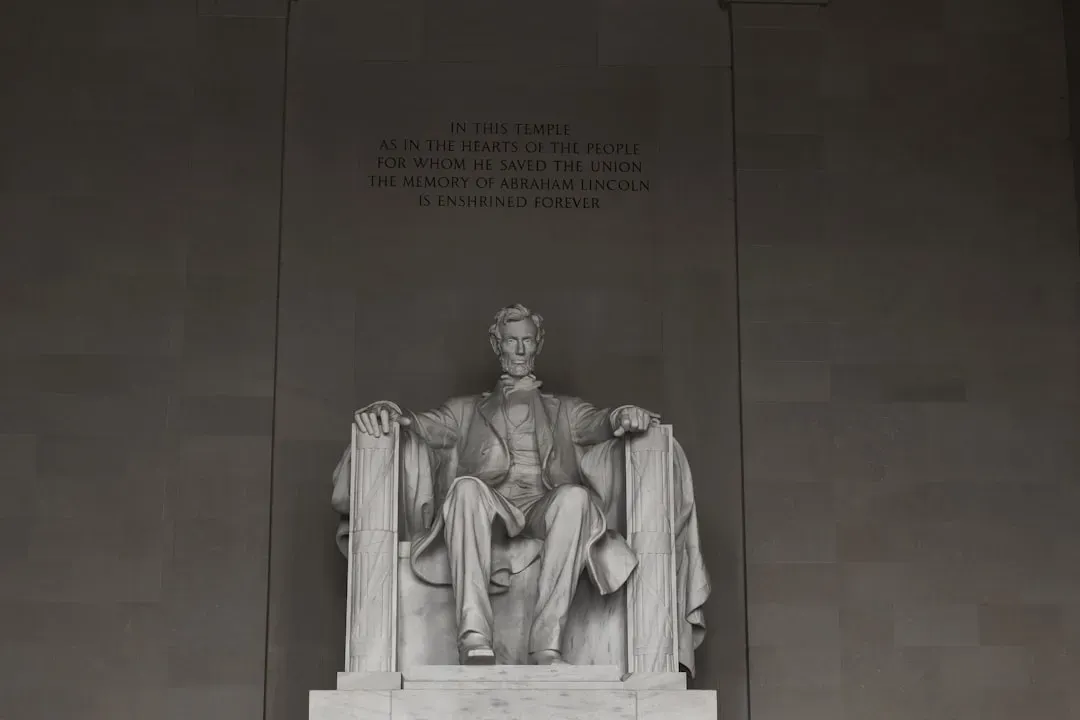
While today the Lincoln Memorial stands as one of Washington’s most revered monuments, its construction in the early twentieth century wasn’t universally celebrated. The massive scale and hefty price tag prompted serious public debate about whether such an elaborate tribute was appropriate or necessary. Newspaper archives reveal that citizens questioned the project’s cost at a time when such expenditures seemed extravagant. The controversy has been largely forgotten now, but it serves as a reminder that even our most cherished national symbols weren’t always embraced without resistance.
The Washington Monument Sank Nearly 9 Inches During Construction
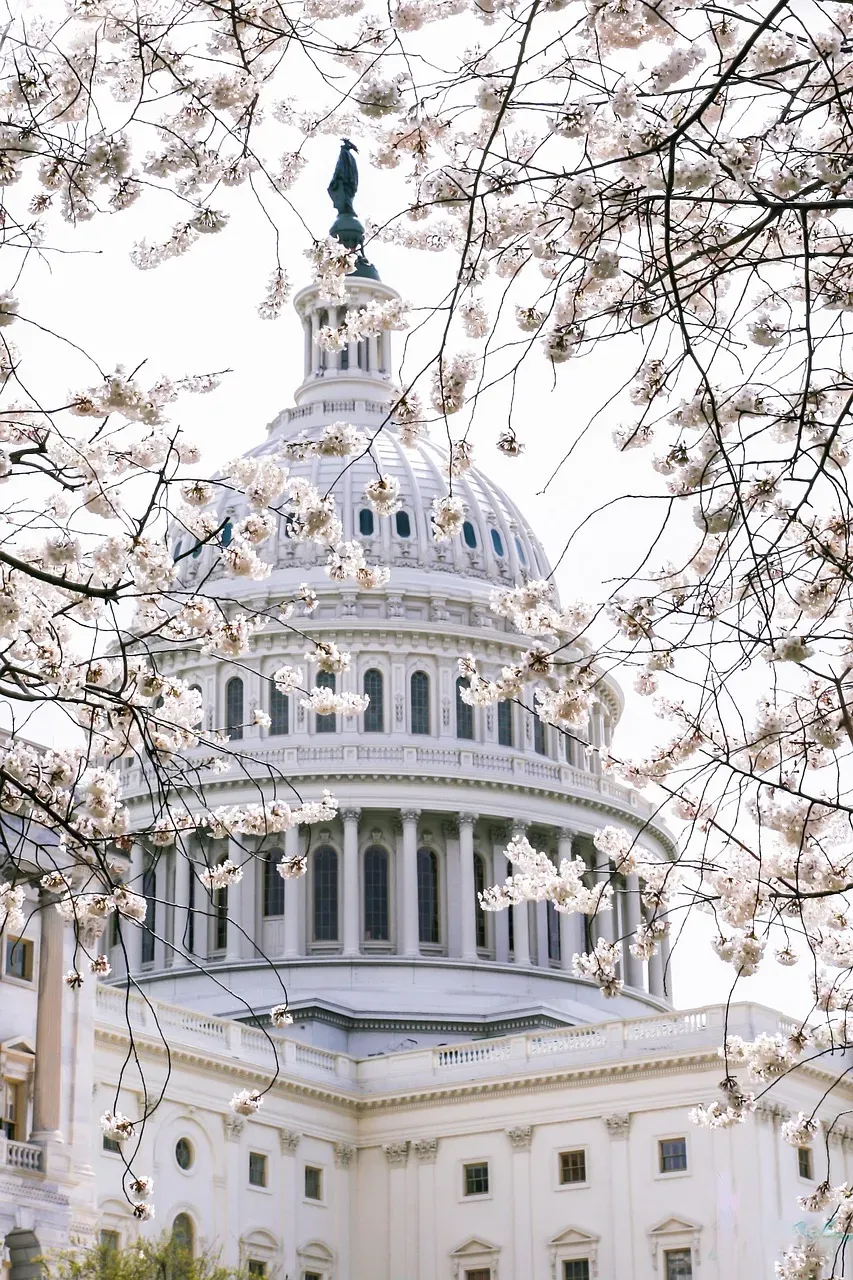
Engineers faced a serious problem when the towering obelisk began settling into the ground due to foundation issues. According to National Park Service geological updates, the monument sank a considerable distance before corrections stabilized it. The engineering team had to halt construction and reinforce the foundation to prevent further sinking, causing delays in the already troubled project. These structural challenges explain why the marble changes color partway up the monument, marking where construction stopped for years before resuming with stone from a different quarry.
What do you think about these hidden chapters of American history? Sometimes the most interesting stories are the ones that didn’t make it into the tour guides.