We live in a world that tends to celebrate achievement while quietly ignoring the brain behind it. Neurodiversity – the term used to describe natural variations in how human brains work, from autism and ADHD to dyslexia and Tourette syndrome – touches far more lives than most people realise. Research indicates that around 15 to 20 percent of the global population is neurodivergent. That’s not a minority. That’s practically every classroom, every workplace, every stage.
What makes this even more compelling is how many of the most recognisable names in entertainment, sports, and business carry a neurodiverse diagnosis. Some have spoken freely about it. Others waited decades. All of them challenge the story that different means lesser. Let’s dive in.
1. Simone Biles – ADHD
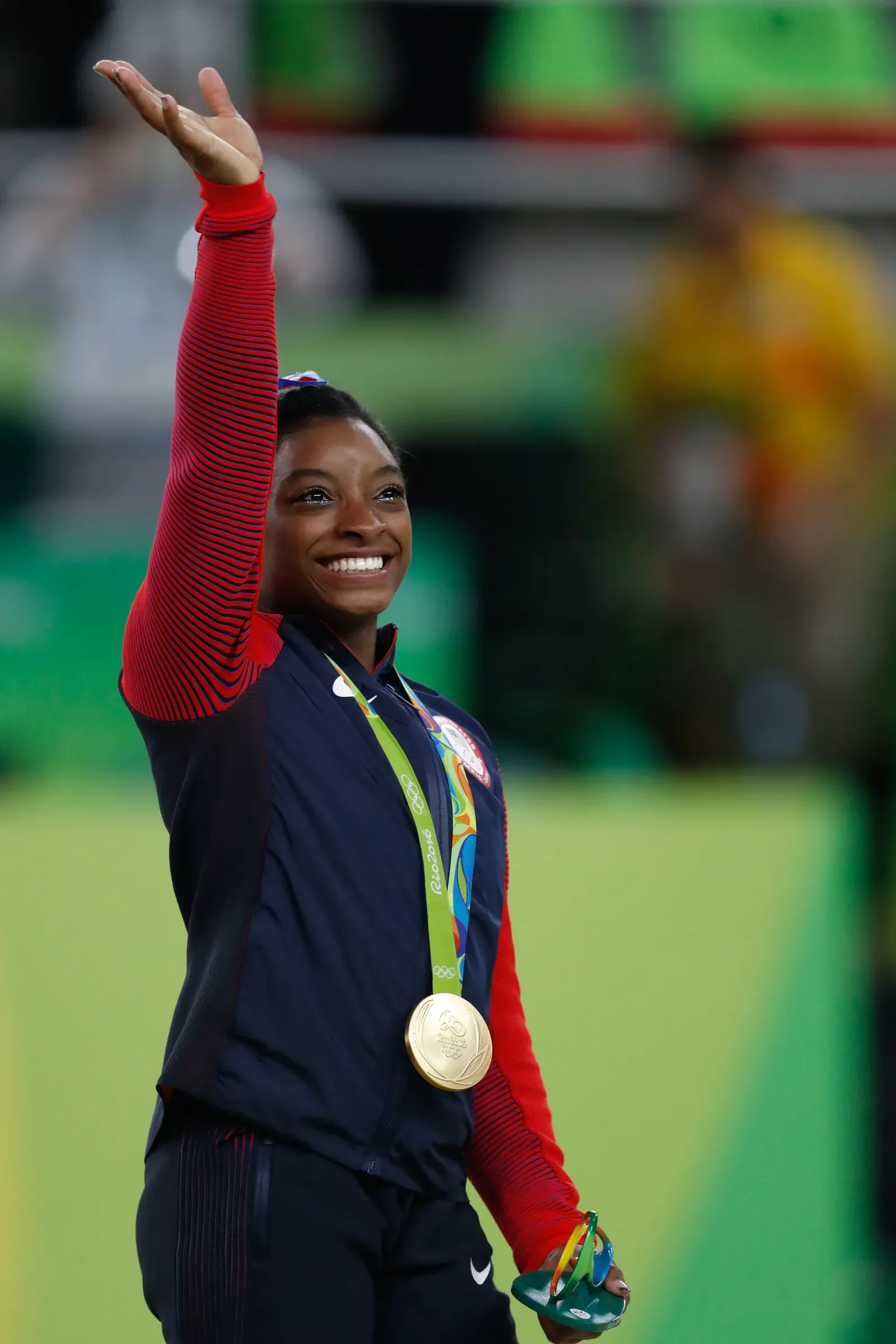
Here’s a fact that might surprise you: the greatest gymnast of all time competes with ADHD. Olympic gymnast Simone Biles, diagnosed with ADHD at an early age, has spoken openly about taking medication to manage her symptoms. Her story didn’t stay quiet either. When Russian hackers leaked her medical records ahead of the 2016 Rio Olympics, she didn’t hide or deflect.
USA Gymnastics confirmed that Biles had been approved for a therapeutic-use exemption, so she didn’t break any rules by taking Ritalin. She went public, refused the shame, and turned what could have been a scandal into an act of extraordinary advocacy. Biles’ openness about her diagnosis shifted public perception, since ADHD is often misunderstood as a condition that limits success, but her story is a reminder that neurodivergent individuals can and do excel in the most demanding fields.
2. Greta Thunberg – Autism Spectrum Disorder

There are very few people who have reshaped global conversations at such a young age, and Greta Thunberg is one of them. Known around the world for her headstrong environmental activism, Greta Thunberg has Asperger syndrome, a condition on the autism spectrum that affects how people socialise and communicate. She has described her diagnosis as a “superpower” and says it helped her get the support she needed.
Thunberg has bravely shared her journey with autism and obsessive-compulsive disorder along the way, and through her powerful speeches and advocacy efforts, she has inspired millions worldwide to take action against climate change while bringing attention to mental health awareness. Honestly, it’s hard to imagine her relentless focus and near-obsessive dedication to climate data coming from a different kind of mind.
3. Billie Eilish – Tourette Syndrome
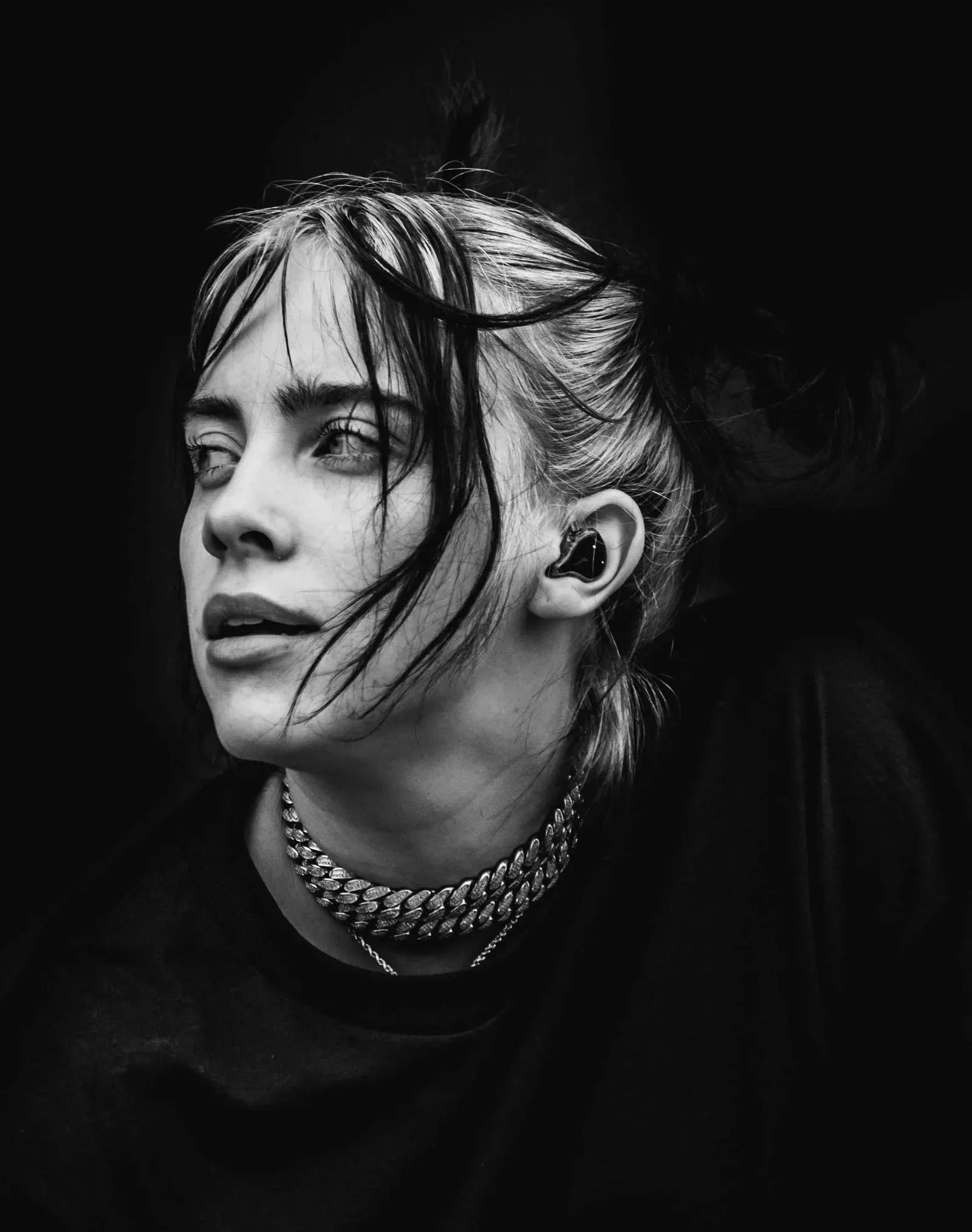
Billie Eilish is one of the most decorated young musicians alive, and many fans still don’t know she lives with Tourette syndrome. Eilish is a household name, taking the musical world by storm. She’s won multiple Grammys, and her debut album topped the charts in over 100 countries, but many people may not know that she has Tourette syndrome.
Diagnosed with Tourette’s at age 11, Eilish has said in an interview that she does not want the condition to define her. What’s striking is how she manages tics that are essentially invisible to audiences during live performances. The discipline required to perform at that level, while quietly managing a neurological condition, is something most people never stop to think about.
4. Anthony Hopkins – Autism Spectrum Disorder (Asperger’s)
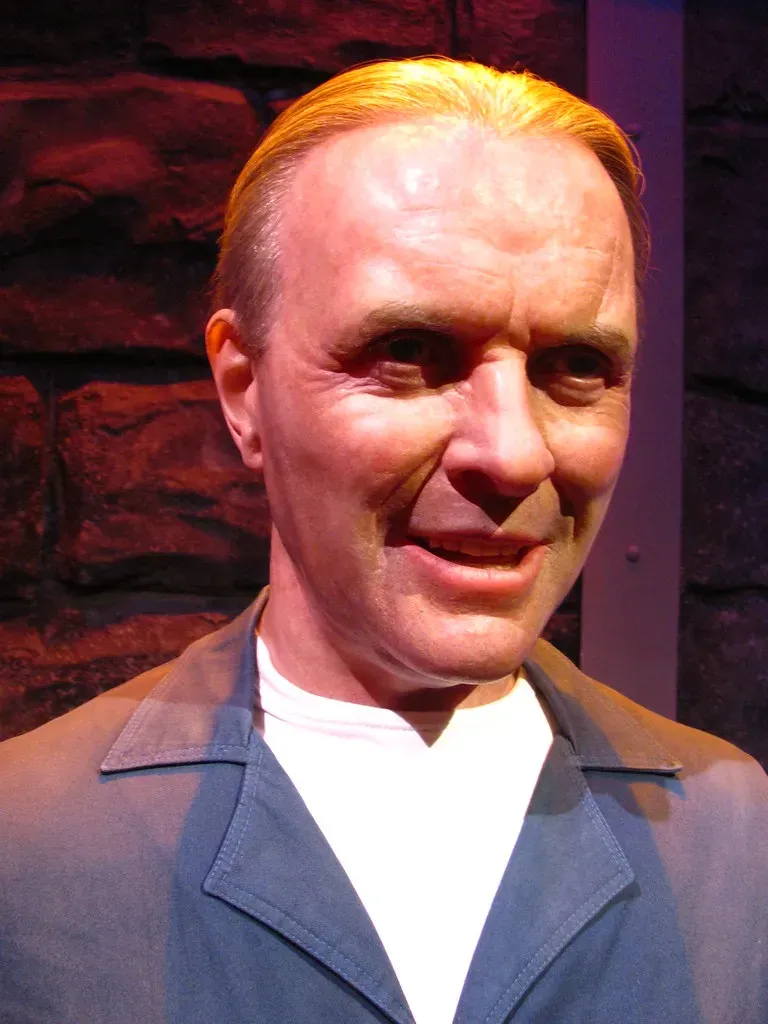
Sir Anthony Hopkins is widely regarded as one of the finest actors of his generation. What fewer people know is that his approach to performance is shaped by a brain that works differently. Anthony Hopkins was diagnosed with Asperger’s syndrome in 2014 and publicly revealed his diagnosis in 2017. He received that diagnosis in his seventies, meaning he had navigated an entire legendary career without ever having a name for the way his mind functioned.
Hopkins’ unique neurological makeup contributed to his meticulous approach to acting. His ability to hyper-focus allowed him to memorize scripts rapidly and deliver performances with precision. This trait, common among individuals with Asperger’s, became one of his greatest assets in his acting career. Hopkins describes his autism as a “great gift” that has shaped his acting career. He attributes his obsessive attention to detail and ability to deeply analyse characters to his condition.
5. Richard Branson – Dyslexia
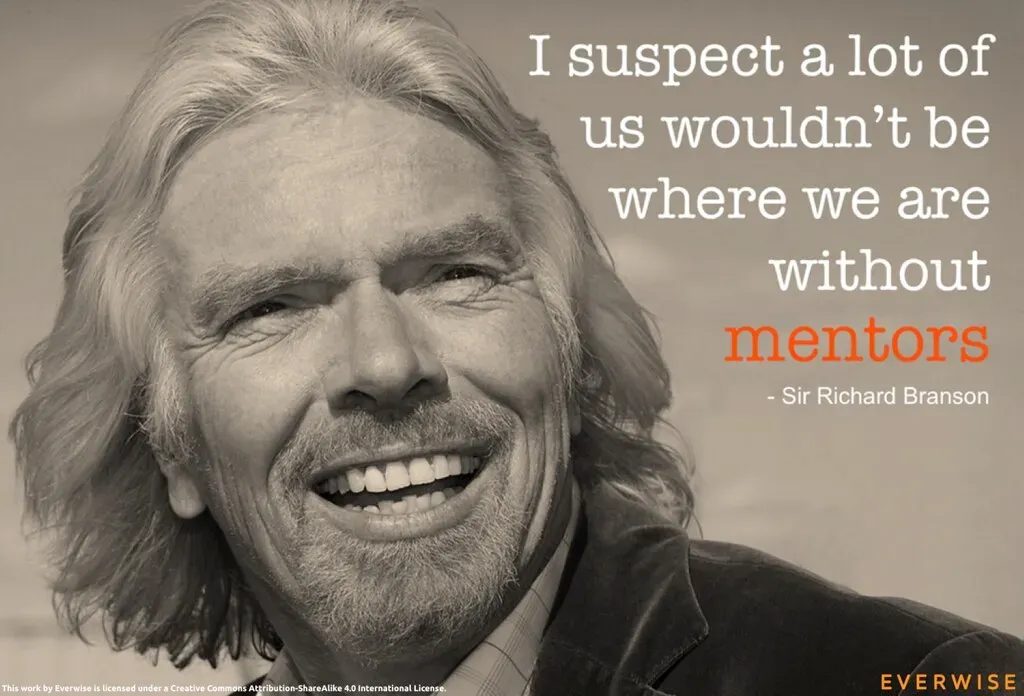
Richard Branson is the kind of person who builds empires. He is also someone who left school at fifteen because his neurodivergent brain simply did not fit the mould education had prepared for him. Branson, the billionaire founder of Virgin Group, has turned his money and focus toward a very personal new project: DyslexicU, the first free online university for dyslexic thinkers. The inspiration? Branson himself has lived with dyslexia.
Branson’s experience with dyslexia was marked by challenges and limited support during his childhood. Diagnosed at a young age, he faced difficulties with reading, writing, and retaining information at school. In September 2024, he launched DyslexicU in collaboration with Made By Dyslexia and The Open University – an initiative aimed at addressing the increasing importance of human skills like problem-solving, creativity, and communication, with courses led by successful dyslexics and accessible worldwide. That’s not just awareness. That’s action.
6. Dan Aykroyd – Autism Spectrum Disorder (Asperger’s)
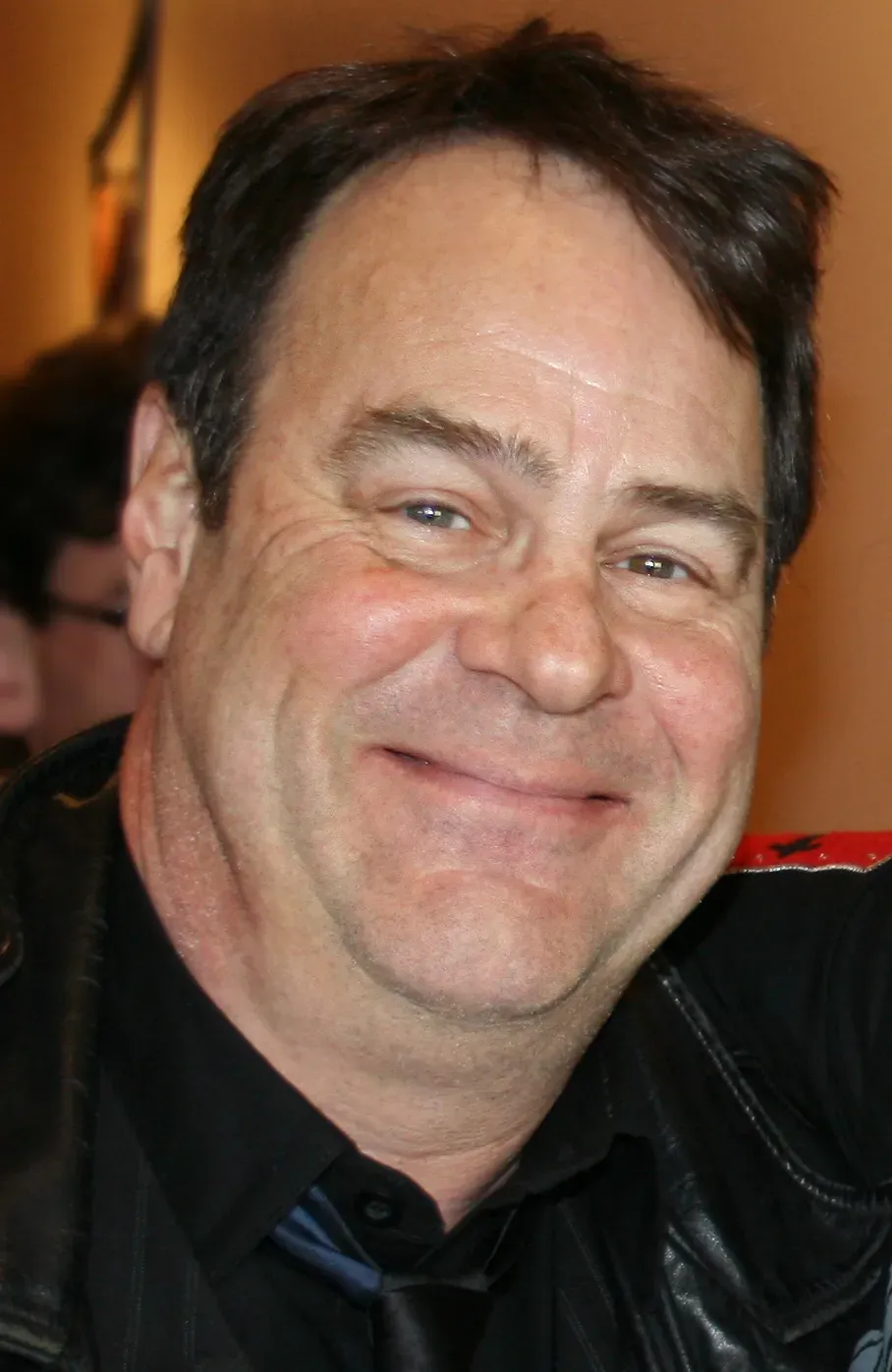
Most people know Dan Aykroyd as one of the original Ghostbusters or as the co-creator of Saturday Night Live’s earliest iconic sketches. What isn’t as widely known is that he was diagnosed with Asperger’s syndrome, and that his neurodiversity played a direct role in shaping one of his most beloved creations. Neurodiversity covers a range of neurological variations, including ADHD, autism spectrum disorder, dyslexia, Tourette’s syndrome, and more. Rather than viewing these differences as deficits, the neurodiversity paradigm emphasizes that these variations are simply part of the natural diversity of human cognition.
Aykroyd has spoken about how his fixation on ghosts and law enforcement, traits associated with his Asperger’s, directly inspired the concept of Ghostbusters. It’s one of the clearest real-world examples of a neurodiverse mind producing something that has resonated with hundreds of millions of people across generations. Many celebrities have played a crucial role in the neurodiversity movement by openly discussing their neurodivergence and helping to destigmatise these conditions.
7. Michael Phelps – ADHD
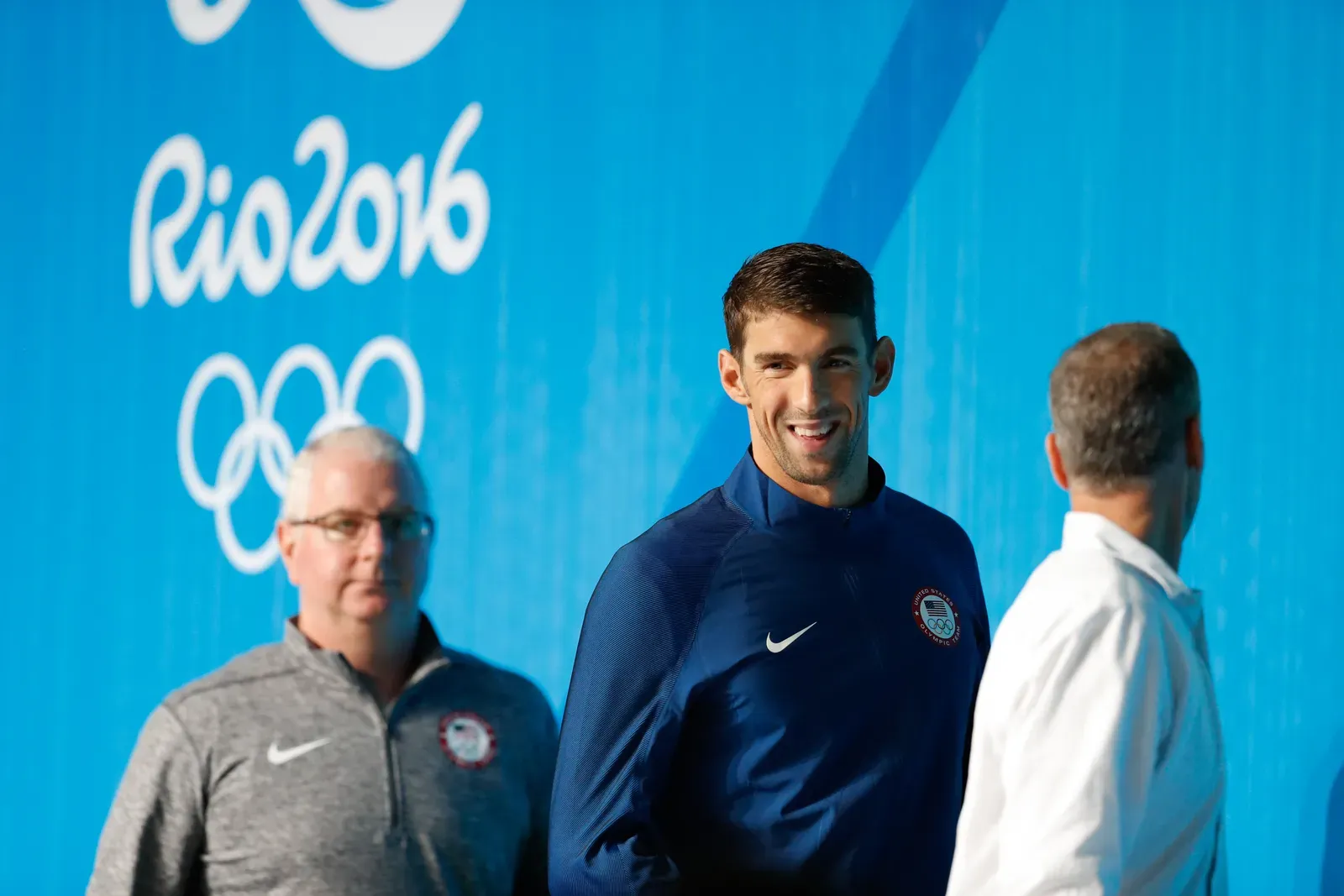
It might sound strange that the most decorated Olympian in history, a man who has spent his entire career demanding extraordinary focus from his body and mind, has ADHD. Let’s be real though – once you understand what ADHD actually is, it starts to make complete sense. Michael Phelps, the most decorated Olympian in history with 28 Olympic medals, 23 of them gold, has been open about his diagnosis of ADHD. His relentless work ethic, dedication to training, and extraordinary talent have propelled him to become one of the greatest athletes of all time.
Phelps has spoken publicly about how swimming became an outlet – a channel for the restless, high-energy nature that comes with ADHD. It’s hard to say for sure whether his neurodiversity gave him an edge, but what is clear is that it shaped the path he took. Other world-class athletes such as Louis Smith and Ashley McKenzie have also spoken publicly about their ADHD, helping to normalise the condition and highlight its diversity.
8. Cara Delevingne – ADHD and Dyspraxia
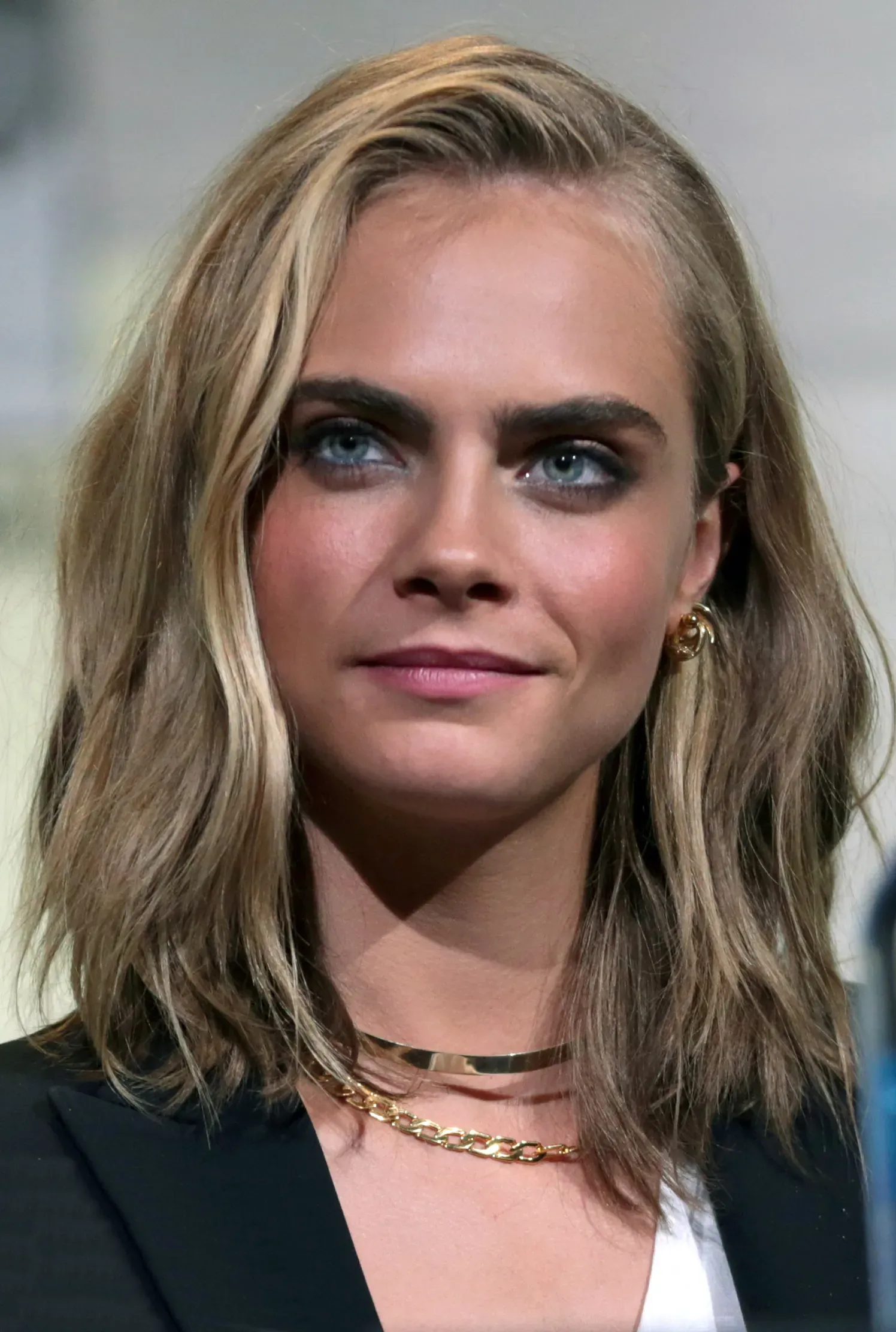
Cara Delevingne is a model, actress, and writer who has walked runways across four of the world’s major fashion weeks. What many people don’t know is that she navigated the pressure of early superstardom while managing both ADHD and dyspraxia. She was diagnosed with dyspraxia and ADHD as a child, and said writing and taking tests was difficult.
She is diagnosed with ADHD and has talked openly about handling ADHD with a celebrity life. She spoke about how she battled the stigma of ADHD shame in the public eye and overcame the pressure to mask her disorder. That takes a particular kind of courage – being watched by millions while quietly managing something you were once ashamed of. Delevingne’s openness has contributed to a broader cultural shift in how neurodiversity is discussed in fashion and entertainment circles, industries not historically known for their compassion around mental health.
Why This Matters More Than You Might Think
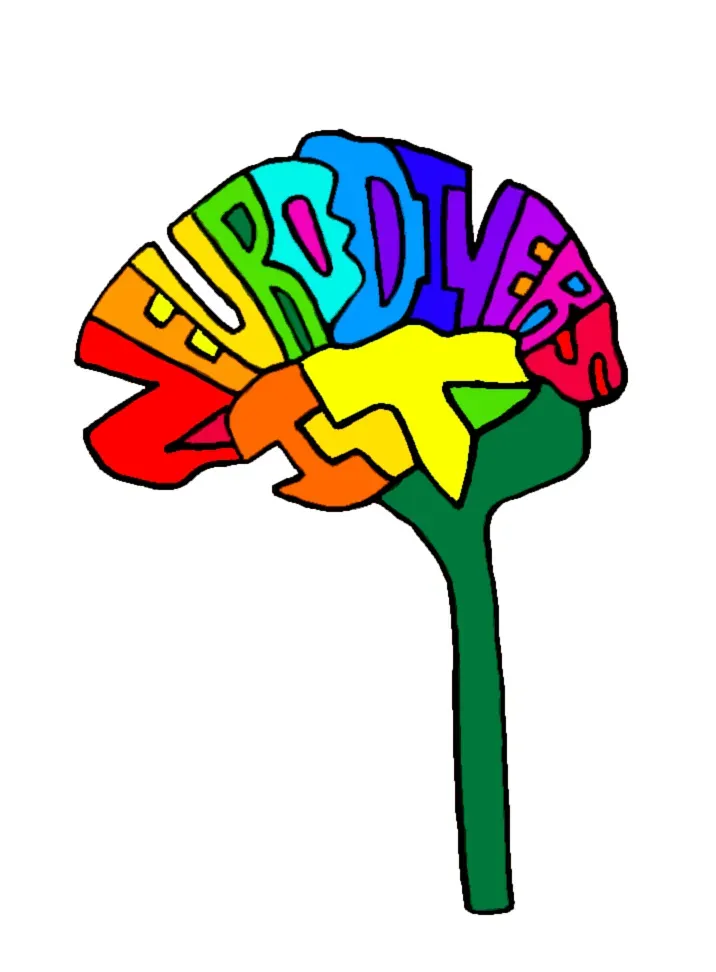
Here’s the thing. Every single person on this list succeeded not despite their neurodiversity, but often in ways that were shaped by it. Historically, neurodivergence was often misunderstood and pathologised. Today, however, we are beginning to understand that neurological differences are not deficits but variations in human cognition that can bring extraordinary strengths.
According to the National Institute of Mental Health, autism spectrum disorder affects approximately 1 in 36 children and 1 in 45 adults. That number doesn’t even account for ADHD, dyslexia, Tourette syndrome, and the dozens of other conditions that fall under the neurodiversity umbrella. The faces of neurodiversity are not niche. They are everywhere. They are on your screen, on your playlist, on your Olympic podium.
Learning about the lives of neurodivergent individuals is important for creating a world where everyone feels included and valued. Understanding their stories helps us be more empathetic, fight against unfair treatment, and ensure that everyone has equal access to opportunities and support. When someone like Simone Biles stands up in front of the world and refuses to be ashamed of her ADHD, or when Anthony Hopkins calls his autism a great gift at age 87, something shifts in the culture. Slowly, but it shifts.
The next time you watch a film, listen to a record, or follow an athlete, remember that the mind behind the performance may be wired entirely differently from your own – and that might be exactly why it moves you. Which of these eight surprised you the most?