There’s something quietly powerful happening in American kitchens right now. People are dusting off old recipe cards, calling their grandmothers, and searching Google for dishes that haven’t been on anyone’s weekly rotation in decades. It’s not just nostalgia for its own sake. It’s something deeper, a hunger for food that feels real, rooted, and honestly just really satisfying to eat.
The National Restaurant Association’s 2026 What’s Hot Culinary Forecast confirmed what many food watchers had already sensed: the report, based on insights from hundreds of culinary professionals surveyed in October 2025, reveals that nostalgia, comfort, and what they called “flavor escapism” are now defining consumer desires. Heritage cooking isn’t a quirky trend. It’s a full-on movement. So let’s get into the eight recipes leading the charge.
1. Chicken and Dumplings: The Original Hug in a Bowl

Honestly, few dishes carry as much emotional weight as chicken and dumplings. There’s a reason it’s always the one people mention first when they talk about their grandmother’s cooking. Food historians have long noted that dishes like chicken and dumplings date back to early colonial cooking methods, rooted in the practical need to stretch one chicken into a filling meal for an entire household.
Many Americans are turning to the familiar dishes of their childhoods during times of economic pressure and cultural uncertainty. Rooted in traditions stretching back generations, these recipes offer more than a meal. They evoke memories of family gatherings, grandmothers’ favorite recipes, and simpler, more grounded times. Chicken and dumplings lands right at the center of all of that.
As a sign of its renewed commercial appeal, the dish now appears in high-profile product lines: Dolly Parton’s Chicken and Dumplings features white-meat chicken with thick-cut carrots and celery, paired with dumplings in a creamy pepper and thyme sauce. When something makes it into a national retail line, you know it’s officially back.
2. Cornbread: A Staple With Deep American Roots

Cornbread is one of those recipes that sounds simple until you actually dig into its history. The U.S. Department of Agriculture has noted that cornbread is tied directly to Indigenous and early American food traditions, making it one of the oldest continuously prepared dishes on this continent. That’s not nothing.
According to the National Restaurant Association, menus are serving up major mood-lifting energy right now, featuring dishes that whisk diners away, either to a favorite memory or a destination they haven’t yet experienced. Cornbread does exactly that. One bite of a proper cast-iron skillet cornbread, golden-edged and barely sweet, and you’re somewhere warm and familiar immediately.
Heritage recipes like cornbread serve as conduits for cultural and familial traditions. Preparing a dish passed down through generations offers a tangible connection to each cook’s heritage, anchoring individuals in their family’s history. At the same time, this revival mirrors broader trends, like the farm-to-table movement and the renewed appreciation for handmade goods.
3. Pot Roast: Sunday Dinner Is Back on the Menu
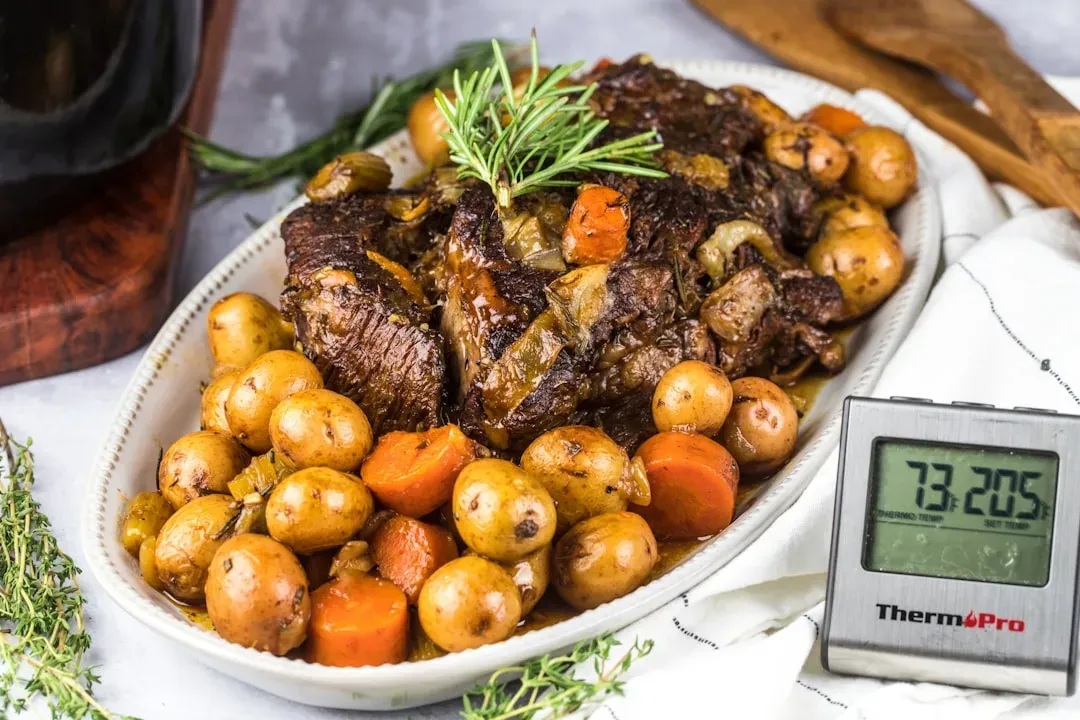
Let’s be real. Pot roast never really went anywhere. It just got overshadowed by trendier things for a while. Now it’s roaring back, and for good reason. It’s one of the most forgiving recipes in existence: a tough cut of beef, some root vegetables, a low oven, and several hours of patience. The result is fall-apart tender meat swimming in rich, savory liquid. Nothing complicated about it.
The National Restaurant Association’s 2026 forecast lists comfort foods, including familiar classics like soups, stews, and burgers, as top menu priorities, as operators balance creativity and cost by delivering satisfying meals that remain affordable for price-conscious diners. Pot roast fits both criteria perfectly. It’s economical, deeply satisfying, and feels celebratory even on a Tuesday.
Rising food costs make these resourceful meals particularly appealing. Designed to maximize flavor while minimizing expense, dishes like pot roast and braises cater to families seeking cost-effective ways to eat well. Think of pot roast as the original slow-food masterpiece, decades before anyone made that phrase trendy.
4. Shrimp and Grits: The South Strikes Back
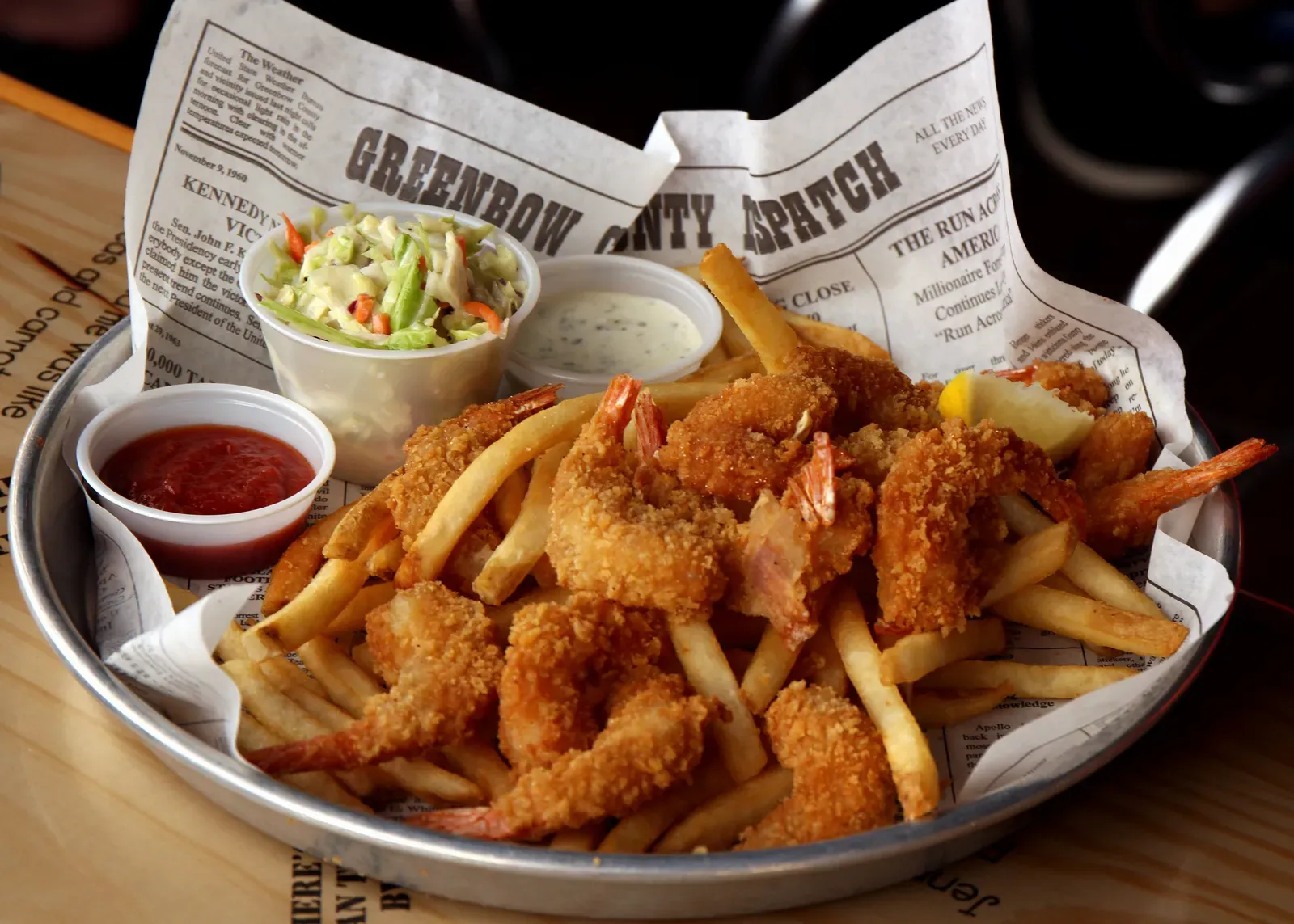
Shrimp and grits has a genuinely interesting origin story. It started as a humble fisherman’s breakfast along the South Carolina coast, before climbing the culinary ladder to fine-dining menus in cities like Charleston and New York in the 1980s. Now it’s doing something even more interesting. It’s coming back home, in the most literal sense, reclaimed by home cooks and neighborhood restaurants alike.
Chefs are reinterpreting homestyle dishes from around the world, blending authenticity with local influence, and dishes like shrimp and grits sit at the center of that movement. You can find variations now across the country, from spicy Creole-style versions to cleaner, more minimalist takes. The dish travels well, culturally speaking.
At the retail level, shrimp and grits products are now featuring white cheddar grits with shrimp, cherry tomatoes, and a spicy Southern-style sauce, signaling that demand has crossed over from restaurants into everyday home kitchens. That crossover is always the truest sign that a recipe has genuinely arrived.
5. Chicken Pot Pie: Comfort Food With a Flaky Crown
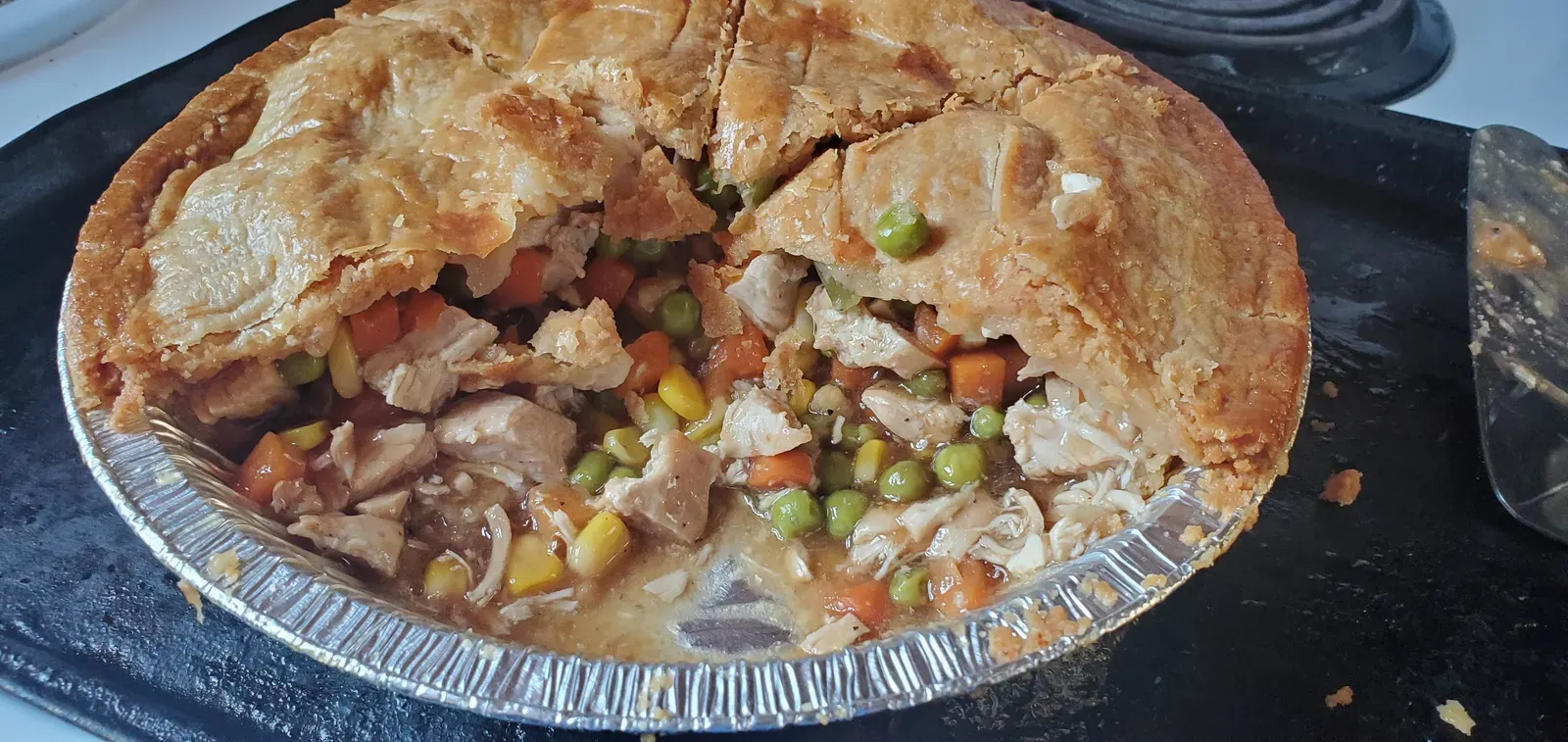
There’s a reason chicken pot pie appears in nearly every conversation about all-time American comfort food. It has everything: a creamy filling loaded with vegetables and tender chicken, sealed under a golden pastry crust that shatters when you spoon into it. It’s the kind of dish that immediately makes a house smell like home. I think there’s genuine magic in that.
From bubbling casseroles to layered trifles, retro creations are staging a comeback fueled by nostalgia and a desire for comfort amid today’s uncertainties, and chicken pot pie is right at the top of that list. Google Trends data cited in food-industry analyses confirms that searches for classic dishes including chicken pot pie rose notably between 2023 and 2024, reflecting genuine, measurable public appetite for these recipes.
While their nostalgic charm endures, many of these vintage dishes are being adapted to meet contemporary tastes and modern meal plans. Casseroles and pot pies, for instance, are being enhanced with fresh, seasonal ingredients and plant-based alternatives. The shell stays classic. The filling can evolve. That balance is exactly right.
6. Meatloaf: The Most Underrated Dish in America

Meatloaf has had a rough few decades, reputation-wise. It became the punchline of a million school cafeteria jokes. Here’s the thing though: a properly made meatloaf, with good ground beef, a little pork, aromatic vegetables, and a tangy glaze baked to a caramelized finish, is genuinely exceptional. The dish just suffered from bad press and worse execution for too long.
Smashed burgers and retro diner staples are reemerging as social-media favorites, blending retro appeal with high-flavor twists, and meatloaf is part of that exact same retro revival energy sweeping American dining culture. Restaurants across major U.S. cities have been reintroducing heritage dishes like meatloaf, reflecting a broader retro comfort food movement noted by hospitality analysts.
The pandemic reshaped Americans’ approach to cooking. Traditional recipes offered a means of finding comfort and stability during periods of uncertainty. Preparing hands-on dishes like quiches, artisan breads, and hearty mains became a form of therapy for millions stuck at home. Meatloaf was absolutely part of that pandemic-era cooking revival. It just never stopped being made once people rediscovered it.
7. Biscuits and Gravy: The Appalachian Classic That Never Left

Some dishes are so deeply embedded in regional identity that calling them a “comeback” almost feels inaccurate. Biscuits and gravy never disappeared from Appalachian and Midwestern tables. What’s new is that the rest of the country is finally paying attention. Fluffy, flaky biscuits smothered in thick, peppery sausage gravy is a breakfast that leaves no one hungry, and no one unhappy.
Traditional techniques like pickling, fermenting, making bone broths, and producing preserved goods are making a strong comeback in modern kitchens. These methods, once seen as old-fashioned, are now valued for both their sustainability and their deep, complex flavors. The same philosophy applies to the humble roux-based gravy at the heart of this dish. Simple technique. Extraordinary result.
Shoppers are cooking at home more often and creating “hybrid meals” that combine premade items with those made from scratch, and biscuits and gravy lends itself beautifully to that approach. Store-bought biscuits with homemade gravy. Or scratch biscuits with a quick sausage gravy. Either way, the result is genuinely satisfying and rooted in American culinary tradition.
8. Peach Cobbler: The Dessert That Defined Summer Tables
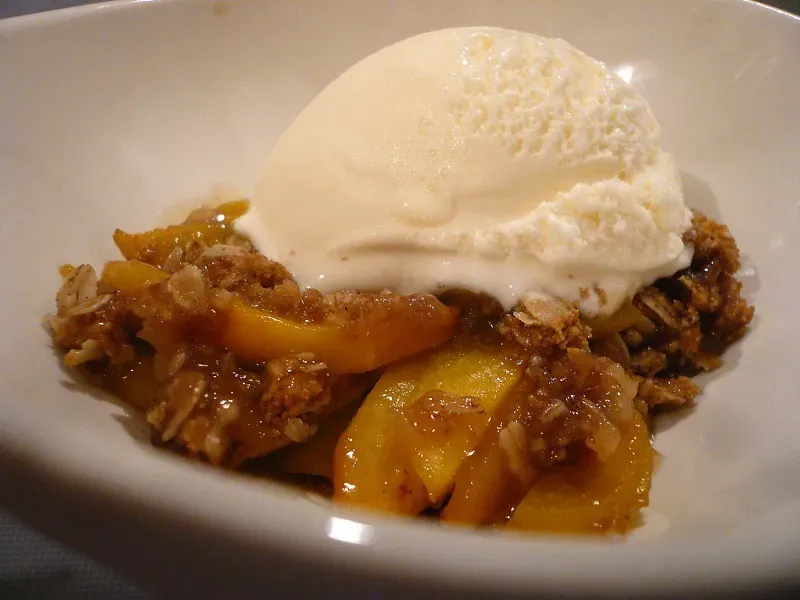
Peach cobbler is the kind of dessert that doesn’t need defending. Juicy, sweet-tart peaches bubbling under a biscuity, golden topping, served warm with a scoop of vanilla ice cream melting into the edges. It’s nearly impossible to improve upon. It’s also deeply, unapologetically American, tied to Southern food culture and the seasonal rhythms of summer stone-fruit harvests.
Gathering from garden to table is trending upward, with nearly two-fifths of diners seeking restaurants that source locally and sustainably. Peach cobbler, made with locally sourced seasonal fruit, is the perfect bridge between farm-to-table values and old-fashioned home cooking tradition. It’s heritage food that also happens to align perfectly with 2025 dining values.
Cooking at home remains strong, with roughly two-thirds of Americans continuing to do so to save money and control their budget. After gaining confidence in the kitchen during lockdown, Americans are looking for inspiration to make healthier, more satisfying meals at home. A homemade peach cobbler, made from scratch with ripe fruit and simple pantry staples, ticks every single one of those boxes beautifully.
Why This Revival Is About More Than Nostalgia
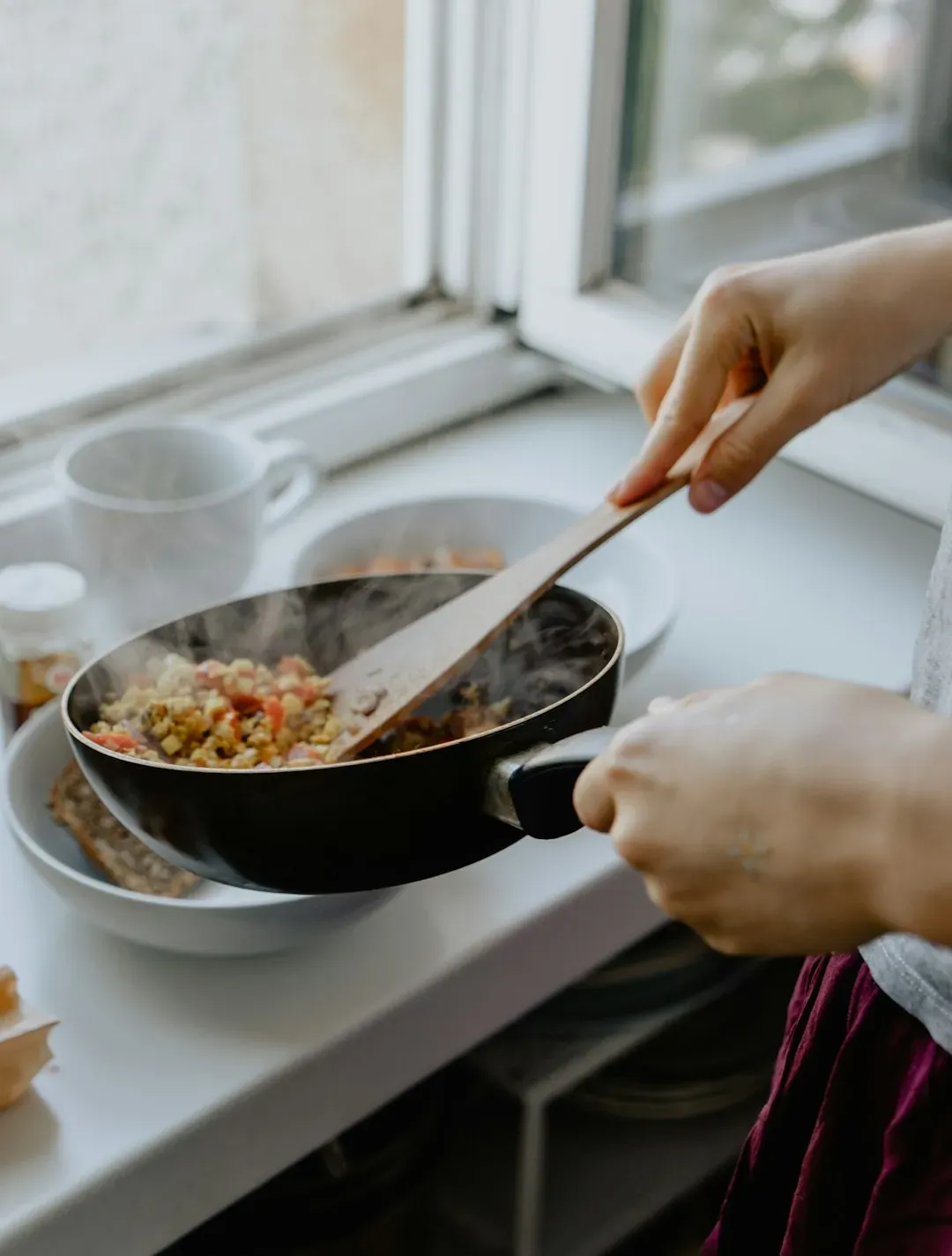
It’s tempting to dismiss the heritage food revival as pure nostalgia, but the data tells a more interesting story. According to analysis of the American Time Use Survey spanning 2003 to 2023, the percentage of men who cook increased from roughly one third to over half during that period, while the percentage of women who cook also rose measurably. More Americans than ever are actively cooking. Heritage recipes are meeting them right where they are.
Affordability, control over ingredients or flavors, and health are the top reasons Americans are choosing to make meals at home, whether from scratch or with a little help from prepared ingredients. Heritage recipes check all three of those boxes simultaneously. They’re economical, transparent in their ingredients, and rooted in real food rather than processed shortcuts.
From smashed burgers and regional comfort bowls to protein-packed meals, the trend shows that diners are craving fusions of past traditions and modern flavors. Familiar favorites are being reimagined with fresh influences, while wellness and affordability remain top of mind for consumers. The old and the new aren’t competing. They’re collaborating. And honestly, it’s producing some of the most exciting food conversations America has had in years.
The Role of Scratch Cooking in Bringing These Dishes Back

Home cooks are still preparing quite a few meals at home, averaging roughly eight meals per week from scratch, using around seven ingredients for typical weeknight meals. That’s not a country that has abandoned cooking. That’s a country that’s deeply engaged with it. Heritage recipes thrive in exactly that environment because they were designed for exactly that kind of regular, ingredient-focused cooking.
Preparing a dish passed down through generations offers a tangible connection to each cook’s heritage, anchoring individuals in their family’s history. At the same time, this revival mirrors broader societal trends, like the farm-to-table movement and the renewed appreciation for handmade goods. It’s hard to say for sure exactly when this shift accelerated, but most food observers point to the pandemic years as the turning point that never really turned back.
Culinary Tourism and Cookbooks Are Fueling the Fire
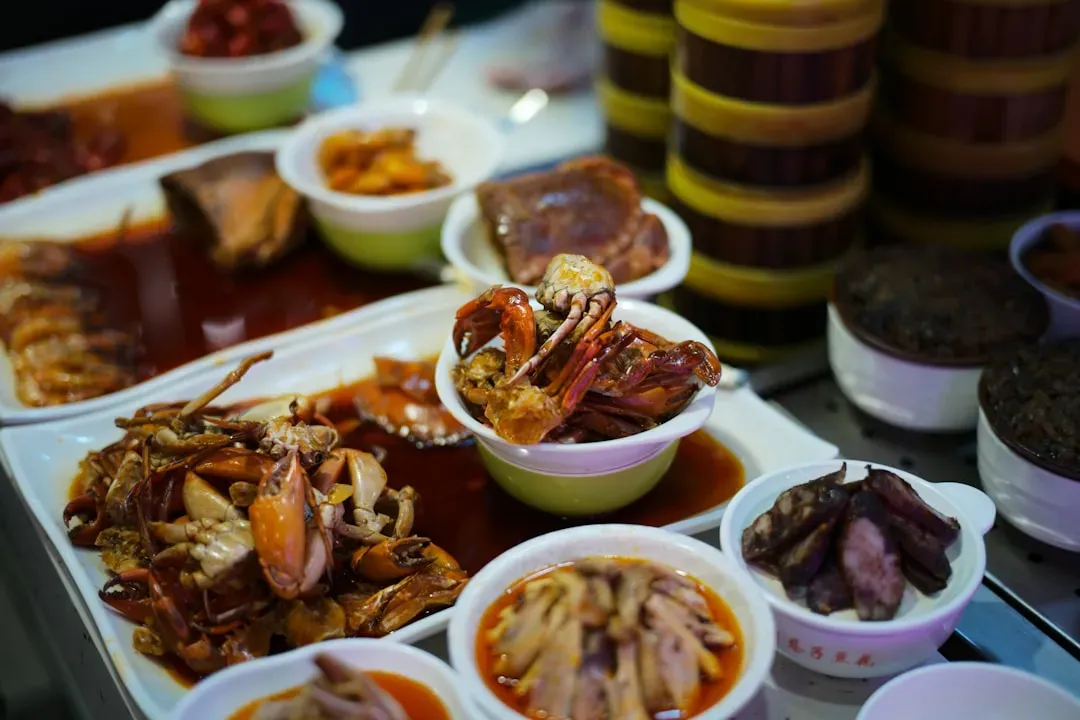
Beyond home kitchens and restaurants, there’s another engine driving this revival: travel and publishing. Cookbooks focused on American regional cuisine have seen renewed attention, with publishers reporting increased sales of titles centered on Appalachian, Creole, and Midwestern traditions in 2024. Travelers are increasingly seeking out regional food experiences as a core part of their trips, boosting demand for traditional recipes in restaurants and food festivals alike.
Comfort foods, described as familiar classics like soups, stews, and hearty mains, offer diners a sense of nostalgia and emotional connection. Meanwhile, operators are balancing creativity and cost by delivering satisfying meals that remain affordable for price-conscious diners. Heritage dishes fit both the travel dining experience and the everyday kitchen perfectly. That’s a rare and valuable overlap.
While rising economic pressures and cultural shifts contribute to unease and instability, many Americans are turning to the familiar dishes of their childhoods. Rooted in traditions of the past, these recipes offer more than a meal. They evoke memories of family gatherings, grandmother’s favorite recipes, and simpler, more grounded times. In a complicated world, that’s not a small thing. That’s actually quite a big thing.
Conclusion: The Past Is the Best Recipe for Right Now
What’s happening with American heritage recipes isn’t a fad. It’s not TikTok chasing a temporary aesthetic. It’s a genuine cultural recalibration, a collective decision to reach back toward something nourishing and real in a world that often feels overwhelming and disposable. These eight dishes, from cornbread to peach cobbler, from meatloaf to shrimp and grits, didn’t survive generations by accident. They survived because they work. Deeply, fundamentally, deliciously work.
The evidence from 2023 through 2025 is clear: more Americans are cooking at home, searching for classic recipes, frequenting restaurants that serve heritage dishes, and buying cookbooks rooted in regional tradition. That’s not nostalgia. That’s a preference. A confident, informed preference for food with a story behind it.
So the next time someone tells you that American food culture is shallow or trend-obsessed, point them toward a bowl of chicken and dumplings or a skillet of fresh cornbread. Some things are popular because they deserve to be. What heritage recipe would you want to see make the biggest comeback of all?