
The Refrigerator
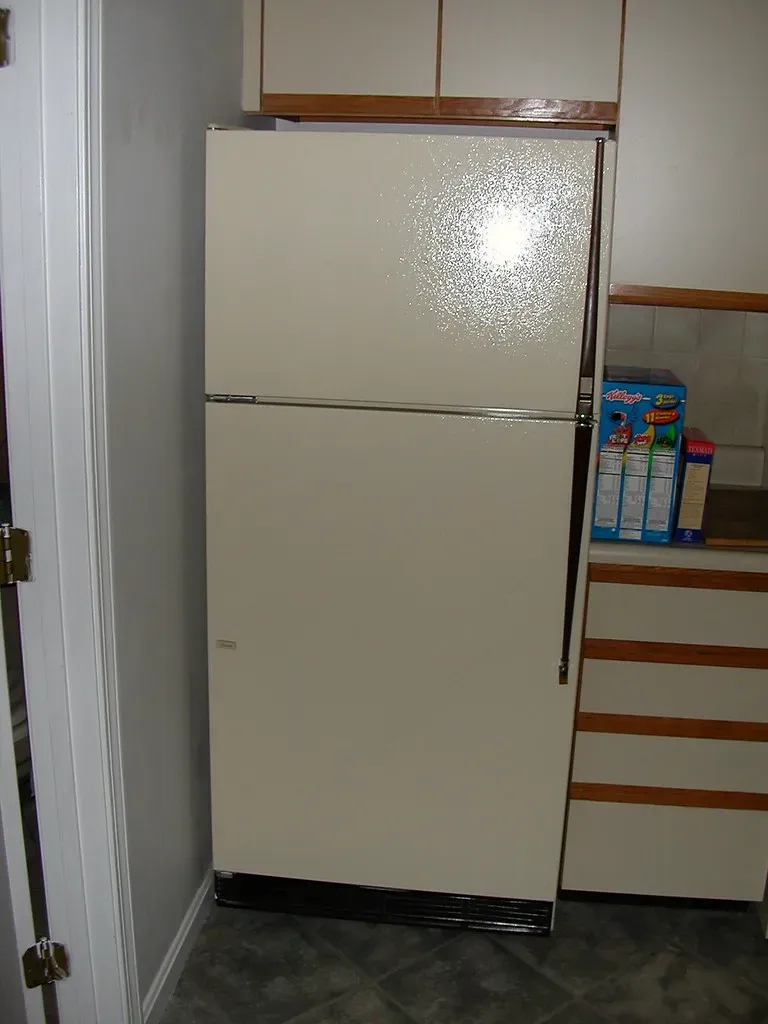
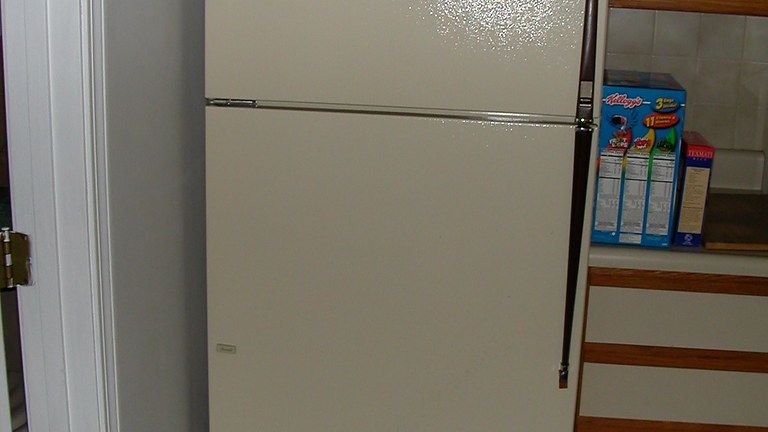
In the 1930s, many Americans happily began giving up their ice boxes filled with blocks of melting ice for newly affordable electric refrigerators, a shift that happened faster than almost anyone anticipated. Refrigerators were adopted faster than just about any other technological innovation of the 20th century, making their debut in the teens, and 30 years later, over half of Americans had them. Thanks to electric refrigeration, Americans were able to store more food, longer, and this flexibility of when and what we eat has become an integral part of the American diet. An enormous amount of women’s time once went into preserving perishable foods through pickling or drying, and refrigeration essentially eliminated that labor.
The Vacuum Cleaner
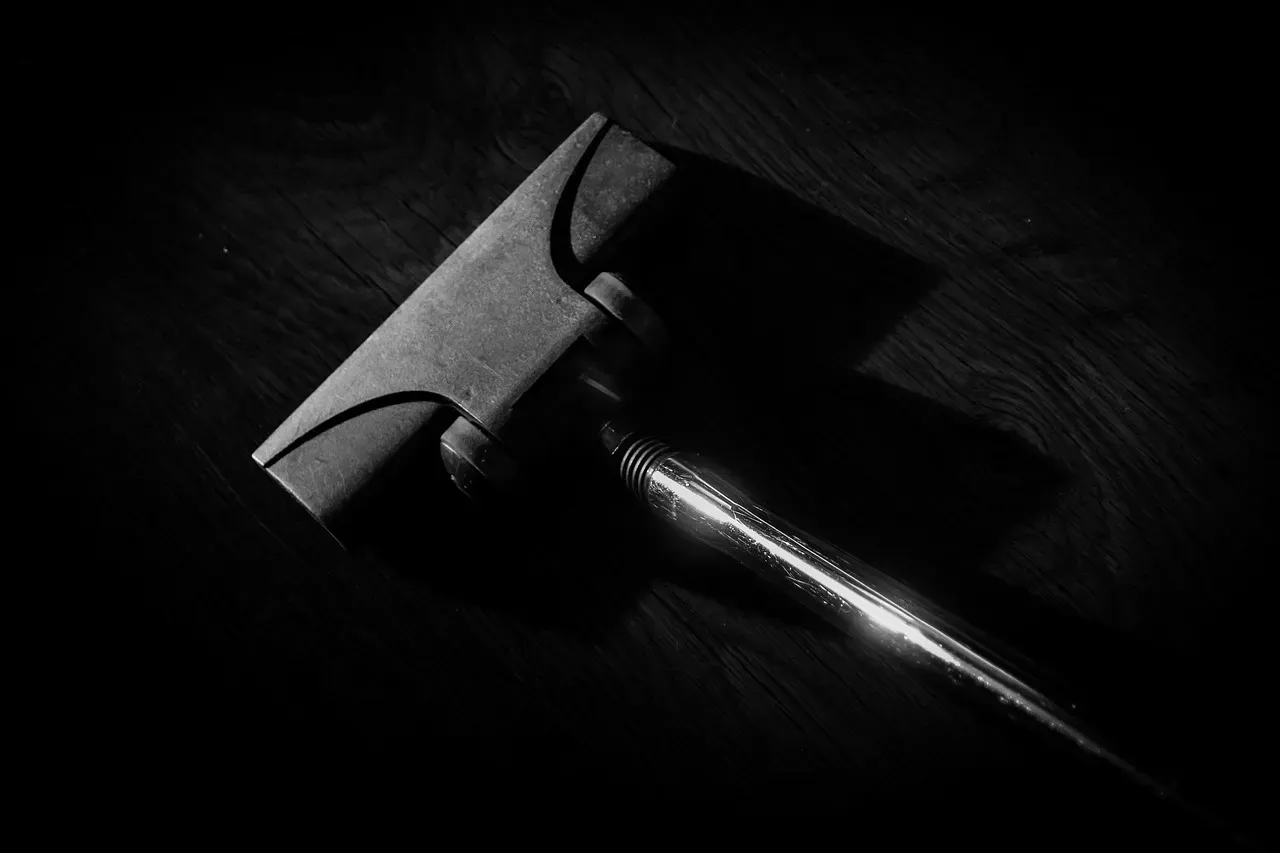
The first manual vacuum cleaners were invented in the USA in the 1860s, but electrically powered ones were not developed until around the period 1899 to 1901, with the US vacuum cleaner industry established in the period from 1903 to 1913. The mass urbanization and industrialization of the mid nineteenth and early twentieth centuries in the United States brought poverty, poor sanitation, and environmental pollution all helping to let loose the highly contagious disease of consumption, or tuberculosis. During the Progressive Era, as fears about dust, germs, and tuberculosis increased, early vacuum cleaners gained popularity as more than just cleaning devices. They represented a public health solution for anxious homeowners determined to protect their families from invisible threats lurking in carpets and upholstery.
The Electric Toaster
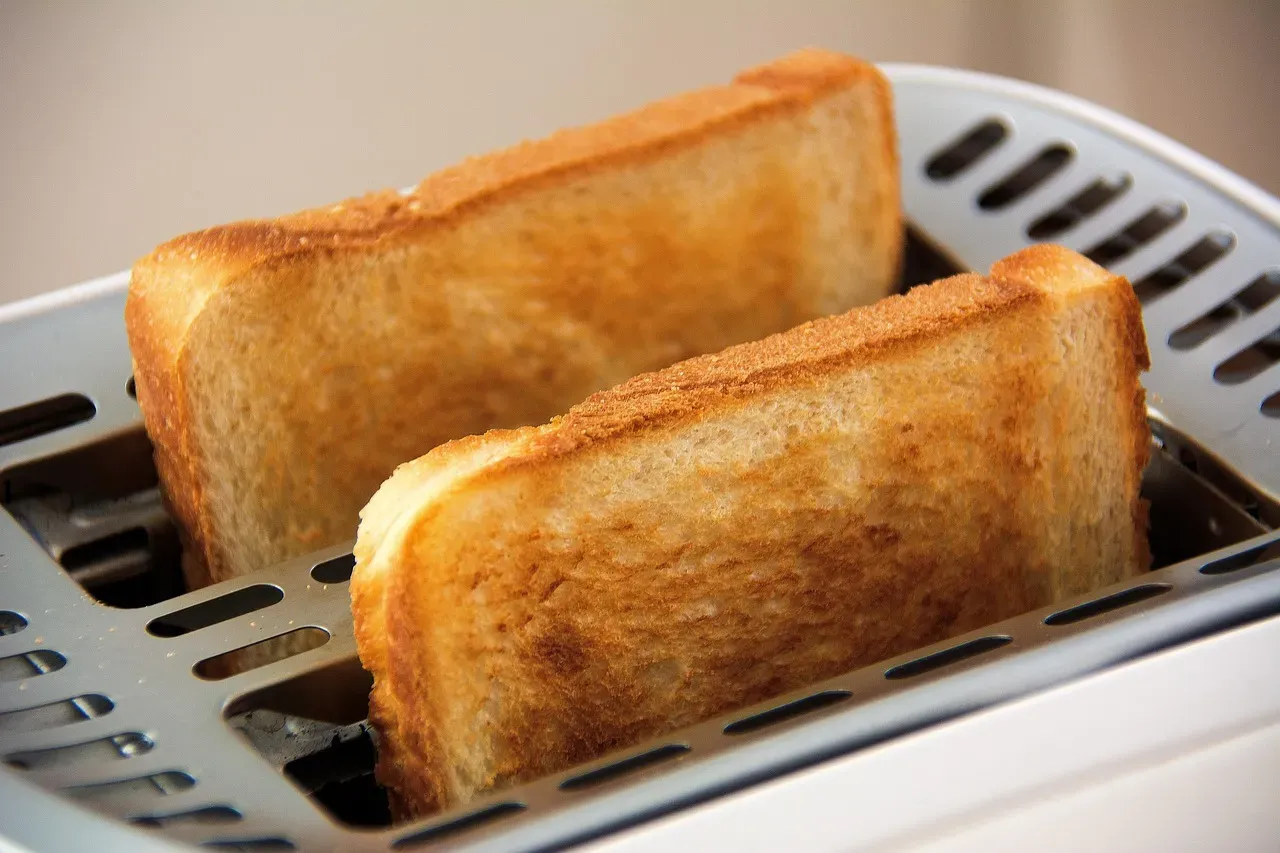
Early electric toasters were promoted to reduce fire hazards compared to stovetop toasting methods common in American homes. Before electricity became standard, families toasted bread by holding it over open flames or placing it on hot stovetops, creating genuine fire risks in wooden homes. Models from 1938 were key examples of wild experimentation in toaster design, developed in an age where new technologies were romanticized within the home. The shift to electric toasters represented not just convenience but a genuine safety improvement that transformed breakfast preparation across America.
The Light Switch
The United States National Electrical Code (NEC) specifies minimum acceptable wiring methods and materials for many states and municipalities, sponsored by the National Fire Protection Association (NFPA) and periodically revised since 1897. The American standard for light switches and electrical sockets has existed for many years, with the North American Electrical Code first published in 1897, the standard for light switches around since the early 1900s, and the standard for electrical sockets around since at least the 1930s. The adoption of standardized light switches helped normalize electrical wiring practices in American housing, creating uniformity that allowed electricians to work efficiently and homeowners to replace components confidently without specialized knowledge.
The Washing Machine
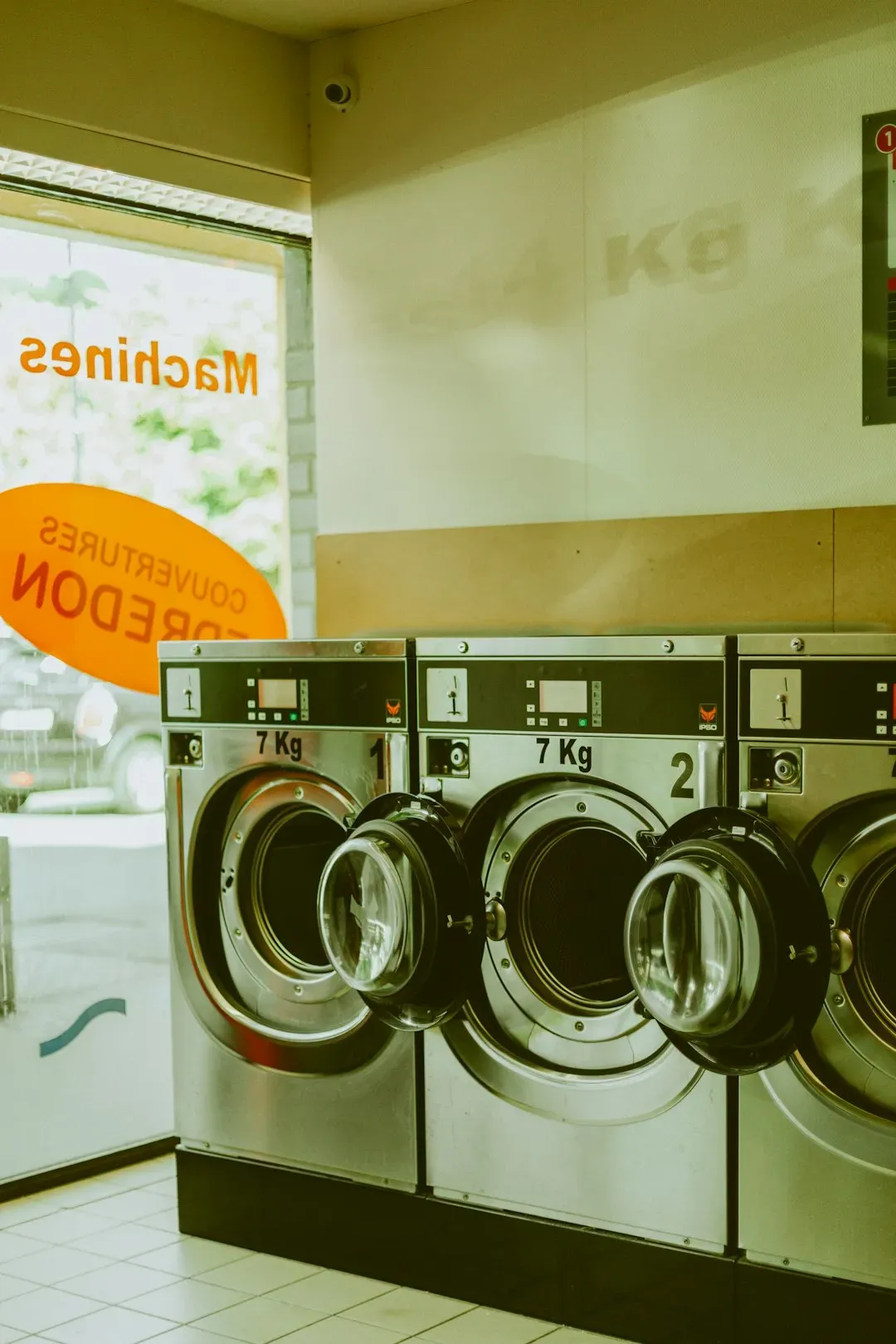
Before running water and electricity, a single load of laundry could take four hours to wash, but with the advent of mechanical appliances, like the washing machine, that dropped to 41 minutes. Though mechanical washing machines were available as early as 1869, this invention really took off only with the development of the electric motor, and in 1900, 98 percent of households still used a 12-cent scrub board to wash their clothes. Research shows that in the average county, women’s labor force participation increased by 4 percentage points between 1940 and 1950, which led to a 25 percent increase in appliance adoption. The acquisition of washing machines, dryers, and refrigerators explains 40% of the increase in US female labor participation between 1960 and 1970.
The Smoke Detector
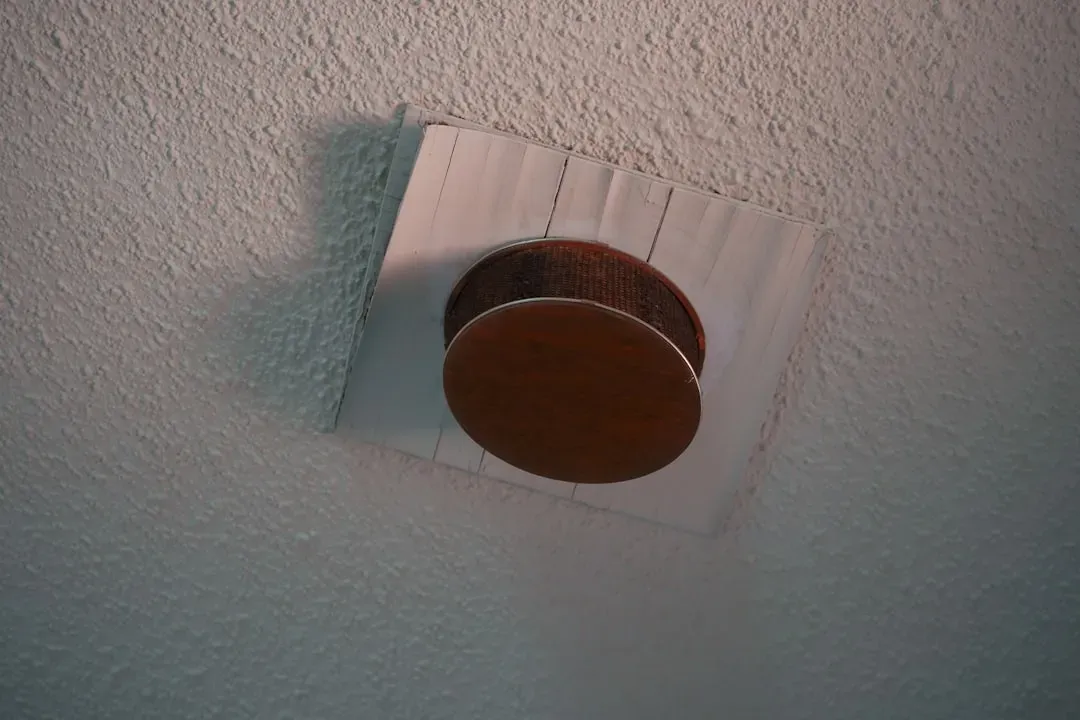
Smoke detection technology benefited from Cold War-era research into particle detection and air monitoring systems, according to National Fire Protection Association historical briefs. The same scientific advances that helped government agencies detect radioactive particles in the atmosphere were adapted for civilian use, transforming home safety. What began as military and scientific instrumentation designed to monitor nuclear fallout became a household staple that has saved countless lives. This unexpected civilian application of defense research demonstrates how wartime innovation often finds its way into everyday American life in surprising ways.
The Microwave Oven
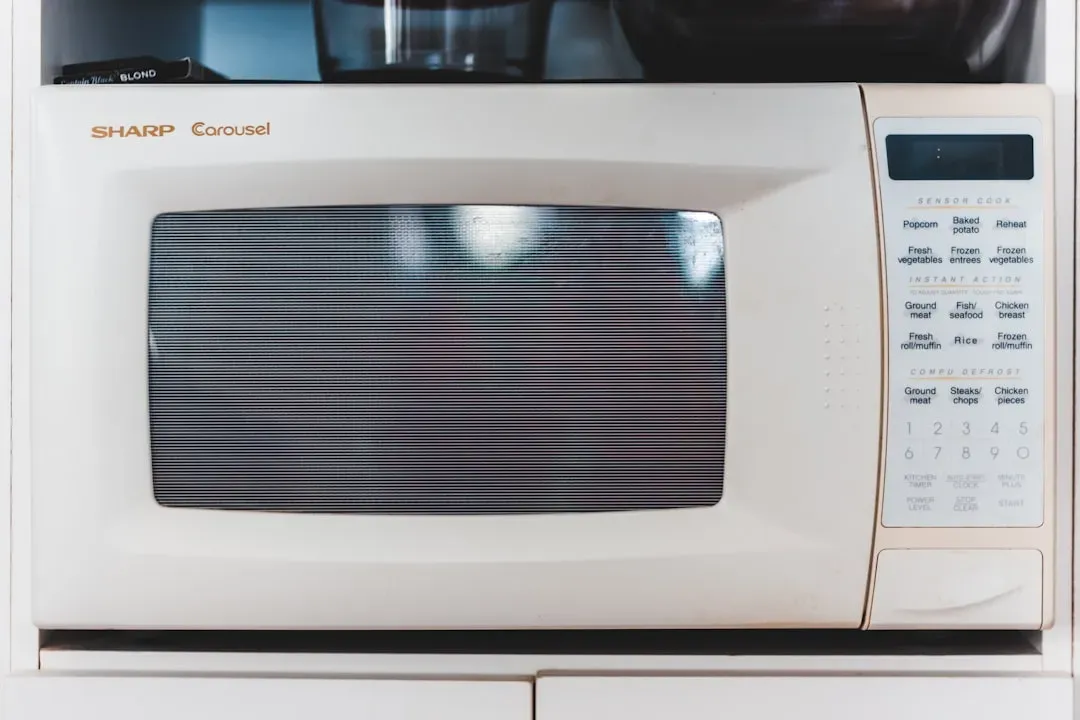
Microwave cooking technology emerged from radar research during World War II, later adapted for American households by the 1960s, according to U.S. Department of Defense historical archives. Engineers working on military radar systems noticed that microwaves could heat food when a chocolate bar melted in a researcher’s pocket near active radar equipment. This accidental discovery led to decades of development before microwave ovens became affordable and compact enough for home kitchens. The technology that once helped detect enemy aircraft eventually transformed how millions of Americans prepared meals, turning a defense tool into a symbol of convenience culture.
The Pressure Cooker
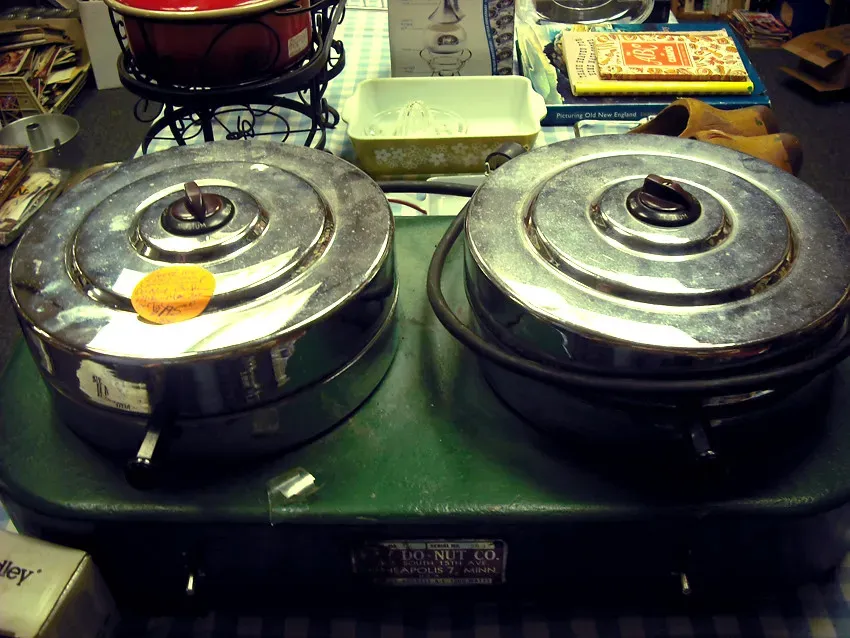
Pressure cookers became popular in the U.S. during World War II as families sought fuel-efficient cooking methods under rationing, according to updated exhibits at the Smithsonian. With coal, gas, and electricity carefully rationed for the war effort, American households needed ways to prepare meals that consumed less energy and cooked food faster. Pressure cookers solved both problems simultaneously, allowing families to prepare nutritious meals while conserving precious resources for military production. What had been a relatively niche kitchen device became an essential tool of wartime domestic economy, demonstrating American ingenuity and adaptability during national crisis.