
America boasts over 10,000 state parks, forming one of the world’s largest public land networks, according to the National Association of State Park Directors. These spots rack up more than 800 million visits annually, dwarfing national park crowds. Still, hidden treasures lurk with epic views minus the chaos. Let’s dive into eight that deserve your next road trip.
Valley of Fire State Park, Nevada
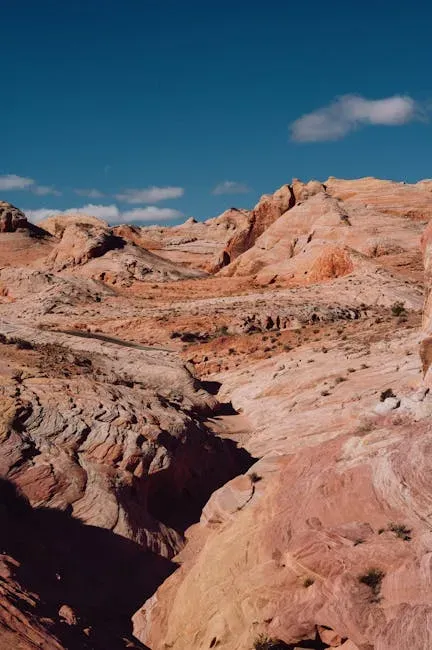
Nevada’s oldest state park, established back in 1935, sprawls across 46,000 acres of vibrant red Aztec sandstone that glows like fire at sunset. Ancient petroglyphs etched by Paiute people add a layer of mystery to the swirling rock formations. Hikers wander narrow slot canyons and past wave-like dunes, feeling worlds away from Vegas lights. The park stays remarkably uncrowded, letting you soak in the surreal landscape solo.
Permits keep visitor numbers manageable, preserving that wild feel. Spring wildflowers can transform the desert after rains, drawing photographers from afar. Nevada State Parks data highlights its timeless appeal without the hype. Honestly, it’s like stepping into a sci-fi movie set, but real.
Custer State Park, South Dakota
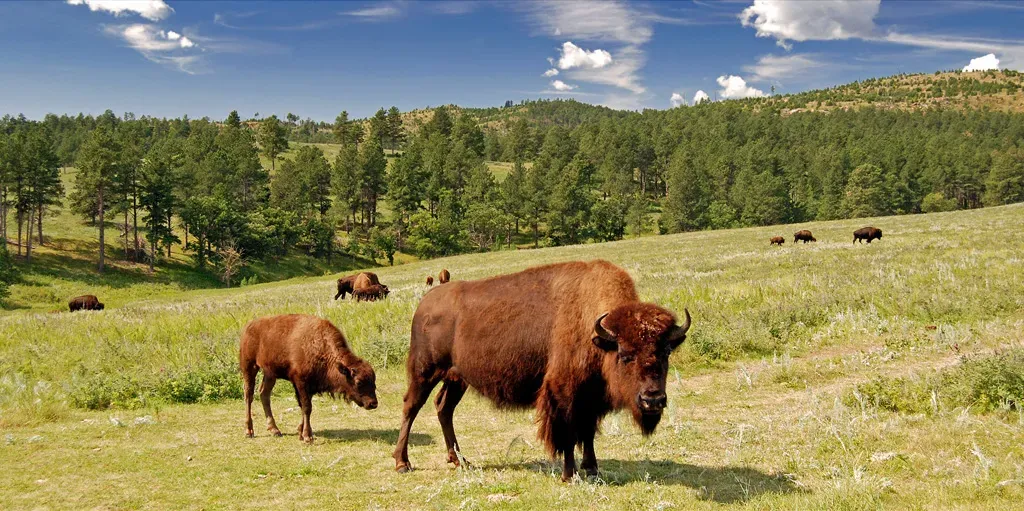
Tucked in the Black Hills, this 71,000-acre wonder hosts one of the largest publicly owned bison herds, around 1,300 strong, roaming free across grassy plains. Wildlife safaris here rival any African plain, with pronghorn, burros, and elk popping up unexpectedly. Towering granite spires like Sylvan Lake’s needle draw climbers and kayakers alike. Park roads wind through pine forests, offering drives as scenic as any national byway.
The bison roundup each fall draws locals but keeps tourist mobs at bay. South Dakota Game, Fish and Parks notes the herd’s health as a conservation win. I think it’s the perfect spot to trade tent for lodge, grilling under star-packed skies. Few places match this raw, untamed vibe.
Letchworth State Park, New York
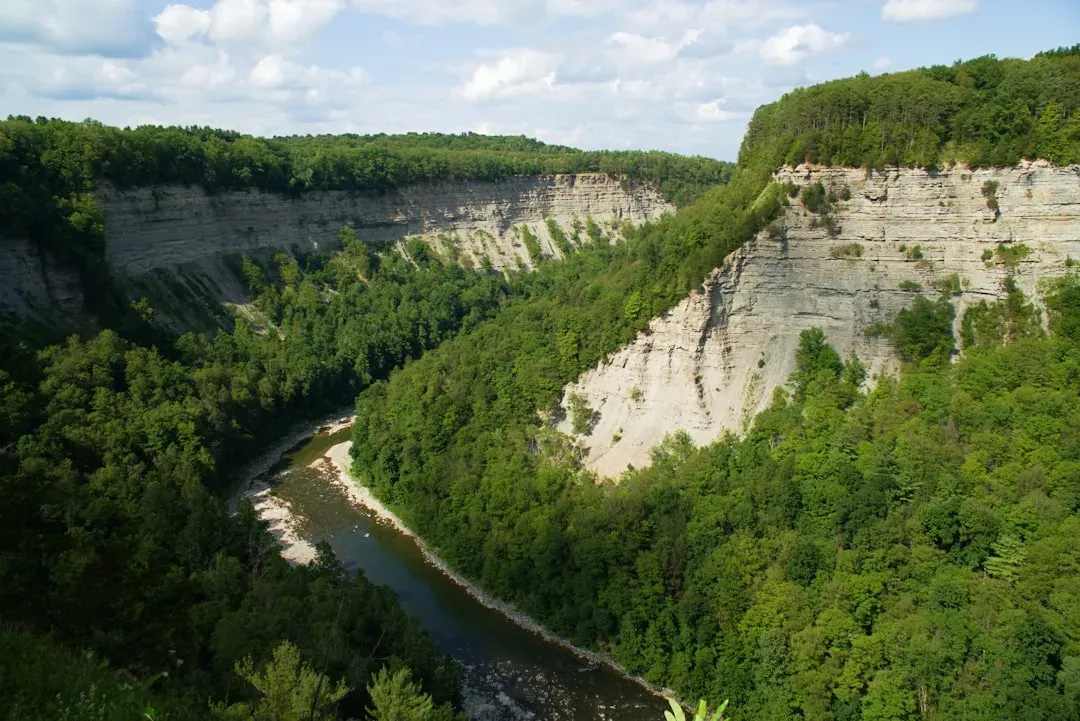
Dubbed the Grand Canyon of the East, its 17-mile gorge along the Genesee River plunges with cliffs up to 600 feet high, carved by Ice Age floods. Three major waterfalls thunder through, especially after spring melts, with trails hugging sheer drop-offs. Hot air balloon rides lift you above the misty chasm for unbeatable panoramas. New York State Parks saw over 1 million visitors here in 2024, per Governor Hochul’s office, yet it feels intimate.
Autumn foliage turns the ravine into a fiery palette, rivaling New England classics. Cabins and glamping options make extended stays tempting. The park’s trails link to historic sites, blending nature with pioneer lore. It’s shocking how this powerhouse stays off most bucket lists.
Hocking Hills State Park, Ohio
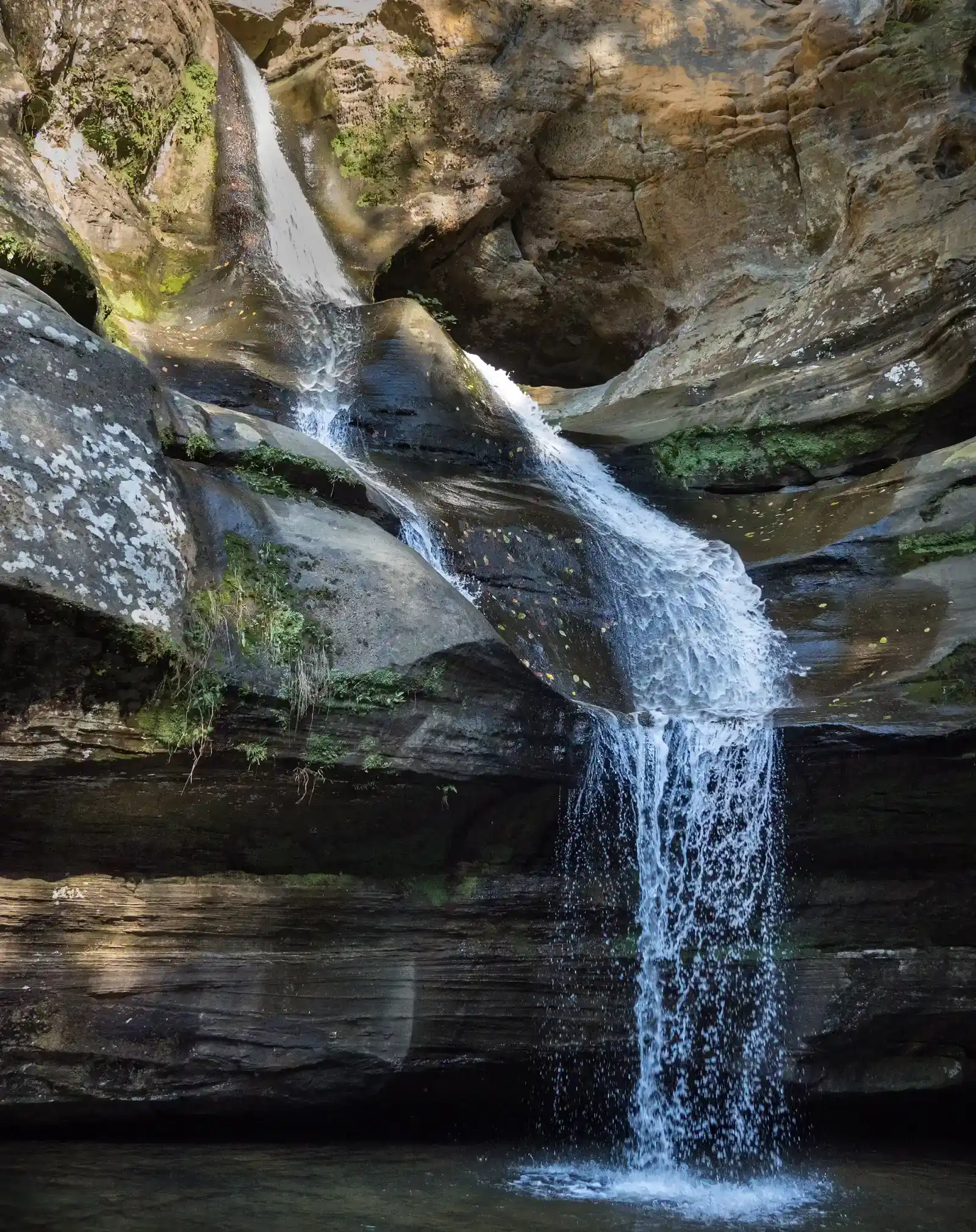
Sandstone caves like Old Man’s Cave yawn dramatically, with waterfalls cascading into recessed grottos year-round. The region pulls over 4 million visitors annually, reports the Ohio Department of Natural Resources, but spreads them across vast hemlock forests. Ziplines and rock bridges add adventure to hikes through recessional arches. Cedar Falls’ 50-foot drop is a photographer’s dream, framed by lush ferns.
Winter ice formations turn trails into a frozen wonderland, minus summer swarms. Cantwell Cliffs offer solitude for those dodging crowds. Here’s the thing: it’s Ohio’s best-kept secret for Midwest magic. Caves echo with quiet, pulling you deeper into the earth.
Dead Horse Point State Park, Utah

Perched 2,000 feet above a gooseneck bend in the Colorado River, the overlook stuns with vistas echoing Canyonlands National Park nearby. Red rock fins and distant La Sal Mountains paint a postcard daily. Mountain biking loops challenge pros on slickrock, while easy rim trails suit all. Utah State Parks logged 1.14 million visits in 2024, far below neighboring national park chaos.
Sunset turns the canyon golden, a sight that lingers long after. Kayak tours on the river below add thrill from water level. The name’s legend ties to stranded wild horses, adding eerie history. Low crowds mean prime stargazing from cliff edges.
Silver Falls State Park, Oregon
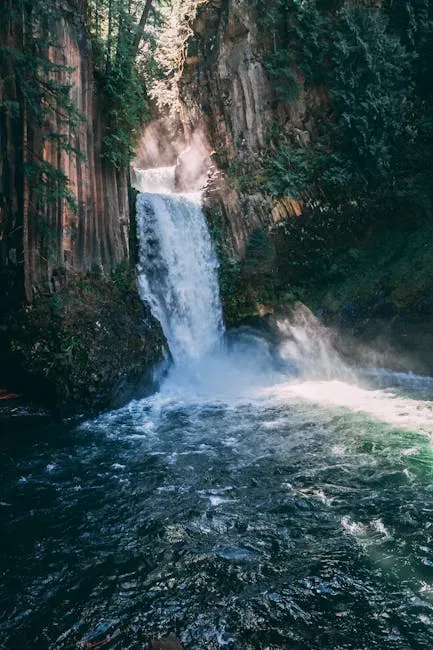
The Trail of Ten Falls packs a punch, looping past ten major waterfalls in lush old-growth forest, some over 100 feet tall. Walk behind roaring curtains at South and Middle Falls, a rare treat dampening your senses. Oregon State Parks call it nationally recognized, drawing about 1.2 million yearly without feeling overrun. Fern-lined paths weave through basalt canyons, misty air alive with birdsong.
Fall mushrooms and spring blooms heighten the magic seasonally. Group camps and lodges cater to families seeking unplug. It’s hard to say for sure, but this might be America’s waterfall jackpot. Trails vary from easy boardwalks to rugged loops.
Anza-Borrego Desert State Park, California
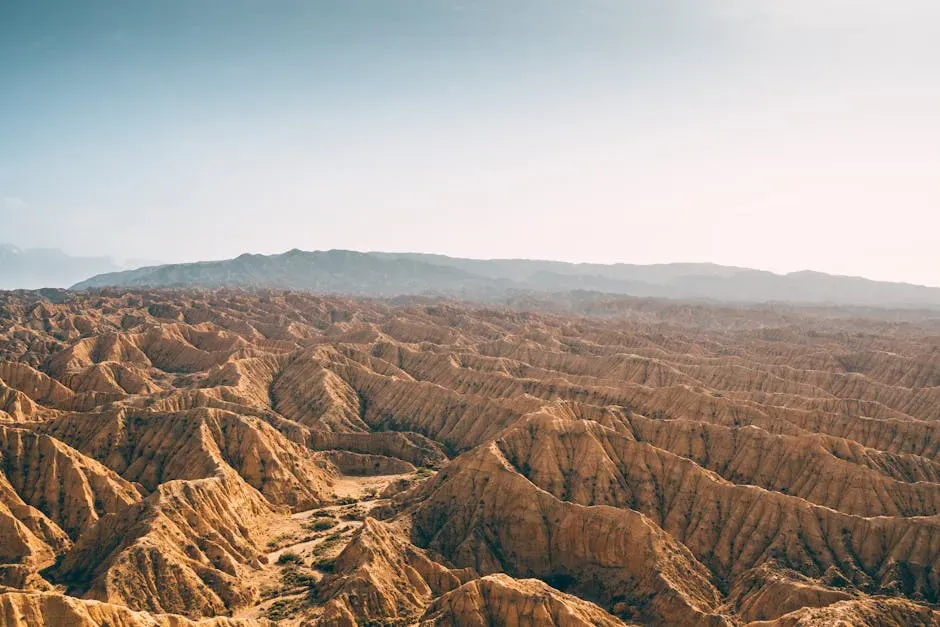
California’s largest state park blankets 585,000 acres of badlands, slot canyons, and palm oases, dwarfing many national parks. Superblooms after wet winters explode with desert lilies, pulling thousands briefly. Metal elephant trees twist in surreal shapes amid borrego badlands. California State Parks emphasize its biodiversity, from bighorn sheep to rare toads.
Stargazing rivals any dark sky site, with no light pollution. Backcountry roads lead to painted canyons glowing at dawn. Wildflowers peaked in 2023 rains, per ranger reports. Vastness ensures solitude even in peak season.
Kodachrome Basin State Park, Utah
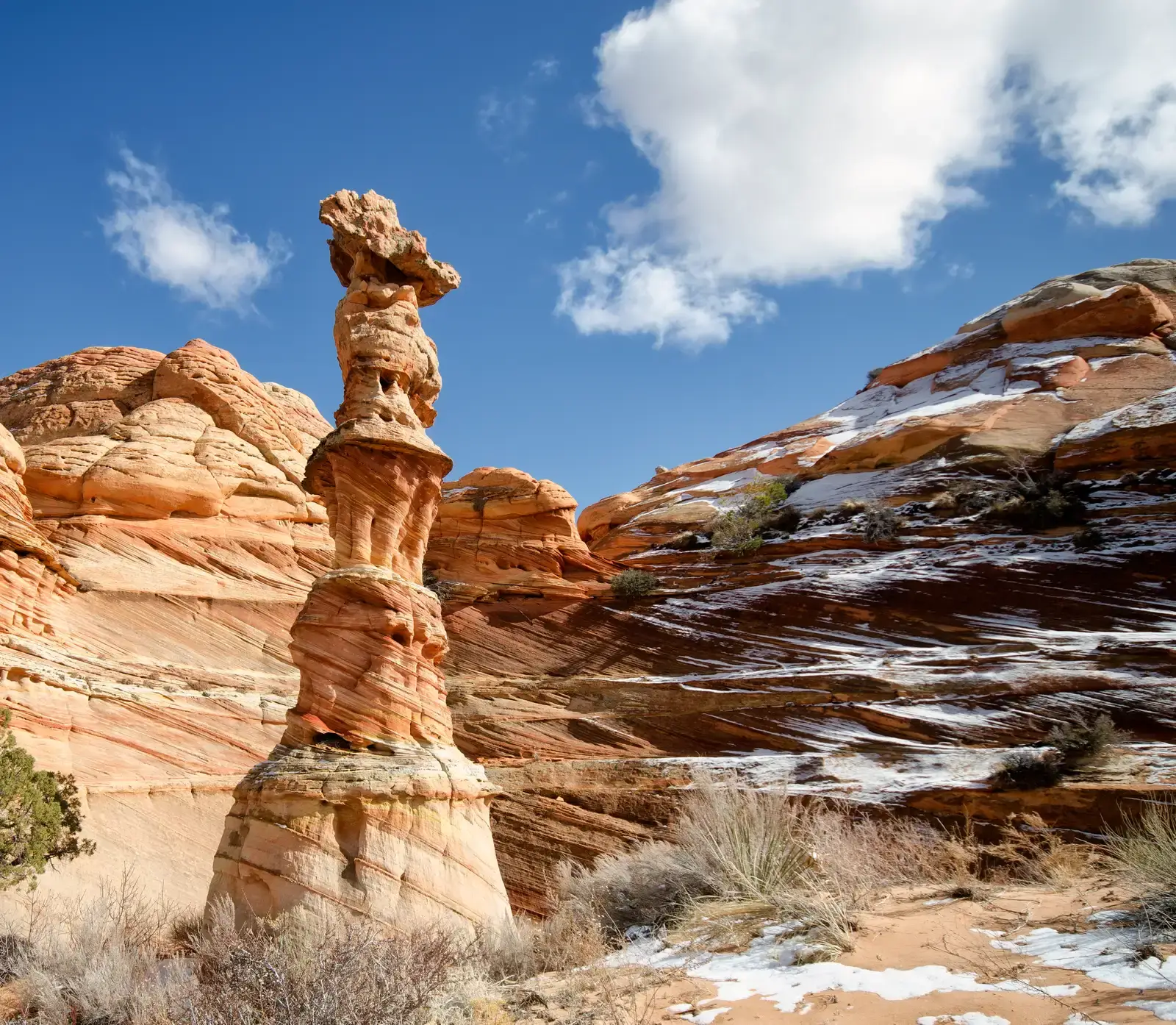
Sixty-seven towering sedimentary pipes, some 170 feet tall, pierce multi-hued sandstone revealing 180 million years of geology, named by National Geographic for vivid colors. Just 2,240 acres pack arches, caves, and fossil beds into a Bryce alternative. Utah State Parks report under 180,000 visitors from mid-2024 to mid-2025, versus millions at nearby canyons. Trails like Panorama loop offer sweeping views minus mobs.
Angels Palace overlook rewards short hikes with epic panoramas. Warm summers suit swimming in natural pools. It’s like a mini Bryce, but peaceful. Perfect for photographers chasing golden hour glow.