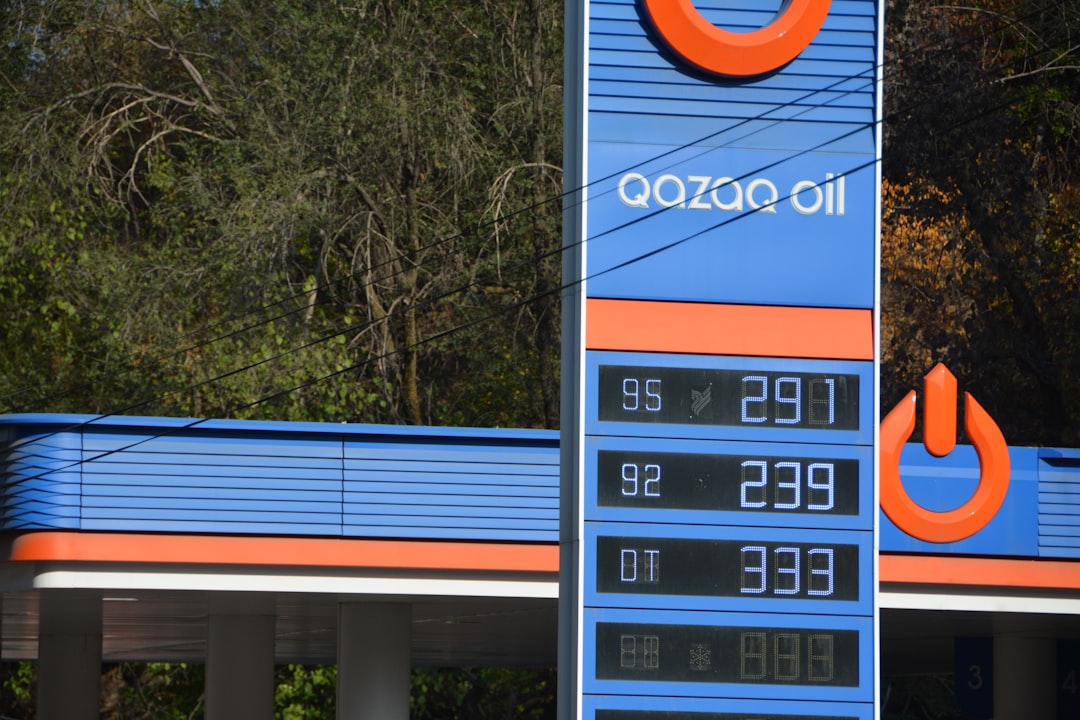
Nearly All Postwar Recessions Followed Oil Spikes (Image Credits: Unsplash)
Crude oil prices have climbed sharply in recent weeks amid escalating tensions in the Middle East, edging closer to a level long associated with economic strain for American families.[1][2]
Nearly All Postwar Recessions Followed Oil Spikes
Economist James D. Hamilton identified a pattern decades ago: sharp rises in oil prices preceded almost every U.S. recession since World War II.[3] His research showed that ten out of eleven downturns came after such increases, with only the 1960 recession as an exception.[4]
Hamilton’s analysis highlighted how these shocks disrupted consumer spending and industrial activity. The 1973-75 recession followed the Arab oil embargo, while the 1981-82 downturn coincided with the Iran-Iraq War fallout. More recently, the 2007-08 price surge to over $140 per barrel contributed significantly to the Great Recession, slowing GDP growth and hammering auto sales.[5]
Recent commentary has dubbed this dynamic the “Hamilton Trigger,” a signal that oil nearing $95 per barrel could hit households particularly hard.[6]
What Defines the $95 Threshold?
Hamilton’s models link oil price jumps to lagged effects on GDP, with impacts peaking three to four quarters later. A doubling of prices, as seen in 2007-08, shaved points off growth and turned sluggish periods into full recessions.[5] The $95 mark emerges in current discussions as a psychological and economic tipping point, where costs begin to bite deeply into disposable income.
West Texas Intermediate crude hovered around $80 per barrel on March 6, down slightly from recent highs but up substantially year-to-date amid supply fears.[2][7] Disruptions like those linked to Iran have fueled the rally, with analysts eyeing $80 to $100 if tensions persist.[8]
Household Budgets Feel the Pinch First
Families allocate about 4-5% of spending to energy, but surges amplify the burden. A $1 per gallon gasoline hike strips $140 billion from annual U.S. purchasing power, curbing discretionary outlays.[5] Higher crude feeds into heating, transportation, and food costs, eroding confidence and slowing retail sales.
Auto sectors suffer most. In past episodes, vehicle purchases plummeted, subtracting up to 0.5% from GDP. Job losses in manufacturing followed, with 125,000 shed in autos during 2007-08 alone.[5]
- Gasoline prices rise directly with crude, hitting commuters hardest.
- Heating oil costs climb, straining winter budgets in northern states.
- Freight expenses increase, pushing up grocery and goods prices.
- Consumer sentiment dips, delaying big-ticket buys like cars and appliances.
- Lower-income households cut back first, widening inequality gaps.
Ripple Effects Threaten Growth
Beyond homes, businesses face higher input costs, squeezing margins in energy-intensive industries. Inflation ticks up, complicating Federal Reserve rate decisions.[9] A sustained 10% oil rise could add nearly 30 basis points to headline CPI, per some estimates.
Historical data underscores the risk:
| Recession Start | Prior Oil Spike (%) | GDP Impact |
|---|---|---|
| 1973-75 | +300 | Severe |
| 1981-82 | +150 | Deep |
| 1990-91 | +100 | Mild |
| 2007-08 | +100 | Contributing |
Today’s economy shows resilience from shale production and efficiency gains, yet vulnerabilities remain if supply tightens further.
Key Takeaways:
- Oil shocks historically precede recessions via spending cuts.
- $95/barrel risks amplifying inflation and slowing growth.
- Geopolitical flares could push prices higher quickly.
While forecasts vary, with some seeing averages below $70 later in 2026, the path to $95 bears watching.[11] Vigilance on global supply chains offers the best defense. What do you think about rising oil’s threat? Tell us in the comments.