The Myth That Climate Change Is Just a Natural Cycle
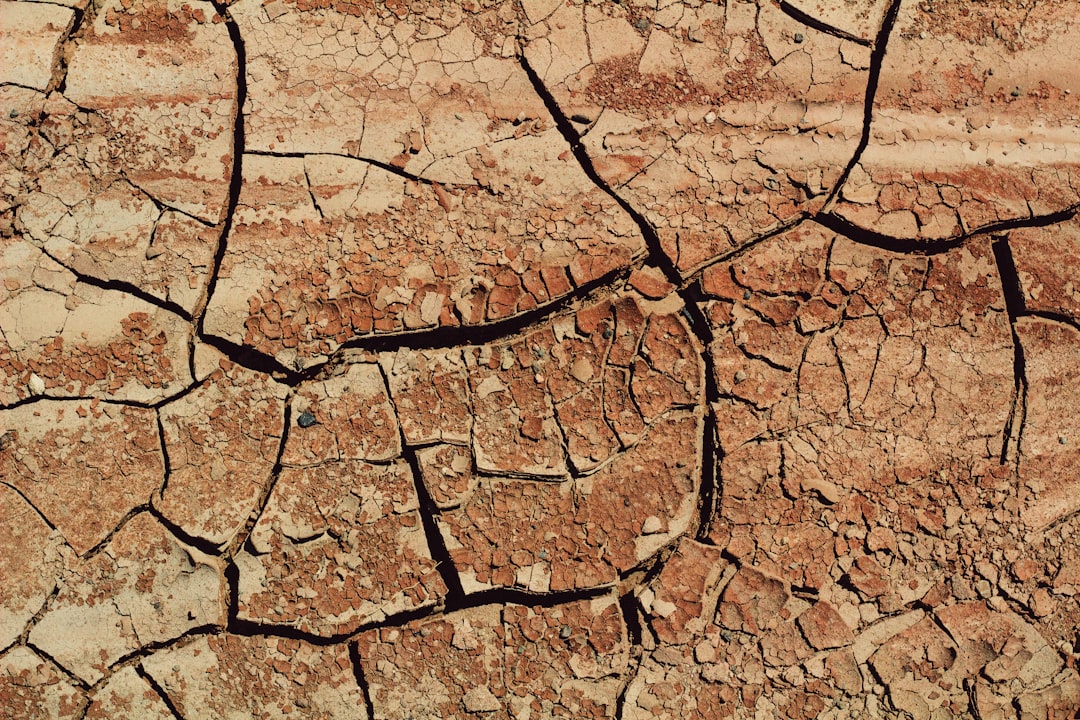
Many people still believe that climate change is just part of Earth’s natural rhythm, like the changing seasons. This idea has been repeated for years, sometimes by politicians or celebrities who want to avoid hard conversations. But is it true? In fact, scientific data shows a sharp spike in global temperatures since the Industrial Revolution, which doesn’t match past patterns. According to NASA, the ten warmest years on record have all happened since 2010. This rapid increase cannot be explained by natural cycles alone. Ice core data from Antarctica shows current carbon dioxide levels are the highest in at least 800,000 years. The evidence points directly at human activity—especially burning fossil fuels—as the main driver.
“It’s Too Late to Do Anything”

There’s a paralyzing sense of doom that’s crept into climate conversations—many people think we’ve already hit the point of no return. But that’s not what most climate scientists are saying. The 2023 IPCC report makes it clear: every fraction of a degree we prevent still matters. Efforts to reduce emissions now can blunt the worst impacts. For example, in 2024, the European Union cut emissions by 4% compared to the previous year, showing that change is possible with strong policy. Renewable energy is growing faster than ever, with solar and wind together producing almost 30% of global electricity in 2025. There’s still a window, and it’s not closed yet.
“Individual Actions Don’t Make a Difference”
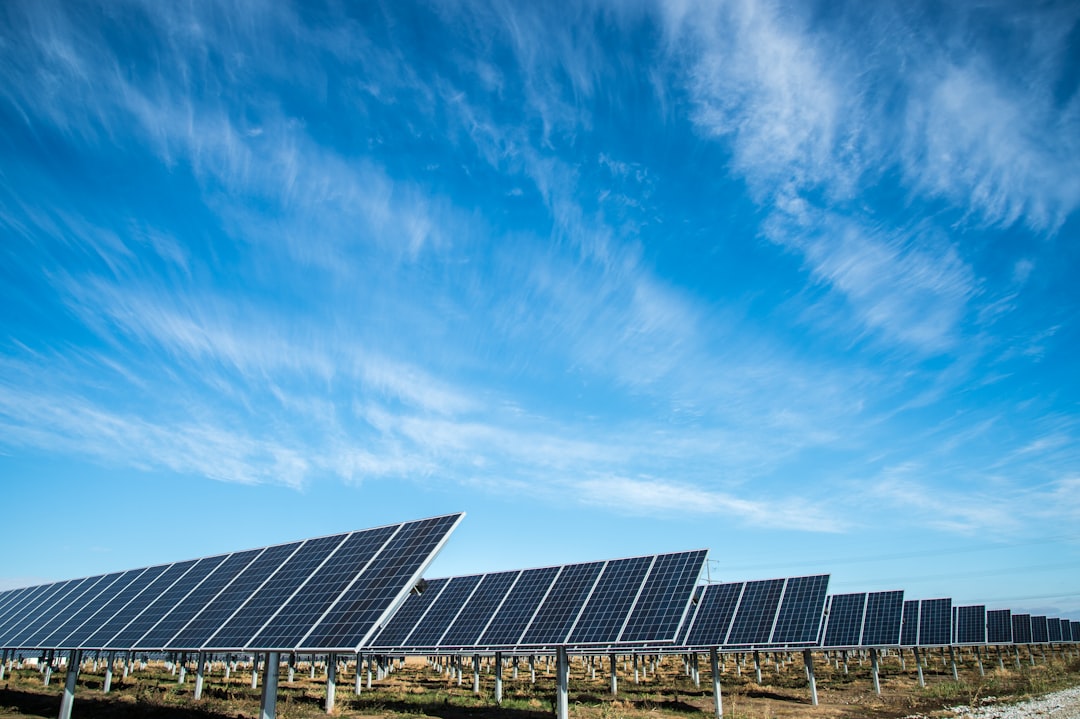
Some argue that small personal choices—like biking to work or eating less meat—are pointless drops in the ocean. But statistics suggest otherwise. According to a 2025 study from the University of Oxford, if every person in the U.S. reduced their meat consumption by just one meal a week, it would cut greenhouse gas emissions by the same amount as taking 10 million cars off the road. The spread of home solar panels has also made a measurable dent in demand for coal power in places like California and Germany. While systemic change is needed, collective action adds up.
The Fossil Fuel Industry’s “Clean Coal” Campaign
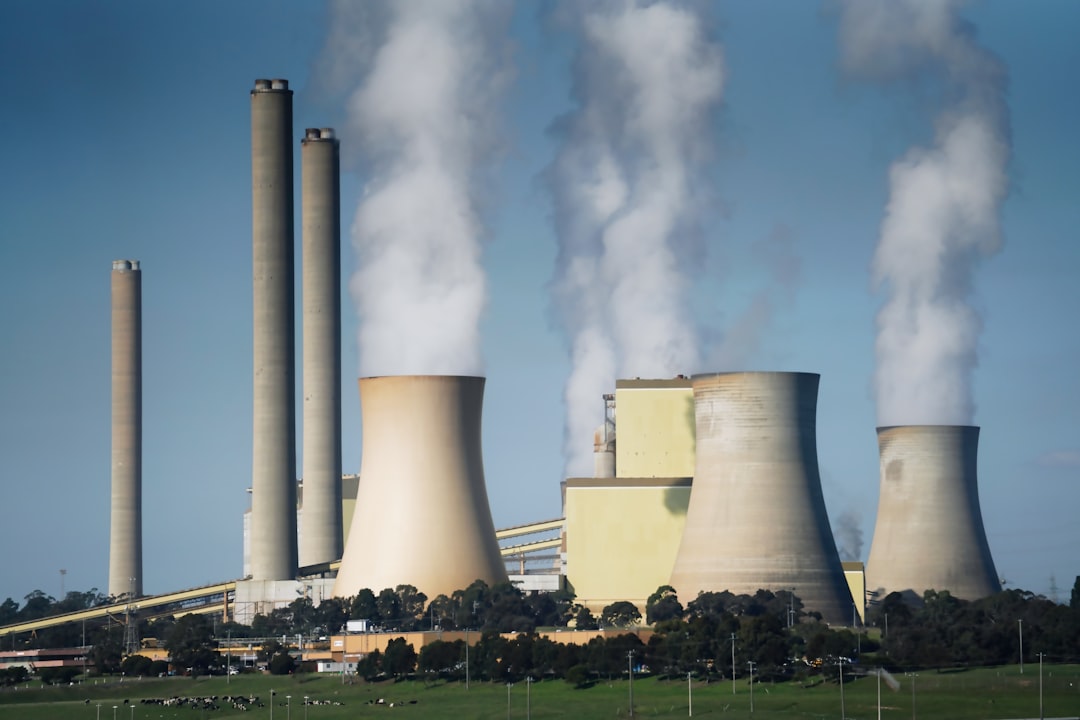
For years, fossil fuel companies spent billions promoting “clean coal” as a climate solution. Advertisements promised that new technology could capture and store emissions, making coal safe again. But in reality, almost all “clean coal” projects have failed to deliver. According to the Global CCS Institute, only a handful of carbon capture plants are operating worldwide, and they capture less than 0.1% of total emissions. Meanwhile, coal remains the dirtiest energy source. The promise of “clean coal” has been more about buying time for the industry than protecting the planet.
“Climate Change Will Only Affect the Distant Future”

A common misconception is that climate change is something our grandchildren will have to worry about, not us. But in 2024 alone, the world saw record-breaking wildfires in Canada, devastating floods in Brazil, and the hottest summer ever measured in Europe. The World Meteorological Organization reported that over 110 million people were directly affected by climate disasters in 2023. Coral reefs are bleaching now. Farmers in the U.S. Midwest are already experiencing crop failures due to unpredictable rain patterns. The climate crisis isn’t “some day”—it’s already shaping lives today.
The Belief That Renewable Energy Is Too Expensive
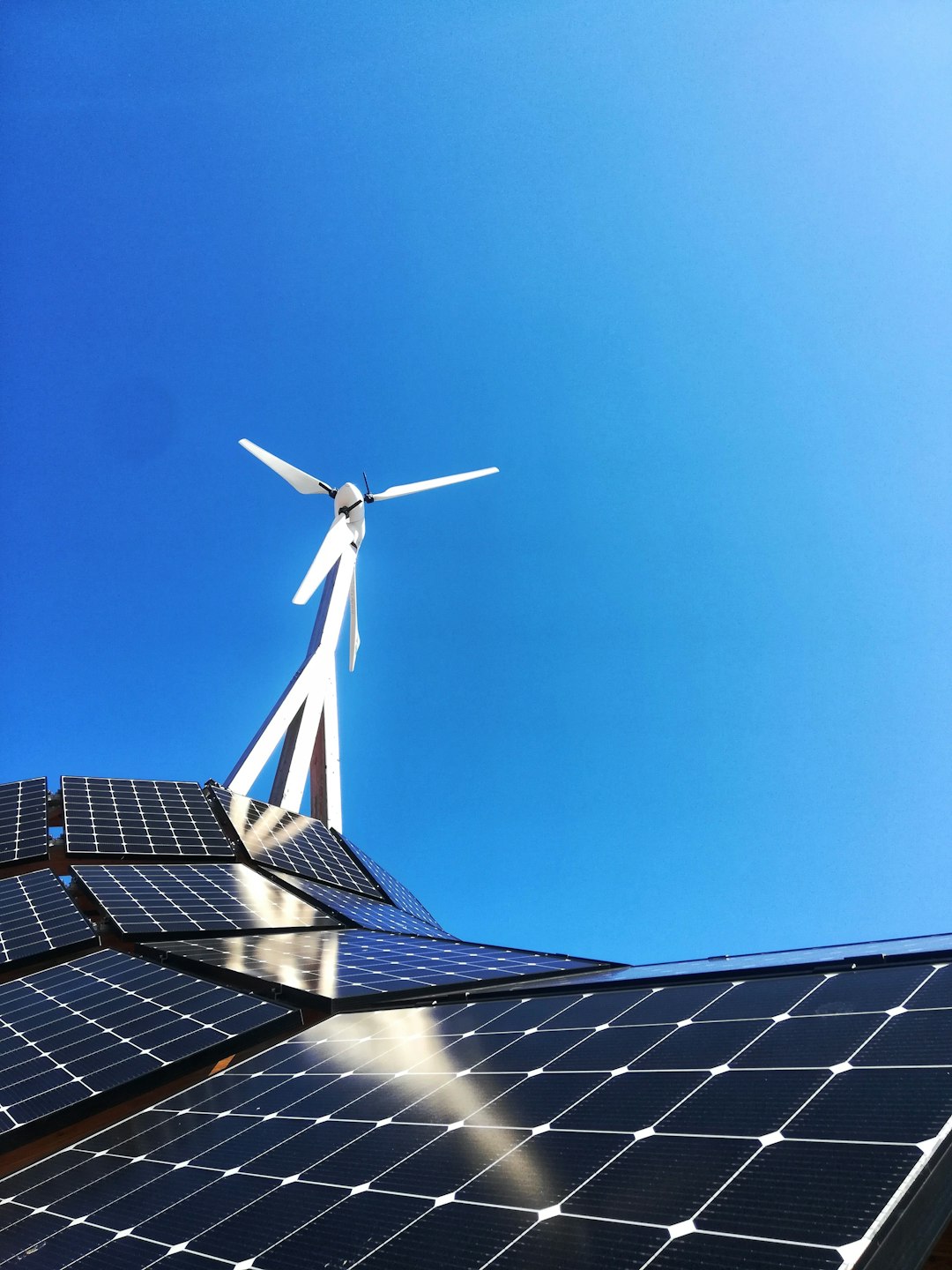
For decades, critics of climate action said renewables were just too costly to replace fossil fuels. But recent numbers flip this idea on its head. According to the International Energy Agency, the cost of solar power has dropped by 85% since 2010, and wind by more than 60%. By 2025, solar is the cheapest source of new electricity generation in more than 60 countries. In India, solar outcompetes coal on price. As installations grow, prices keep dropping. Renewables aren’t a luxury—they’re quickly becoming the economic choice.
“Electric Cars Are Worse for the Environment”
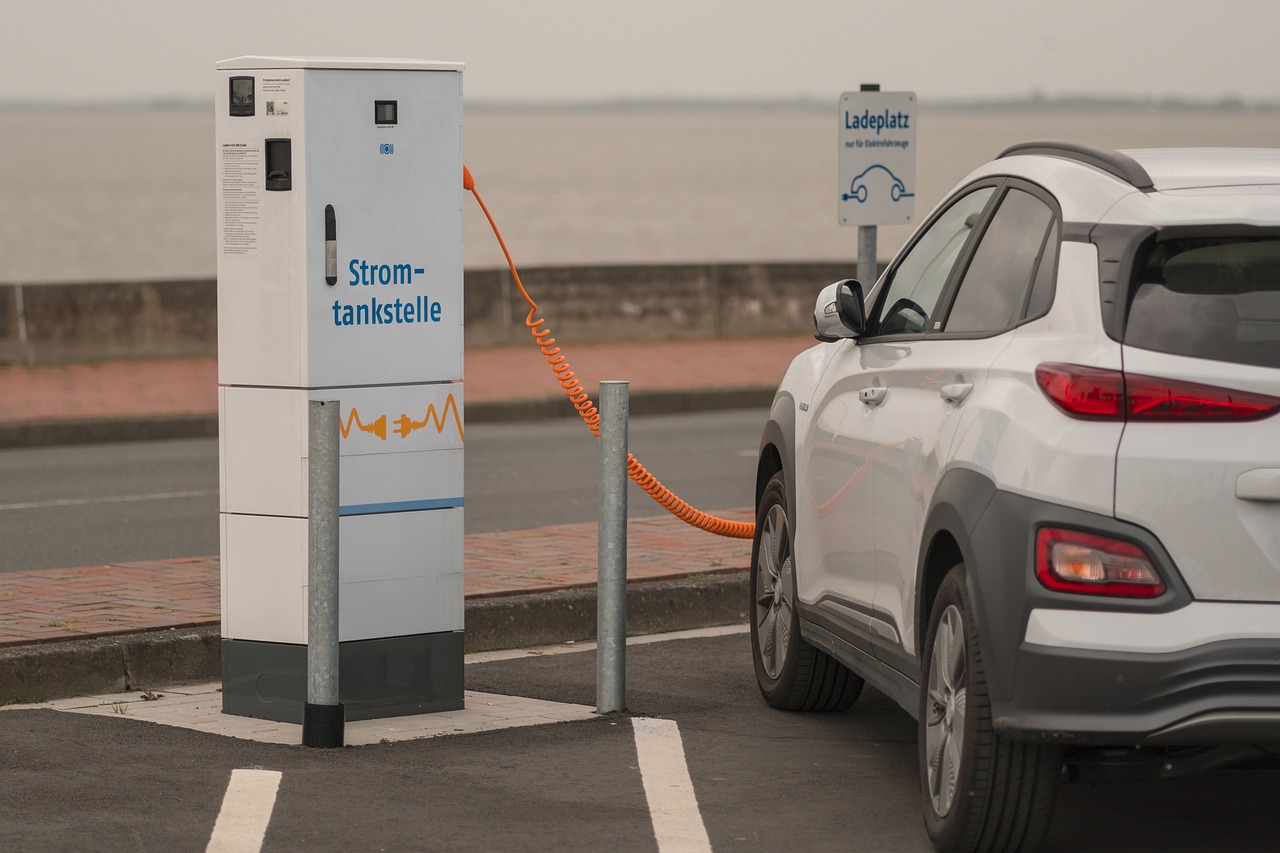
A rumor still circulates that electric vehicles (EVs) are more polluting than gas-powered cars, usually because of battery production. But this doesn’t hold up under scrutiny. The European Environment Agency’s 2024 data shows that over a typical lifetime, EVs emit 60-70% less carbon dioxide than comparable gasoline cars—even accounting for battery manufacturing. As the power grid gets cleaner, so do EVs. Countries like Norway, where most electricity comes from hydropower, see even greater benefits. Battery recycling technology is also improving rapidly.
“Planting Trees Alone Can Solve the Crisis”

Tree-planting campaigns have become a feel-good symbol in the fight against climate change. While forests do absorb carbon, relying on trees alone is not enough. The 2024 Science Advances study warns that even if we planted a trillion trees, it wouldn’t offset more than a fraction of current emissions, especially if deforestation continues elsewhere. Trees take decades to grow, but emissions are happening instantly. Experts say reforestation must go hand in hand with cutting fossil fuel use and protecting existing forests.
“Climate Science Isn’t Settled”

The claim that climate science is “unsettled” or “debated” is one of the most persistent myths. But the truth is, the scientific consensus has never been stronger. A 2021 review of over 88,000 climate-related studies found that more than 99.9% agree that humans are causing global warming. Major organizations—from the American Meteorological Society to the World Health Organization—stand united on this issue. While details on impacts and solutions are still being studied, the core facts are rock solid.
“Technology Will Save Us Without Lifestyle Changes”

It’s comforting to believe that some new invention—like carbon-sucking machines or climate geoengineering—will let us keep living exactly as we do now. Yet experts caution against betting everything on future tech. The International Panel on Climate Change warns in its latest reports that unproven technologies are unlikely to scale up fast enough on their own. While innovation is vital, meaningful cuts in emissions require both new tools and shifts in how we use energy, travel, and consume.
The Blame Game: “It’s All Someone Else’s Fault”

It’s easy to point fingers—at other countries, industries, or even generations. But climate change is a truly global challenge, and no one group is off the hook. The Carbon Majors Database shows that just 100 companies are responsible for over 70% of global industrial emissions since 1988, but demand for their products comes from all corners of the world. Governments, businesses, and individuals all have roles to play. The fastest progress happens when everyone owns a piece of the solution.
The Idea That “Climate Action Means Economic Sacrifice”
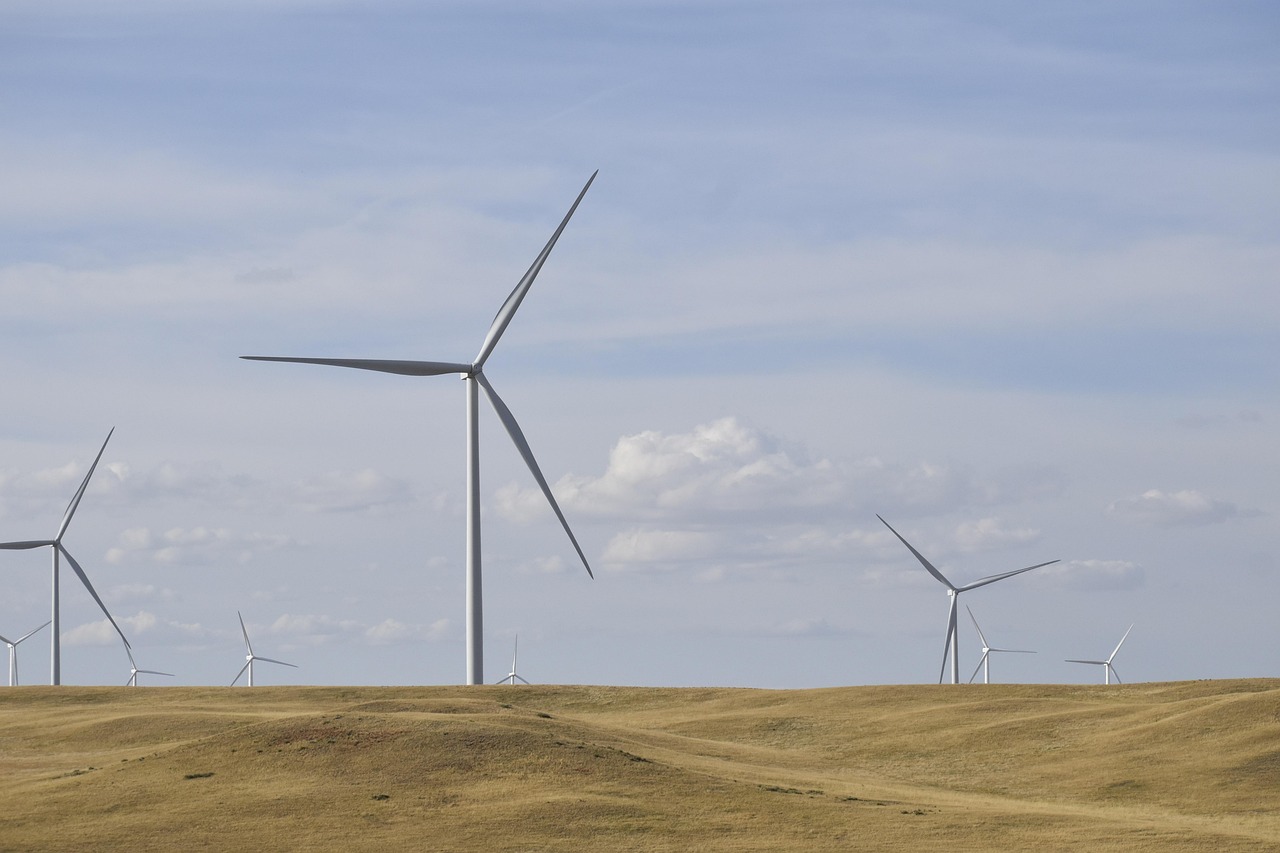
Many people worry that fighting climate change means losing jobs or hurting the economy. But recent trends tell a different story. In 2024, clean energy jobs outnumbered fossil fuel jobs in the United States for the first time, according to the Bureau of Labor Statistics. Solar panel installation and wind turbine maintenance are among the fastest-growing careers. When countries invest in green infrastructure, they often see boosts in economic growth and public health as well. The transition can be an opportunity, not just a sacrifice.
Climate Denial’s Impact on Public Opinion
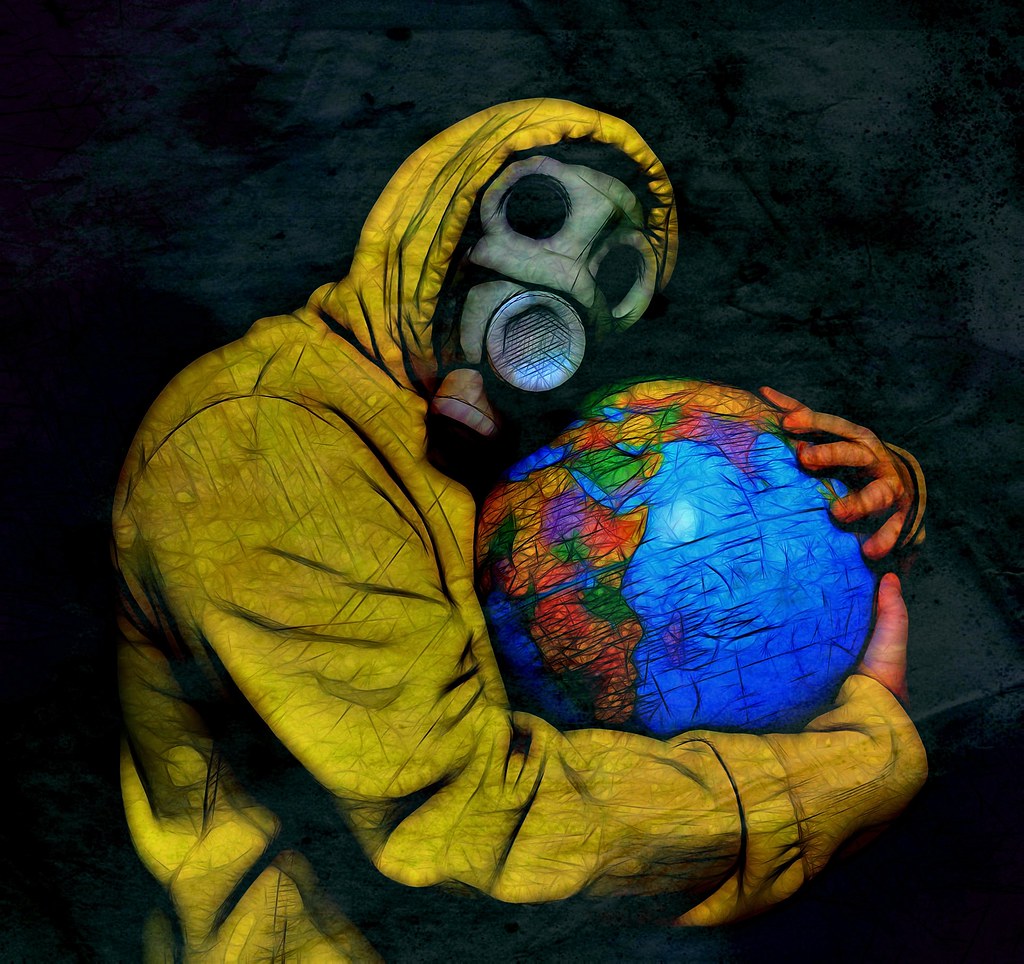
Decades of misinformation campaigns have left deep marks on public trust and understanding. A 2025 Pew Research survey found that about 30% of Americans still question the causes or urgency of climate change, often echoing debunked claims. Social media amplifies conspiracy theories and falsehoods, making it harder for people to know what’s true. This confusion slows down action and divides communities, highlighting the urgent need for clear, honest communication grounded in science.
Climate Crisis: The Facts Speak Louder Than the Myths
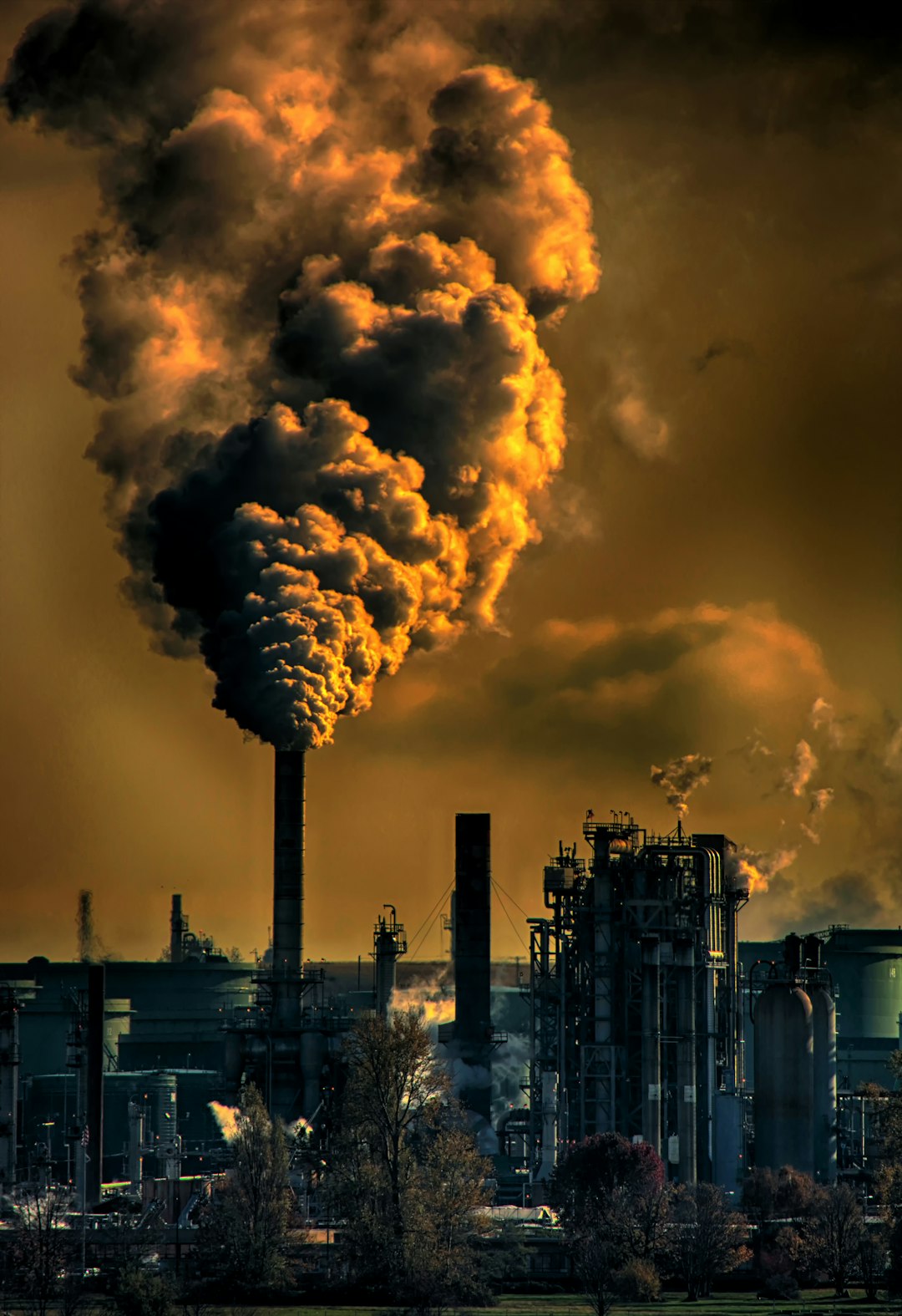
The biggest lies about the climate crisis have shaped public debate, delayed policies, and made solutions seem further away than they really are. The latest research, from rising temperatures to falling costs of clean energy, shows that the story is changing fast. The facts are clear, and the stakes are high.