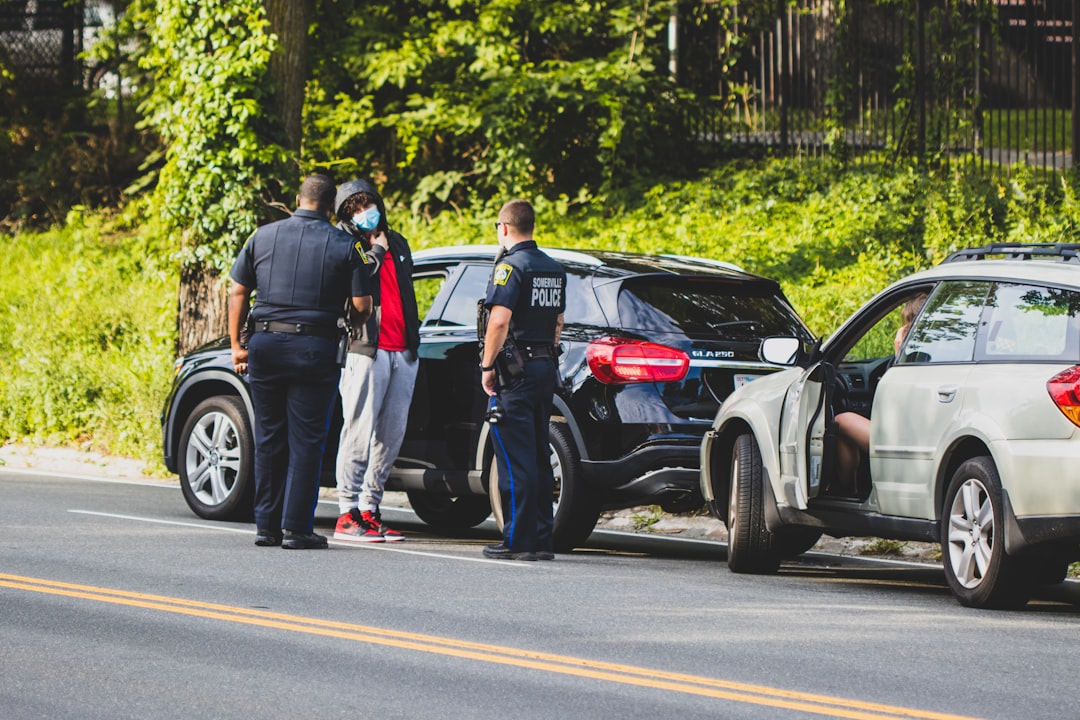


A Defiant Stand Against Hidden Faces (Image Credits: Unsplash)
Los Angeles County – In the shadow of ongoing immigration enforcement sweeps, local leaders are drawing a line in the sand against masked federal agents patrolling the streets.
A Defiant Stand Against Hidden Faces
Picture this: federal agents in tactical gear, faces concealed, rounding up workers in broad daylight. That’s the scene that’s sparked outrage in L.A. County, prompting supervisors to take action. On December 1, 2025, the board is poised to vote on an ordinance that would bar law enforcement from covering their identities during operations in unincorporated areas.
This isn’t just about optics. Community advocates argue that masks foster fear and make accountability impossible. Supervisors like Janice Hahn have highlighted recent ICE raids in places like Long Beach, where at least nine people were detained without clear identification from the agents involved.
Yet, the move feels like a direct challenge to federal authority. ICE, under the Trump administration, relies on such anonymity for officer safety, especially in high-risk environments. Will this local rule hold up, or is it the opening salvo in a larger conflict?
California’s Broader Rebellion
California has been no stranger to clashes with Washington on immigration. Just weeks ago, the state passed laws prohibiting federal agents from wearing masks and mandating visible IDs during operations. These measures aim to protect immigrant communities from what critics call aggressive, unaccountable tactics.
The Trump administration didn’t wait long to respond. On November 17, 2025, they filed a lawsuit against the state, claiming these laws violate the Supremacy Clause of the U.S. Constitution. Federal officials argue that forcing agents to reveal themselves endangers lives and hampers enforcement efforts.
L.A. County’s proposal builds on this state-level push but goes further by targeting local jurisdictions. Supervisors believe it empowers residents to know who’s enforcing the law on their doorstep. Still, legal experts predict swift challenges, potentially landing this in federal court.
Why Masks Matter in Immigration Raids
Masks for ICE agents aren’t new, but they’ve become a flashpoint amid heightened deportations. Since June 2025, the Department of Homeland Security reported over 5,000 arrests in L.A. County alone, many involving plainclothes teams that blend into crowds. Without visible badges or faces, bystanders often confuse them for vigilantes.
Proponents of the ban say transparency builds trust. In a diverse county like L.A., where immigrants make up a significant portion of the workforce, hidden identities fuel rumors and panic. One recent sweep at a construction site left families scrambling, unsure if loved ones were safe.
On the flip side, agents face real threats. Border Czar Tom Homan has dismissed similar rules bluntly, vowing to continue operations as usual. This tug-of-war highlights deeper tensions over how immigration law gets enforced on the ground.
Legal Hurdles on the Horizon
Any mask ban will face steep obstacles. The federal government holds supremacy in immigration matters, and past court rulings have sided with national security needs over local preferences. California’s laws are already under fire, with the lawsuit arguing they interfere with executive powers.
L.A. County’s ordinance might fare even worse, as it applies only to unincorporated areas. Supervisors are consulting attorneys to craft airtight language, but opponents warn it could expose agents to doxxing or retaliation. Public sentiment on platforms like X shows a divide, with some cheering the accountability push and others decrying it as anti-law enforcement.
History offers clues. Similar sanctuary policies in California have survived challenges, but mask-specific rules are untested territory. The battle could drag on, testing the limits of federalism in Trump’s second term.
Voices from the Frontlines
Immigrant rights groups are rallying behind the supervisors. Organizations like CHIRLA point to the human cost of opaque raids, where families live in constant fear. “People deserve to know who’s knocking on their door,” one advocate noted during recent hearings.
Law enforcement unions, however, are pushing back hard. They argue that unmasking agents invites danger, especially in a politically charged climate. Federal officials echo this, emphasizing that operations target criminals, not everyday residents.
Balancing these views won’t be easy. The supervisors’ vote could set a precedent for other blue strongholds, amplifying the national debate on immigration enforcement.
Key Impacts and Comparisons
To grasp the stakes, consider how this fits into ongoing disputes. Here’s a quick look at state versus federal stances:
| Aspect | California/L.A. County | Federal (Trump Admin) |
|---|---|---|
| Masks | Banned for anonymity | Allowed for safety |
| ID Requirements | Visible badges mandatory | Flexible in operations |
| Legal Status | Local/state laws passed | Lawsuit filed |
This table underscores the core friction. While L.A. aims to humanize enforcement, Washington sees it as obstruction. The outcome could reshape how agents operate nationwide.
What Lies Ahead for L.A.?
As the vote approaches, all eyes are on the supervisors’ chamber. A yes could rally progressive allies but invite federal retaliation, from funding cuts to intensified raids. Trump has made no secret of his immigration crackdown plans, and this feels like a prime target.
Ultimately, this saga reveals America’s fractured views on borders and belonging. Local leaders are betting on community protection over national directives, but the courts will have the final say. For now, the tension simmers, waiting for the next move.
In the end, whether L.A. prevails or not, this push spotlights the raw power struggles defining our immigration debate. What do you think – is unmasking agents a step toward justice or a risk too far? Share your thoughts in the comments.
Key Takeaways:
- L.A. County’s ordinance targets ICE masks to boost accountability in raids.
- California’s similar laws face a federal lawsuit, highlighting supremacy issues.
- The clash could influence immigration enforcement across Democratic-leaning areas.