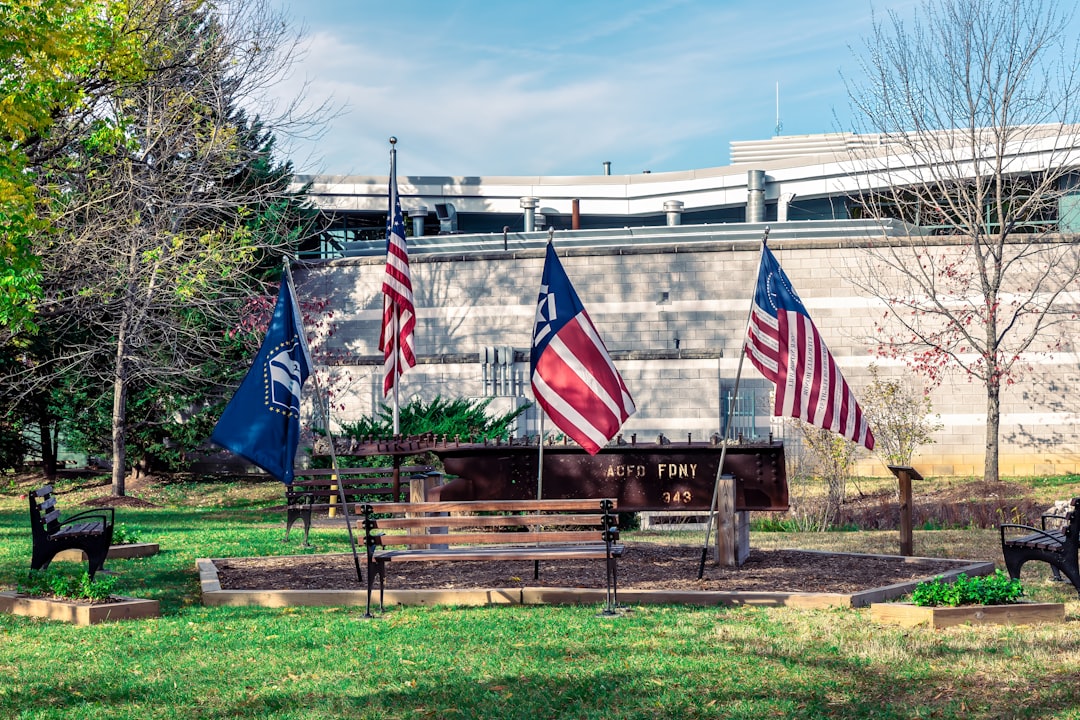


A Bold Shift in Veteran Care (Image Credits: Unsplash)
West Los Angeles – Amid the sprawling grounds of a historic campus bathed in the warm California light, fresh details emerge on a project poised to transform support for those who’ve served.
A Bold Shift in Veteran Care
Imagine turning a vast VA property into more than just shelters – into a true beacon for recovery and reintegration. That’s the promise behind the latest updates from the U.S. Department of Veterans Affairs. They’re moving beyond simple housing initiatives to embrace a multifaceted vision ordered by President Trump.
This isn’t about quick fixes. The plan emphasizes comprehensive services, drawing on the campus’s rich legacy to build something lasting. Veterans deserve that depth, and now it feels like real momentum is building.
Trump’s Executive Order Sparks Change
Back in May 2025, President Trump signed an order designating the West Los Angeles VA campus as the National Center for Warrior Independence. The goal? House thousands of homeless veterans while providing mental health support, job training, and community programs. It’s a direct response to long-standing needs in the area.
Supporters from both sides of the aisle have rallied behind it, seeing it as a practical step forward. Yet, as deadlines loomed, questions arose about how exactly this would unfold on the 388-acre site.
Seeding the Project with History
At the heart of the VA’s recent notice to developers lies a clever strategy: starting with a key historical building. This “seeding” approach uses an existing structure to anchor the broader development, preserving heritage while kickstarting progress.
Shuttered buildings on the campus, once symbols of neglect, could soon buzz with activity. Renovations here would blend old-world charm with modern needs, creating spaces for therapy sessions or skill-building workshops.
It’s a smart move that honors the past without getting stuck there. Developers are being invited to propose ideas that expand from this core.
Beyond Bricks and Mortar
The VA’s pivot signals a holistic rethink. No longer just about beds, the center aims to foster independence through integrated services. Think vocational rehab alongside on-site counseling – tools to help veterans rebuild lives.
Plans target up to 6,000 veterans by 2028, redirecting resources from other areas to prioritize those in need. This could ease the homelessness crisis in Los Angeles, where thousands of former service members still struggle on the streets.
Navigating Secrecy and Support
Though the project has broad backing, it’s advanced with unusual quiet. Veterans and advocates have voiced frustration over limited input, calling for more transparency as plans solidify.
Still, the VA’s latest disclosure offers a glimpse of optimism. By involving developers now, they hope to accelerate construction without the usual red tape. Community groups are watching closely, ready to ensure the final shape truly serves its purpose.
Key Features on the Horizon
Here’s what stands out in the emerging framework:
- Renovation of historic sites to serve as initial hubs for services.
- Expanded housing with on-site mental health and employment programs.
- Partnerships with developers to scale up quickly and sustainably.
- Focus on long-term independence, not temporary aid.
- Integration of the full 388-acre campus for community events and support networks.
These elements could set a national model, showing how federal land can directly tackle veteran challenges.
What Lies Ahead for Warriors
As 2025 draws to a close, this initiative reminds us of the ongoing commitment to those who’ve sacrificed. The West LA campus, once underutilized, might soon symbolize renewal – a place where independence isn’t just a word, but a reality rebuilt one step at a time.
Key Takeaways
- The VA is broadening its approach to include comprehensive veteran services beyond housing.
- Historic buildings will anchor the project, blending preservation with progress.
- Expect major impacts on homelessness, with thousands potentially housed by 2028.
In the end, success here could inspire similar efforts nationwide. What do you think about this evolution in veteran support? Share your thoughts in the comments.