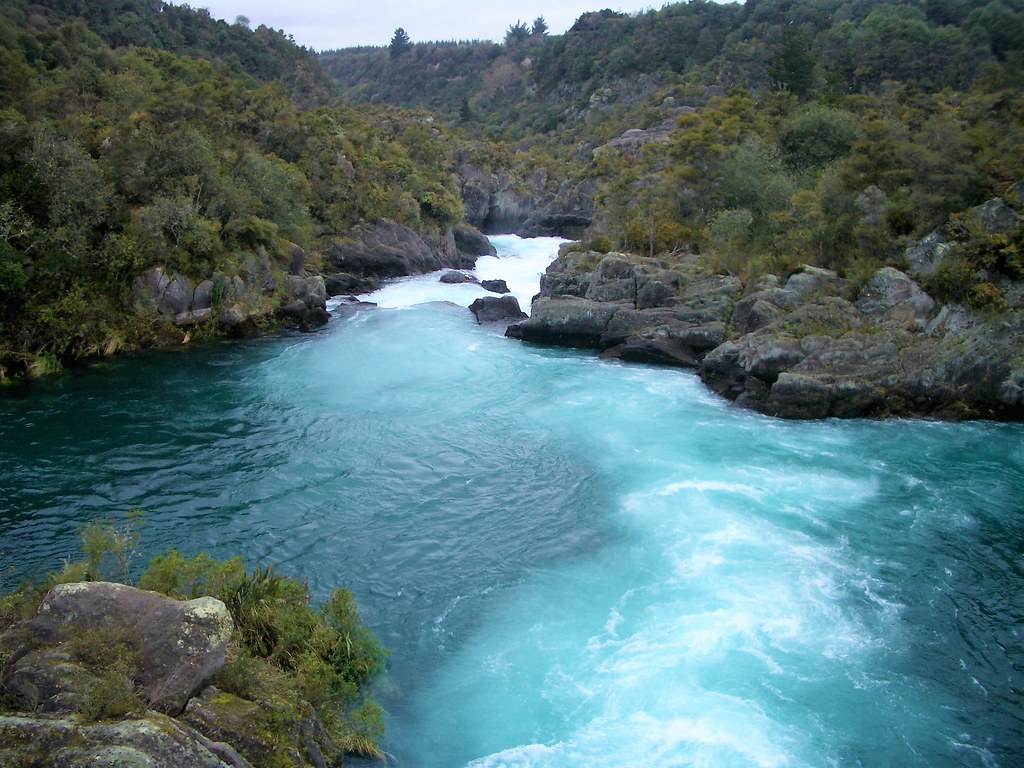


The Spark Igniting the Delta Debate (Image Credits: Flickr)
California – amid the winding channels and lush islands of the Sacramento-San Joaquin Delta, a quiet urgency simmers as state leaders gear up for a fierce clash over water rights.
The Spark Igniting the Delta Debate
Picture this: a plan straight from the Trump administration that could flip the script on how water moves through one of California’s most vital ecosystems. It’s not just about turning on the taps; it’s a move to ease restrictions on pumping water from the delta southward, prioritizing farms in the Central Valley over fragile wildlife. State officials are sounding the alarm, calling it a recipe for disaster that ignores hard-won environmental safeguards.
This isn’t some abstract policy tweak. It targets protections for endangered species like the delta smelt and winter-run Chinook salmon, creatures whose survival hinges on balanced water flows. By weakening these rules, the proposal aims to boost agricultural output, but at what cost to the delta’s delicate balance?
California’s response has been swift and unyielding, with Governor Gavin Newsom’s team labeling the idea as shortsighted and harmful. They’re vowing legal action to protect the region’s water heritage.
Unpacking the Pumping Plan’s Core Elements
At its heart, Trump’s strategy seeks to ramp up water exports from the delta by relaxing federal biological opinions that guide operations at key pumping facilities. These opinions, rooted in the Endangered Species Act, ensure enough fresh water stays in the delta to prevent salty ocean inflows from wrecking habitats. The administration argues this will deliver more reliable supplies to thirsty farmlands and cities down south.
Yet, critics point out the math doesn’t add up without consequences. Increased pumping could suck fish straight into the pumps, decimating populations already on the brink. It might also exacerbate sea-level rise effects, letting more saltwater creep into farmlands and drinking water sources.
Supporters, mainly from agricultural lobbies, cheer the potential for higher crop yields in a state where water scarcity has long been a battle cry. Still, the plan echoes past efforts during Trump’s first term, which faced court blocks for similar reasons.
Environmental Threats Hanging in the Balance
The delta isn’t just a waterway; it’s a bustling hub for over 750 plant and animal species, many unique to this estuary. Trump’s proposal risks tipping that ecosystem into chaos by altering natural flows that flush out toxins and support fisheries worth millions annually. Salmon runs, crucial for Native American tribes and commercial fishers, could see devastating declines if juveniles get trapped in high-speed pumps.
Beyond fish, the ripple effects touch groundwater recharge and flood control. Less water in the delta means higher vulnerability to droughts and storms, a grim prospect in an era of climate whiplash. State scientists warn that this could accelerate habitat loss, pushing species closer to extinction.
Environmental groups like the Natural Resources Defense Council are mobilizing, highlighting how the plan sidesteps scientific consensus on sustainable water management.
California’s United Front Against the Tide
From Sacramento to the delta’s edge, opposition is building across party lines and sectors. Urban water agencies in Southern California, who rely on delta imports, worry about long-term reliability if ecosystems collapse. Farmers in the north, dependent on the delta’s health, join the chorus against what they see as federal overreach.
Governor Newsom has made it clear: California won’t stand idly by. The state is preparing lawsuits, citing violations of state water laws and federal environmental statutes. This unified stance draws on years of collaboration with federal partners under the Biden era, now threatened by reversal.
- Legal challenges invoking the Endangered Species Act
- Public campaigns to rally voter support for delta protection
- Investments in alternative water projects, like desalination and recycling
- Calls for bipartisan talks to balance ag needs with conservation
- Monitoring of federal actions through state agencies
Lessons from Past Water Wars
This isn’t the first rodeo for delta water fights. Back in 2020, a similar Trump-era rule got slapped down in court for ignoring fish data. Those battles shaped the current biological opinions, blending science with policy to keep the peace between users.
Today, with climate change amplifying extremes, the stakes feel higher. California’s recent wet years have refilled reservoirs, but experts stress that over-pumping now could squander that buffer. Historical floods and fish kills serve as stark reminders of what happens when balance breaks.
Looking ahead, this could set precedents for how the U.S. handles water in contested basins nationwide, from the Colorado River to the Great Lakes.
A Path Forward Amid the Storm
As the dust settles on this latest proposal, one thing stands out: water in California is more than a resource; it’s the lifeblood of communities, economies, and wildlife. Resolving this will demand compromise, innovation, and a nod to science over politics. Whether through courtrooms or roundtables, the goal remains a sustainable flow for all.
- Trump’s plan prioritizes southern water deliveries by easing fish protections, sparking statewide backlash.
- Potential harms include ecosystem collapse, saltwater intrusion, and species extinction risks.
- California’s response mixes legal defenses with pushes for smarter, long-term water solutions.
In the end, this delta drama underscores a timeless truth: water connects us all, and fighting over it without care could leave everyone parched. What do you think about this water tussle? Share your views in the comments below.