

A Surprising Twist in Early Education (Image Credits: Unsplash)
Los Angeles – Amid the sunny playgrounds of this sprawling city, the laughter of young children echoes less often these days, replaced by the quiet uncertainty of shuttered doors and worried parents.
A Surprising Twist in Early Education
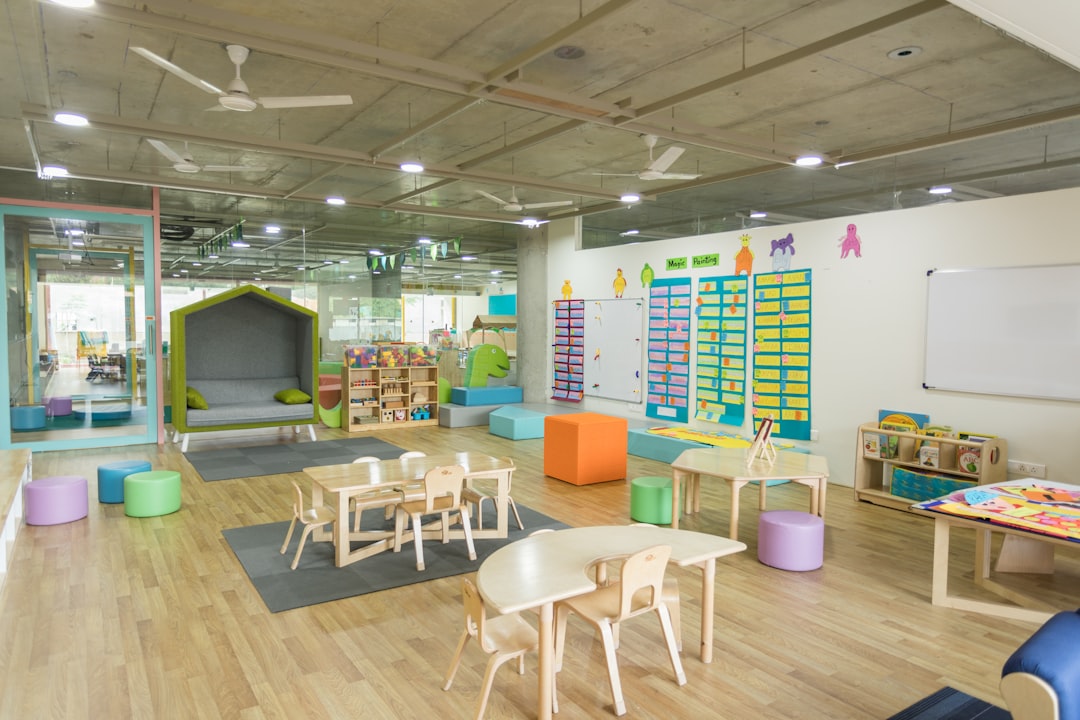
Imagine pouring resources into a program meant to help every child, only to watch nearby businesses crumble under the weight of its success. That’s the reality unfolding with California’s transitional kindergarten, or TK. This free public option for four-year-olds has exploded in popularity, drawing kids away from private preschools and forcing many to close their gates for good.
The state rolled out TK gradually over the past few years, aiming to give all kids a strong start before regular kindergarten. Enrollment has soared, especially in areas like Los Angeles County where families seek quality early learning without the price tag. Yet this boon comes with a hidden downside, hitting community preschools hardest.
Providers who once thrived on steady toddler and preschooler crowds now scramble to adapt, often without success. It’s a classic case of good intentions sparking unintended fallout.
TK’s Rapid Growth Takes Center Stage
California’s push for universal TK hit full stride recently, opening doors to all four-year-olds by the 2025-26 school year. In Los Angeles, this meant a surge of about 13,000 new students in public TK programs over just four years. Schools adapted quickly, hiring more teachers and expanding classrooms to meet the demand.
Families love it – no tuition fees, certified educators, and a seamless path to elementary school. Word spreads fast in tight-knit communities, pulling enrollment from private spots. Public funding backs the expansion, making TK an easy choice for budget-conscious parents.
Still, the speed of this shift caught many off guard. Private preschools, often smaller and community-run, couldn’t compete on cost or scale overnight.
The Hard Numbers Behind the Closures
Over those same four years, Los Angeles County saw 167 community-based preschools shut down, according to recent UC Berkeley research. That’s a stark loss of around 12,000 child-care slots, right as TK spots multiplied. Neighborhoods with the biggest TK jumps faced the most closures, creating pockets of scarcity for younger kids.
Many surviving preschools pivoted to infant and toddler care, but that requires pricier setups like lower ratios and specialized spaces. Enrollment drops hit revenue hard, leading to layoffs or total shutdowns. It’s not just numbers; it’s livelihoods vanishing.
| Metric | TK Growth | Preschool Impact |
|---|---|---|
| Enrollment Change | +13,000 students | -12,000 slots |
| Closures | N/A | 167 in LA County |
| Affected Areas | High-growth zones | Highest closure rates |
Families Caught in the Middle
Parents face tough choices now. TK offers structure and no cost, but it doesn’t cover kids under four, leaving gaps for working families. Those who stick with private options pay more as preschools raise fees to stay afloat or offer fewer hours.
Low-income areas feel the pinch deepest, where alternatives dwindle fast. Some families drive farther for care, adding stress to already busy routines. It’s a scramble that disrupts daily life and early development routines.
Providers echo the frustration, noting how the system’s silos – TK for older kids, private for the rest – fail to mesh. Collaboration could help, but funding silos make it tricky.
Providers Fight to Adapt and Survive
Private preschool owners hustle to reinvent themselves. Some partner with public schools for hybrid models, blending TK benefits with their flexible schedules. Others focus on niche programs like arts or bilingual immersion to lure families back.
Yet challenges mount. Staff shortages plague the field, with low pay driving turnover. Rising costs for rent and supplies squeeze margins thinner. In LA’s competitive market, standing out grows harder each year.
A few success stories emerge, like centers converting to full-day care hubs. But for many, it’s too late – the closures signal a broader shake-up in child care.
Looking Ahead: Policy Shifts on the Horizon
State leaders recognize the strain and discuss tweaks, like incentives for preschools to integrate TK or boost subsidies for under-fours. Research from groups like UC Berkeley pushes for better data to track these trends and adjust accordingly.
Universal pre-K sounds ideal, but blending public and private worlds matters. Pilot programs in other states offer lessons, emphasizing mixed funding to protect all options. LA could lead if policies evolve thoughtfully.
Without action, more closures loom, widening gaps in early education access. The goal remains the same: every child thriving from day one.
Key Takeaways
- TK’s expansion added 13,000 spots in LA but erased 12,000 from preschools.
- 167 closures highlight the need for balanced support across child care types.
- Future fixes could include subsidies and partnerships to ease the transition.
In the end, California’s TK push marks real progress for early education, yet it underscores how one gain can ripple into losses elsewhere. Balancing free access with a robust private sector will define the next chapter. What steps do you think could help LA’s families navigate this? Share your thoughts in the comments.