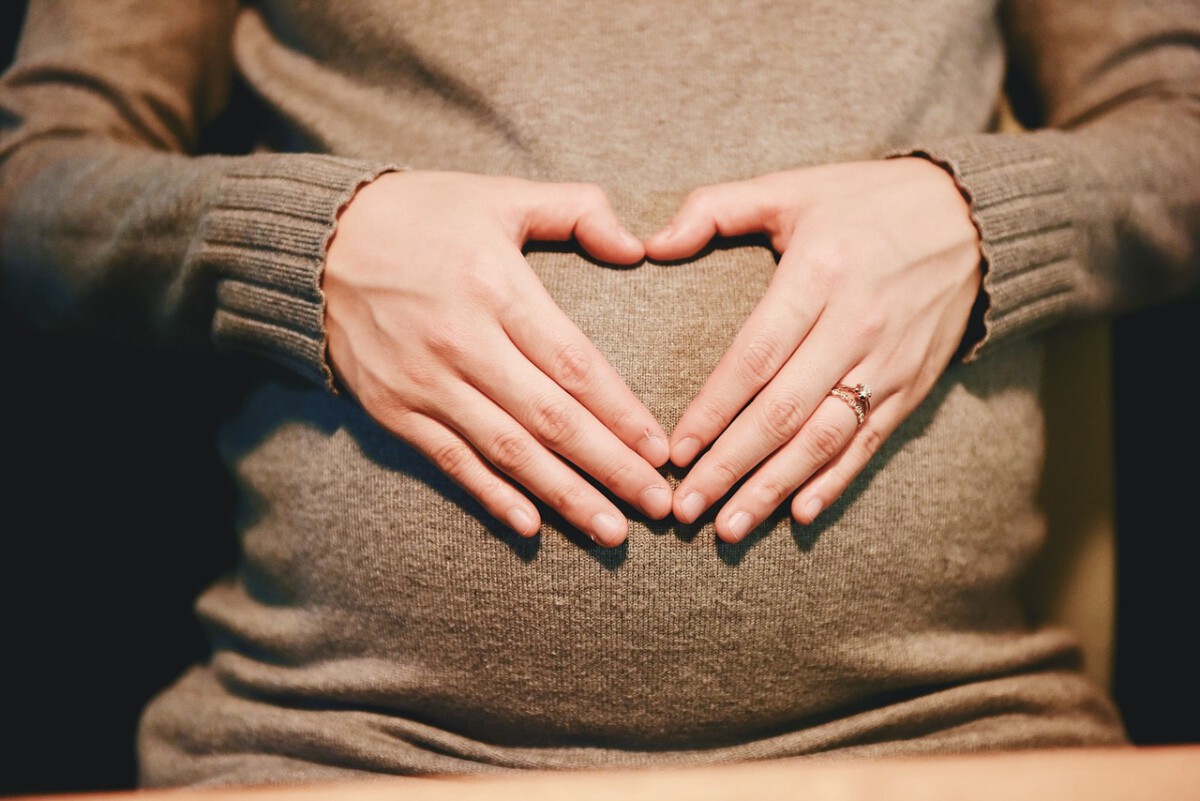


Rules on Paper, Reality in Chains (Image Credits: Pixabay)
In the stark quiet of a detention facility far from home, a expectant mother paces her small cell, her hand often drifting to her abdomen as worry lines etch deeper into her face.
Rules on Paper, Reality in Chains
Imagine showing up for what should be a routine check-in, only to find yourself separated from your family and locked away for months, all while carrying a child. That’s the nightmare unfolding for dozens of pregnant immigrants across the U.S. right now. Federal guidelines explicitly discourage detaining pregnant women, yet reports from late 2025 show ICE facilities holding them for extended periods, sometimes up to seven months.
This isn’t some outdated practice. Just this past June, ICE rolled out a new policy aimed at protecting pregnant, postpartum, and nursing individuals, stressing alternatives to detention and proper medical care. Still, advocacy groups like the ACLU point to clear violations, with women in places like Louisiana and Georgia bearing the brunt. It’s a stark reminder that policies mean little without enforcement.
The fallout? Families torn apart and health hanging in the balance, as these women navigate uncertainty without the support they desperately need.
Personal Stories That Break Your Heart
One woman’s ordeal stands out: a mother-to-be detained in California, enduring her entire pregnancy behind bars despite a legal petition from her U.S. citizen spouse. She wasn’t alone; others have shared tales of being shackled during medical emergencies, including heartbreaking miscarriages without adequate intervention. These aren’t isolated incidents but part of a pattern emerging in recent investigations.
Take the case of a high-risk pregnancy where travel was medically advised against, yet ICE agents proceeded with detention, ripping a breastfeeding infant from the mother’s arms. Social media buzzes with similar accounts, from violent arrests of women days from delivery to deportations that ignore pending green card applications. Each story underscores a system that’s failing at its most vulnerable moments.
Health Dangers No One Should Ignore
Pregnancy in detention isn’t just uncomfortable; it’s outright dangerous. Limited access to prenatal vitamins, irregular check-ups, and substandard facilities can lead to complications like preterm labor or nutritional deficiencies. Rights organizations report delayed care in ICE centers, where women sometimes wait weeks for basic ultrasounds.
Experts highlight the mental toll too, with isolation amplifying stress that directly impacts fetal development. In one documented instance, a woman gave birth to a stillborn after her pleas for help went unanswered. Such risks fly in the face of community health standards, turning detention into a gamble with two lives.
Without swift release protocols, these women face not only physical harm but long-term trauma that echoes through their families.
Lawmakers Push Back Against the Tide
Frustration is boiling over in Washington. Over 60 Democratic lawmakers, including members of the Women’s Caucus, fired off a letter to ICE’s acting director in November 2025, demanding immediate releases and investigations into these detentions. They cited federal regulations that prioritize humanitarian considerations, calling out the administration for endangering lives.
The push comes amid a broader immigration crackdown, where enforcement seems to override protections. Groups like the ACLU have joined the chorus, urging the closure of problematic facilities and better oversight. It’s a bipartisan concern at heart, though responses from ICE remain muted so far.
Common Violations and What’s at Stake
From the reports pouring in, a few issues keep surfacing. Here’s a quick rundown of the most pressing problems:
- Prolonged holds beyond the 72-hour limit recommended for pregnant detainees.
- Shackling during transport or labor, despite bans under the Prison Rape Elimination Act.
- Inadequate medical screening, leading to untreated conditions like gestational diabetes.
- Denial of release even with low flight risk or strong community ties.
- Separation from young children, violating family unity principles.
Each violation chips away at trust in the system. For the women involved, the stakes are their health, their babies’ futures, and the very fabric of humane immigration policy.
Expert Views and Paths Forward
Immigration advocates aren’t holding back. The ACLU’s recent letter to ICE detailed neglect in specific centers, recommending everything from mandatory health evaluations to expedited parole for expectant mothers. Medical professionals echo this, stressing that detention environments rarely meet obstetric standards.
Looking at comparisons, here’s how U.S. practices stack up against international norms:
| Aspect | U.S. ICE Policy | UN Standards |
|---|---|---|
| Detention Length for Pregnant Women | Often months, despite discouragement | Should be avoided entirely |
| Medical Access | Facility-based, sometimes delayed | Equivalent to community care |
| Release Options | Case-by-case, inconsistently applied | Presumptive release |
Reform could start with stricter audits and training, but until then, the human cost keeps mounting.
Key Takeaways
- Pregnant detainees deserve alternatives to custody, per federal rules – yet enforcement lags.
- Health neglect in facilities risks irreversible harm to mothers and babies.
- Public pressure from lawmakers and advocates is growing; change might be on the horizon.
At its core, this crisis reveals a disconnect between intent and action in our immigration system. Releasing these women isn’t just compassionate; it’s a legal and ethical must. What steps do you think could finally end these prolonged detentions? Share your thoughts in the comments below.