

A Routine Eviction Turns Nightmare (Image Credits: Unsplash)
Stamford, Connecticut – Tension hung heavy in the air on a crisp December morning as police sirens pierced the quiet neighborhood, marking the start of what would become a harrowing ordeal.
A Routine Eviction Turns Nightmare
Imagine starting your day with what should be a straightforward task, only for it to spiral into chaos. That’s exactly what happened when a state marshal arrived at a home on Oaklawn Avenue around 9:15 a.m. to serve an eviction notice. The resident, later identified as 63-year-old Jed Parkington, wasn’t going down without a fight.
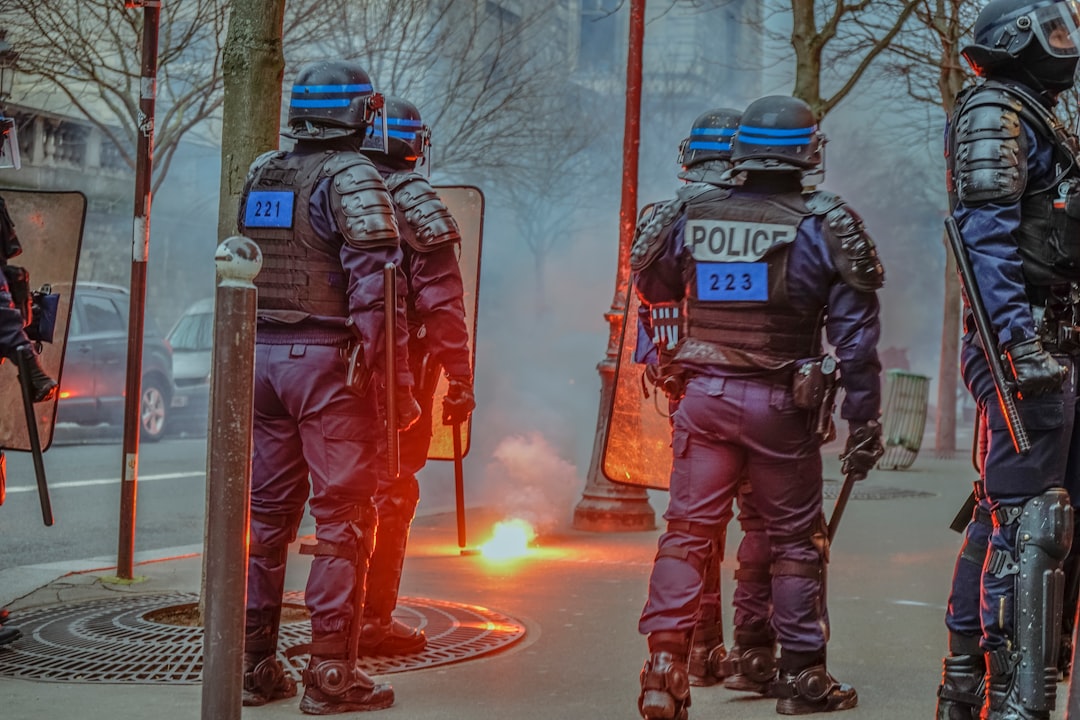
Officers quickly realized they were facing a barricaded suspect. Parkington refused to leave, and the situation escalated fast. Neighbors likely heard the first signs of trouble as police set up a perimeter, turning a simple relocation into a full-blown crisis.
Hours ticked by with no resolution in sight. The standoff stretched on, drawing in SWAT teams and bomb squads as reports of potential threats emerged. It was clear this wasn’t just about an eviction anymore.
Gunfire Breaks the Standoff
The real shock came when shots rang out. Parkington opened fire on the officers, forcing them to take cover and respond with their own rounds. Bullets flew in a tense exchange that heightened the danger for everyone involved.
No officers were hurt, but the gunfire painted a picture of desperation. Parkington had fortified his position inside the single-family home, making any approach risky. The air filled with the sharp cracks of weapons, echoing through the street.
Eventually, the confrontation ended tragically. Authorities believe Parkington took his own life amid the chaos, leaving behind a scene that demanded careful investigation.
Inside the Home: A Chilling Revelation
Once the area was secured, entry teams pushed forward. What they found inside went beyond the expected disarray of an eviction resistance. A decomposed body lay in one part of the house, suggesting it had been there for some time.
This grim discovery pointed to deeper troubles within the walls. The remains, believed to be a second person unrelated to the immediate standoff, raised immediate questions about what had transpired before police arrived. Forensic experts were called in to piece together the timeline.
The home’s interior revealed signs of long-term isolation. Clutter and neglect painted a story of someone detached from the outside world, amplifying the tragedy of the day’s events.
Explosives Add a Layer of Peril
But the decomposed body wasn’t the only hazard. Scattered throughout were numerous explosives, including pipe bombs and other homemade devices. These weren’t relics; they posed real risks to the responding teams.
Bomb technicians worked meticulously to neutralize the threats. The cache included materials that could have turned the standoff into something far deadlier. Experts from the state police bomb squad spent hours ensuring nothing detonated unexpectedly.
Why such dangerous items were there remains under scrutiny. It hinted at possible preparations for conflict or worse, though details are still emerging from the investigation.
Neighborhood Impact and Community Response
The ordeal left the Oaklawn Avenue community on edge. Residents were evacuated as the situation unfolded, watching from afar as armored vehicles rolled in. Schools nearby went into lockdown, a precaution that underscored the gravity.
By evening, the all-clear came, but the shock lingered. Neighbors described Parkington as reclusive, someone who kept to himself. This incident shattered the suburb’s sense of safety, prompting discussions about mental health and eviction processes.
Local leaders called for support services in the aftermath. The event served as a stark reminder of how quickly everyday enforcement can intersect with personal crises.
Lessons from the Aftermath
Investigators continue to comb through evidence, with the medical examiner’s office handling the remains. Questions swirl about Parkington’s background and any connections to the explosives. Federal agencies might get involved given the bomb findings.
Here’s a quick timeline of key events:
- 9:15 a.m.: Eviction notice served; suspect barricades.
- Mid-morning: Standoff declared; perimeter set.
- Afternoon: Gunfire exchanged; suspect found dead.
- Evening: Body and explosives discovered; area cleared.
The case highlights the complexities of handling armed standoffs. Training and protocols saved lives that day, but it also exposes vulnerabilities in how we address isolation and potential threats.
Key Takeaways
- A simple eviction escalated into a multi-hour crisis involving gunfire and self-harm.
- Discoveries inside included a decomposed body and dangerous pipe bombs, complicating the response.
- Community safety was prioritized, with no injuries to officers or bystanders.
This Stamford incident serves as a sobering wake-up call about unseen struggles behind closed doors. What steps can communities take to prevent such escalations? Share your thoughts in the comments below.