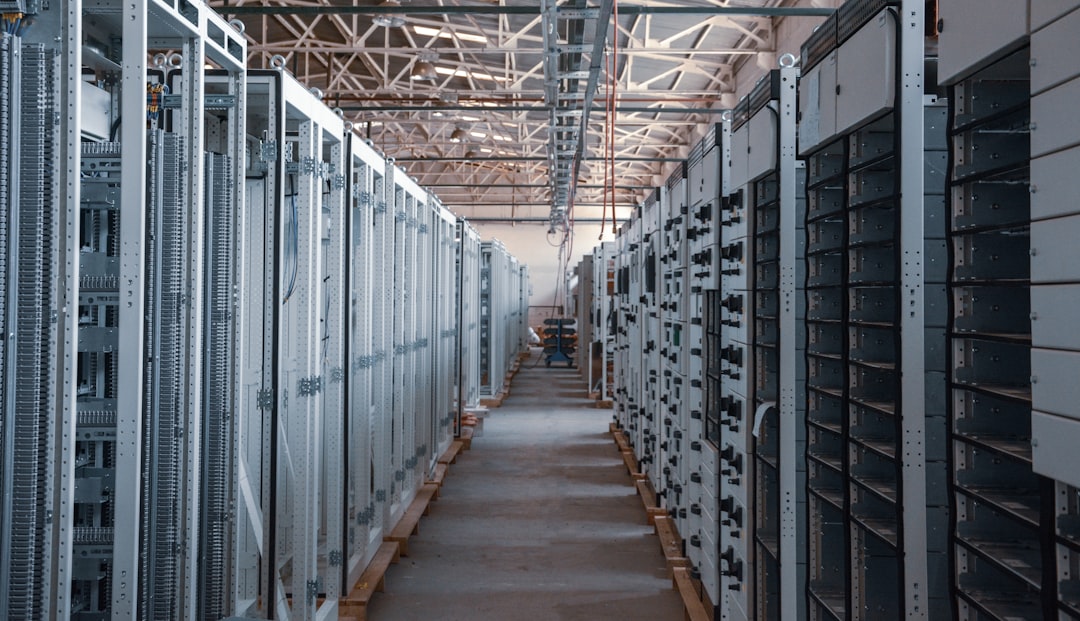


Why the Ground Game is the Real AI Winner (Image Credits: Unsplash)
Dust swirls around heavy machinery as crews lay the groundwork for yet another massive facility, turning quiet fields into hubs of digital power.
Why the Ground Game is the Real AI Winner
Imagine this: while tech giants splash headlines with their flashy AI announcements, a quieter revolution brews underground. Building materials firms are seeing explosive growth from the rush to erect data centers. It’s not just about servers and chips; it’s the mountains of concrete and gravel that make it all possible.
Take CRH, a powerhouse in aggregates and cement. They’re knee-deep in over 100 U.S. data center projects right now. Their latest earnings call it a “robust” segment, pushing quarterly revenue past $11 billion. And with AI demand skyrocketing, experts predict this trend will only accelerate through 2025.
The numbers tell the story. Data center construction spending could top $52 billion next year alone. That’s fueling a parallel surge in raw materials, where costs have jumped 40% in recent years. Suddenly, companies like these are the unsung heroes keeping the AI engine running.
The Massive Scale of Data Center Foundations
A single average data center devours 150,000 tons of aggregates. That’s enough to pave a four-mile stretch of highway. Before the sleek buildings rise, teams pour foundations, build retaining walls, and set up water systems – all demanding local, heavy-haul supplies.
CRH’s network of over 2,000 plants and quarries positions them perfectly. Most sites fall within 30 miles of one, minimizing transport hassles since these materials don’t travel far. For farther spots, they even spin up new operations on the fly.
This proximity cuts delays and costs. It’s a smart play in an industry obsessed with speed. As hyperscalers like Amazon and Microsoft race to dominate AI, every day counts in getting infrastructure solid.
Speeding Up the Build: From Months to Weeks
Time is the enemy in the AI arms race. Traditional site prep drags on for three to six months. But now, firms like CRH are slashing that to as little as four weeks for basic pads, thanks to streamlined processes and on-site plants.
Meta’s even using temporary tents to kickstart builds faster, dodging weather woes in places like Ohio. This urgency ripples down, pressuring suppliers to deliver at warp speed. It’s reshaping how materials get sourced and deployed.
Yet, this haste raises eyebrows. Analysts warn of overbuilding risks, where today’s hot infrastructure might sit idle if AI tech shifts gears. Still, the momentum feels unstoppable for now.
Key Players and What They Supply
Beyond CRH, the ecosystem thrives on specialized inputs. Here’s a quick look at the essentials driving this boom:
- Aggregates and cement for foundations and roads, forming the bedrock of every site.
- Asphalt for access routes, ensuring trucks and workers move smoothly during and after construction.
- Pipes and utilities prep for water and energy hookups, critical for cooling those power-hungry servers.
- Subsurface structures like cisterns to manage the millions of gallons of water these centers guzzle daily.
- Local mining expansions to keep supplies flowing without long hauls.
These aren’t glamorous, but they’re indispensable. With global data center investments hitting hundreds of billions, the demand for such basics creates steady, lucrative work.
Challenges in the Materials Rush
Supply chains strain under the weight. Rising costs for everything from energy to transport add up fast. Plus, environmental scrutiny grows as mining ramps up, pushing companies toward sustainable practices.
Water and power demands amplify the stakes. A typical center might need gigawatts of electricity and vast water reserves for cooling. Coordinating all this requires expertise that building firms like CRH bring to the table.
Despite hurdles, the payoff shines. CRH’s leaders see no slowdown, with AI fueling long-term growth. It’s a reminder that tech’s future rests on solid, everyday foundations.
Looking Ahead: Sustainability and Scale
As 2025 unfolds, expect even bigger pours of investment. Reports from places like Goldman Sachs forecast power needs doubling by 2030, tied to AI’s thirst. Building materials will ride that wave, but with a green twist – more recycled aggregates and efficient mining.
The infrastructure bubble talk persists, yet demand feels real. Hyperscalers aren’t backing off; they’re doubling down on sites across Virginia and beyond. For materials companies, it’s a golden era of stability amid tech’s chaos.
Key Takeaways:
- AI data centers demand 150,000 tons of aggregates each – highway-scale volumes.
- Construction spending could exceed $52 billion in 2025, boosting materials firms.
- Speed and locality rule: Suppliers like CRH cut timelines to weeks with nearby plants.
In the end, AI’s glittering promise starts with dirt and stone. While we chase the next big algorithm, these foundational players ensure the whole structure stands tall. What surprises you most about this behind-the-scenes boom? Share your thoughts in the comments.