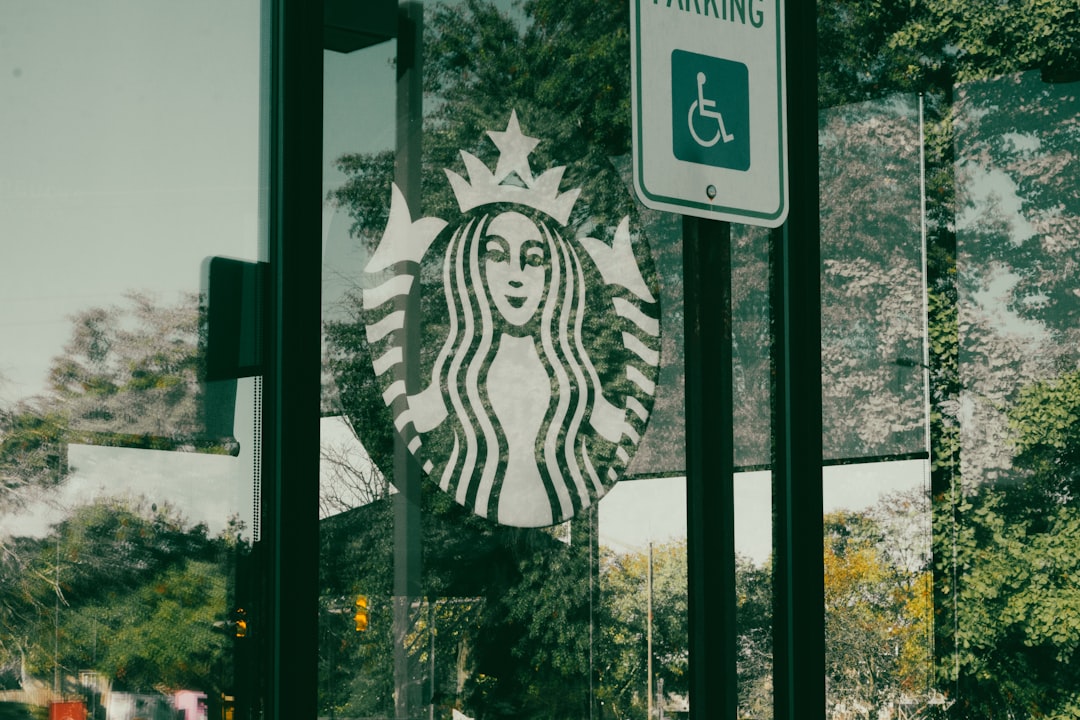


Remembering the Spark That Started It All (Image Credits: Unsplash)
Imagine stepping into a bustling coffee shop where the air hums with easy chatter and the scent of fresh brews pulls you in, a place that feels more like a neighborhood hangout than a quick stop.
Remembering the Spark That Started It All
Back in the early days, Howard Schultz saw something special in Italian cafés that changed everything for Starbucks. He brought home the idea of genuine connections over a cup of coffee, turning a simple bean seller into a cultural icon. That vision wasn’t just about drinks; it was about building communities through everyday interactions.
Schultz treated his team like partners, offering benefits that set new standards in the industry. Health coverage for part-timers and help with education showed a commitment to people that fueled loyalty. This human touch created the warmth customers still crave today.
Yet, as the company grew, maintaining that spirit became tougher. Schultz stepped in and out of leadership, always circling back to reconnect with the roots.
Niccol Steps In: A Rockstar from Chipotle
When Brian Niccol took the reins in late 2023, expectations soared. Fresh off a stunning revival at Chipotle, where sales doubled and stocks surged, he seemed like the perfect fit for Starbucks’ slump. Investors and fans alike hoped he’d blend efficiency with the brand’s cozy vibe.
Early moves looked promising. Niccol talked about elevating the coffee experience and sprucing up stores to feel more inviting. Bringing back self-serve condiment bars let customers personalize their orders, nodding to that original sense of control and community.
But whispers of change soon turned to worries. Reports from 2025 highlight how his strategies, meant to streamline operations, started feeling rigid instead of refreshing.
The Big Misstep: Scripts and Suits Over Soul
Here’s the hook: Niccol’s plan demands baristas follow strict scripts for customer chats and even jot down “genuine” notes on cups, with penalties looming if they slip up. This top-down control clashes hard with the freedom that once defined Starbucks. In a world craving real interactions, forcing authenticity feels like a contradiction.
Baristas now face tighter dress codes and scripted greetings, pulling focus from brewing connections to checking boxes. Recent stories from outlets like The New York Times paint a picture of stressed workers under pressure, echoing union complaints about ignored voices. One X post captured the frustration, noting how Niccol’s $96 million payday in just four months starkly contrasts with baristas scraping by on minimum wages.
This shift risks eroding trust. Employees who feel micromanaged can’t deliver the warmth that draws people in, turning potential loyalists into frustrated transients.
Looking Abroad: Barnes & Noble’s Smarter Playbook
Contrast this with James Daunt’s approach at Barnes & Noble. When he stepped in during 2019, the chain was fading fast against online giants. Instead of clamping down, Daunt handed power to store managers, letting them curate displays and sections like independent shops.
This trust paid off big. Stores gained unique personalities, pulling in crowds and sparking a wave of new locations by 2023. Daunt’s philosophy, shared in interviews, boils down to freedom over dictates – empowering teams to adapt locally.
His success in the UK with Waterstones proves it’s not luck. By prioritizing people on the ground, Daunt revived a brand without losing its essence, a model Starbucks could learn from.
Recent Backlash: From Boardrooms to Baristas
By late 2025, criticism has ramped up. Analysts question if Niccol’s $100 million package matches results, with sales ticking up slowly but stocks volatile. A Fortune piece from September dissected his “Back to Starbucks” push, praising coffee focus but slamming operational overhauls for alienating staff.
On social media, posts from workers and unions highlight the strain. One viral thread slammed layoffs of over a thousand as a bid for “nimble teams,” yet it ignored frontline pleas. Even fans on Reddit point to Niccol’s Salesforce talk, where he admitted underestimating complexities, but actions haven’t caught up.
Meanwhile, competitors like local cafés thrive on that unscripted charm Starbucks once owned. The gap is widening, and customers notice the chill in the air.
Key Differences in Leadership Approaches
| Approach | Schultz/Niccol | Daunt’s Model |
|---|---|---|
| Employee Role | Partners with perks | Local decision-makers |
| Control Style | Building trust | Granting freedom |
| Outcome | Community focus | Store revivals |
This table underscores the divide. Niccol’s efficiency drive mirrors Chipotle’s playbook, great for burritos but tricky for coffeehouse vibes.
Reclaiming the Magic: What Comes Next
To turn things around, Starbucks needs to lean into its people again. Ditch the scripts for genuine training that builds confidence. Listen to baristas through real channels, not just tours – address union demands head-on for lasting buy-in.
Here are three steps that could help:
- Empower stores with local tweaks, like Daunt does.
- Boost benefits to rebuild loyalty amid rising costs.
- Measure success by customer stories, not just sales metrics.
Key Takeaways:
- Niccol’s rigid rules risk the human connections that built Starbucks.
- Trusting employees, as in Barnes & Noble, drives real turnarounds.
- With 2025’s growing backlash, prioritizing people could save the brand’s soul.
In the end, Starbucks’ strength has always been that feeling of belonging over a shared cup. If Niccol can shift from control to care, the turnaround won’t just fix numbers – it’ll reignite the heart. What do you think about these changes? Share in the comments below.