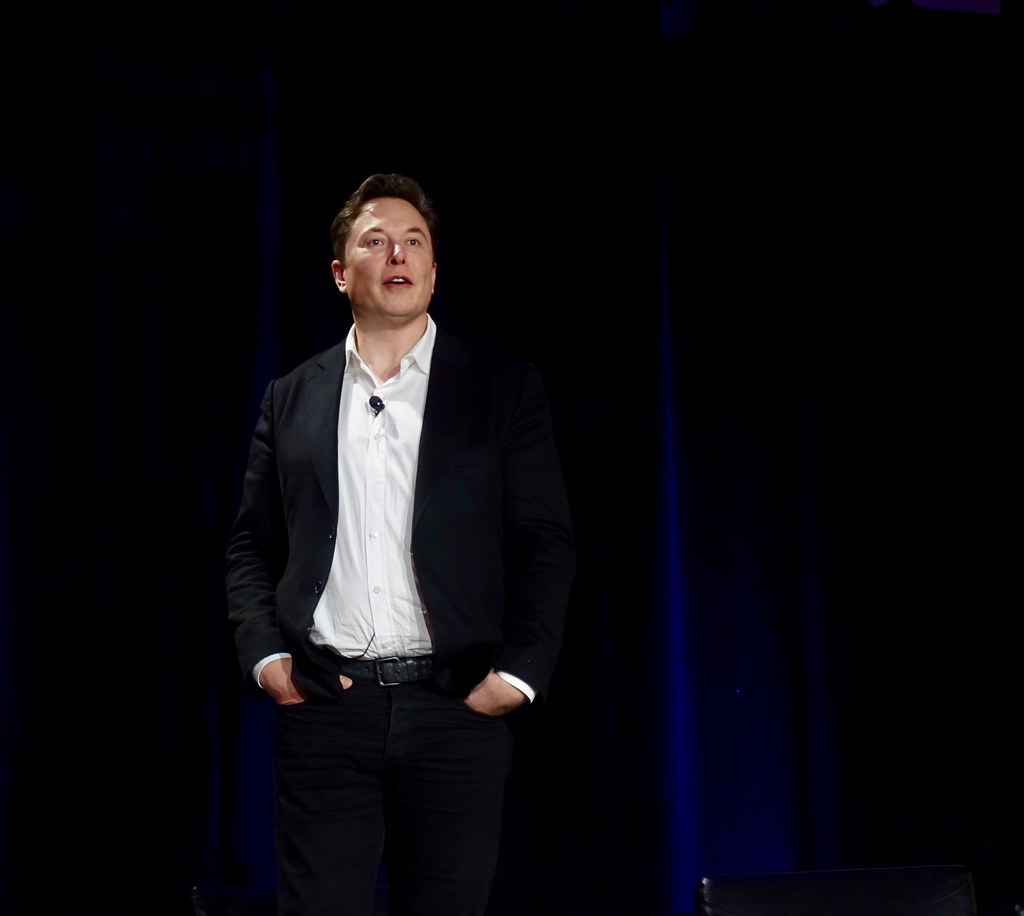

The Fine That Caught Everyone Off Guard (Image Credits: Flickr)
In the bustling corridors of European regulators, a decision landed like a thunderclap, shaking the foundations of one of tech’s boldest experiments.
The Fine That Caught Everyone Off Guard
Imagine waking up to headlines screaming about a massive penalty against your company. That’s exactly what happened to Elon Musk and his team at X this week. The European Union dropped a 120 million euro bomb – about $140 million – on the platform for breaking rules under the Digital Services Act.
This isn’t just any slap on the wrist. It’s the first big enforcement action since the DSA rolled out, signaling that the EU means business when it comes to online accountability. X’s leadership probably saw it coming after months of scrutiny, but the scale still stings.
Decoding the Digital Services Act
The DSA isn’t some obscure law tucked away in Brussels’ archives. Launched to rein in Big Tech, it demands platforms like X be upfront about how they operate, from content moderation to ad practices. Think of it as Europe’s way of saying, “Show us your cards” in the wild west of social media.
Passed in 2022 and fully in effect by 2024, the act targets everything from fake news to deceptive designs. For very large platforms – those with over 45 million users – it ups the ante with stricter reporting requirements. X, with its global reach, fell squarely in that category.
Regulators argue that without these rules, users get misled, and harmful content spreads unchecked. It’s a push for trust in an era where misinformation can topple elections or spark unrest.
Blue Checkmarks: From Status Symbol to Deception Trap
Remember when a blue checkmark meant verified authenticity? On X, that changed under Musk’s reign. Now, anyone can buy one for a subscription fee, blurring the line between real influencers and paid pretenders.
The EU zeroed in on this shift as “deceptive.” Officials say it tricks users into trusting accounts that might push scams or false info, all because of that little blue badge. It’s like handing out hall passes to imposters at a crowded party.
Critics point out how this paid verification erodes credibility. One example: Impersonators using checks to spread hoaxes, leading to real-world confusion. The fine highlights how such tweaks can violate user protection standards.
Advertising Opacity Under the Microscope
Ads are the lifeblood of platforms like X, but the EU wants full visibility into them. X failed to build a proper repository where users and watchdogs could peek behind the curtain on targeted campaigns.
Without this transparency, it’s hard to spot manipulative practices, like micro-targeted political ads that sway opinions invisibly. Regulators found X’s system lacking, making it tougher for researchers to analyze and curb potential abuses.
This gap isn’t minor. It ties into broader worries about election interference and consumer manipulation, core concerns driving the DSA.
Data Access Denials Fuel the Fire
Here’s where things get technical yet crucial. The DSA requires platforms to share certain data with independent researchers studying online harms. X dragged its feet, providing incomplete or restricted access.
Why does this matter? Researchers use this info to uncover patterns in hate speech or disinformation. By limiting it, X hampered efforts to make the platform safer, according to the Commission.
It’s a standoff between privacy claims and public interest. The EU sees it as X prioritizing its own walls over collaborative safety nets.
Global Ripples and Musk’s Defiant Stance
This fine isn’t happening in a vacuum. It pits EU ideals of regulation against U.S. free speech champions, especially with the Trump administration voicing support for Musk. Tensions are high, with whispers of trade war echoes.
Musk has fired back on X, calling the rules censorship in disguise. His posts rally fans, framing it as an attack on innovation. Yet, the penalty could force operational changes, from revamping verification to overhauling ad tools.
Looking ahead, similar scrutiny might hit other platforms. TikTok, for instance, settled related issues around the same time, showing the DSA’s teeth.
Key Takeaways from the X Penalty
- Paid blue checks deceived users, violating DSA transparency mandates.
- Inadequate ad repositories and researcher data access amplified the breaches.
- This marks the EU’s first major DSA strike, pressuring global tech giants.
As this saga unfolds, one thing stands clear: In the clash between tech freedom and regulatory guardrails, balance is key to a healthier digital world. What side are you on in this debate? Share your thoughts in the comments below.