

A Sudden Halt to Decades of Joy (Image Credits: Unsplash)
Santa Barbara – Under a typically mild coastal sky, the anticipation for holiday cheer has given way to a quiet unease in the Eastside neighborhood.
A Sudden Halt to Decades of Joy
Imagine planning a neighborhood bash for over 70 years, only to pull the plug at the last minute. That’s exactly what happened with the Milpas Street Holiday Parade, a staple event that’s lit up Santa Barbara’s Eastside since the 1950s. Organizers from the Santa Barbara Eastside Society made the tough call, citing real worries that could turn celebration into something far scarier.
This parade isn’t just floats and bands; it’s a gathering spot for families who look forward to it all year. Yet, in a move that stunned locals, it got canceled outright. The decision highlights how national tensions ripple into everyday community life.
The Root of the Concern
Fears of immigration enforcement have been simmering in the area, and they boiled over here. The group behind the event pointed directly to threats against Latino families, whether documented or not. It’s a stark reminder that public gatherings can feel risky when trust in authorities wavers.
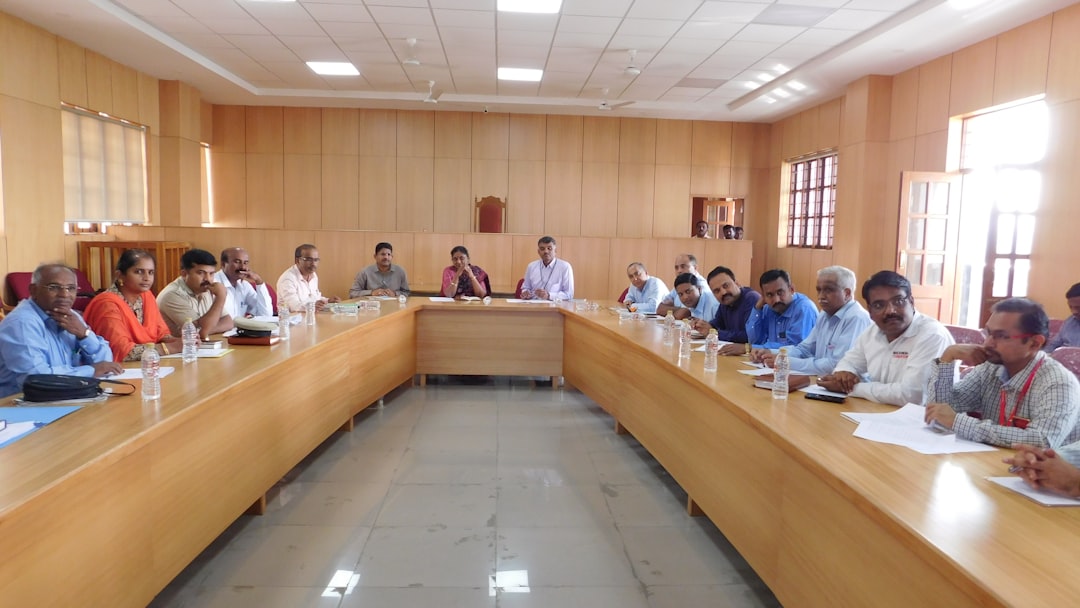
Community leaders spent weeks talking it over with residents. Many shared stories of hesitation, worried that a big crowd might draw unwanted attention. In the end, safety won out over tradition, leaving a void in the holiday schedule.
Looking Back at the Parade’s Legacy
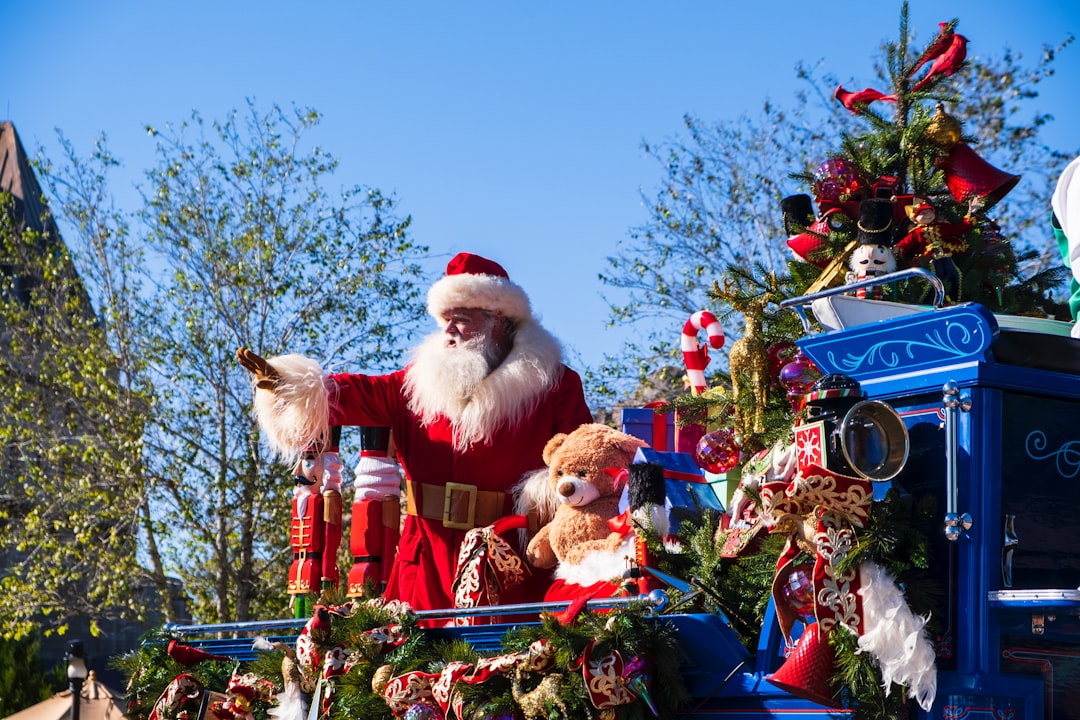
This wasn’t some fly-by-night event. The Milpas Street Holiday Parade has woven itself into the fabric of Santa Barbara for generations. Picture kids waving from sidewalks, mariachi music filling the air, and neighbors bonding over hot cocoa – that’s the magic it’s built on.
Over the years, it’s grown into a symbol of Eastside pride. From humble beginnings to drawing thousands, it celebrated the neighborhood’s diverse spirit. Losing it this time feels like a punch to the gut for those who’ve marched or cheered along the route.
How the Community Is Reacting
News of the cancellation spread like wildfire, sparking a mix of disappointment and solidarity. Social media buzzed with memories of past parades, while some folks voiced frustration over the bigger issues at play. It’s clear this hits close to home for many in the Latino community.
Local leaders are already brainstorming alternatives, like smaller block parties or virtual shout-outs. Though nothing matches the real thing, these ideas show resilience. Still, the overall mood leans toward caution, with families opting to celebrate indoors this season.
Broader Implications for Holiday Events
This isn’t an isolated story. Across California, similar worries have toned down other gatherings, from markets to festivals. When enforcement actions loom large, even joyful occasions take a backseat. It raises questions about how communities balance fun with feeling secure.
Experts note that such cancellations underscore deeper divides. They force organizers to weigh participation against potential fallout. In Santa Barbara, it’s a call to address these fears head-on, perhaps through more inclusive policies down the line.
What Comes Next for Eastside Traditions
Moving forward, the Santa Barbara Eastside Society vows to revive the parade when conditions improve. They’re eyeing next year with hope, but only if the climate shifts. In the meantime, they’re rallying support for affected families through local resources.
Residents are encouraged to stay connected, sharing stories that keep the spirit alive. It’s a tough pivot, but one that could strengthen ties in unexpected ways.
Key Takeaways
- The parade’s cancellation stems from genuine safety concerns for immigrant families in the Eastside.
- This 71-year tradition highlights the Eastside’s cultural heartbeat, now paused amid national debates.
- Community alternatives are emerging, showing adaptability in the face of uncertainty.
In the end, this cancellation serves as a poignant reminder that holidays thrive on safety and inclusion – without them, even the brightest lights dim. What traditions in your area might face similar challenges? Share your thoughts in the comments.