

A Bold Move by Trump Ignites the Debate (Image Credits: Unsplash)
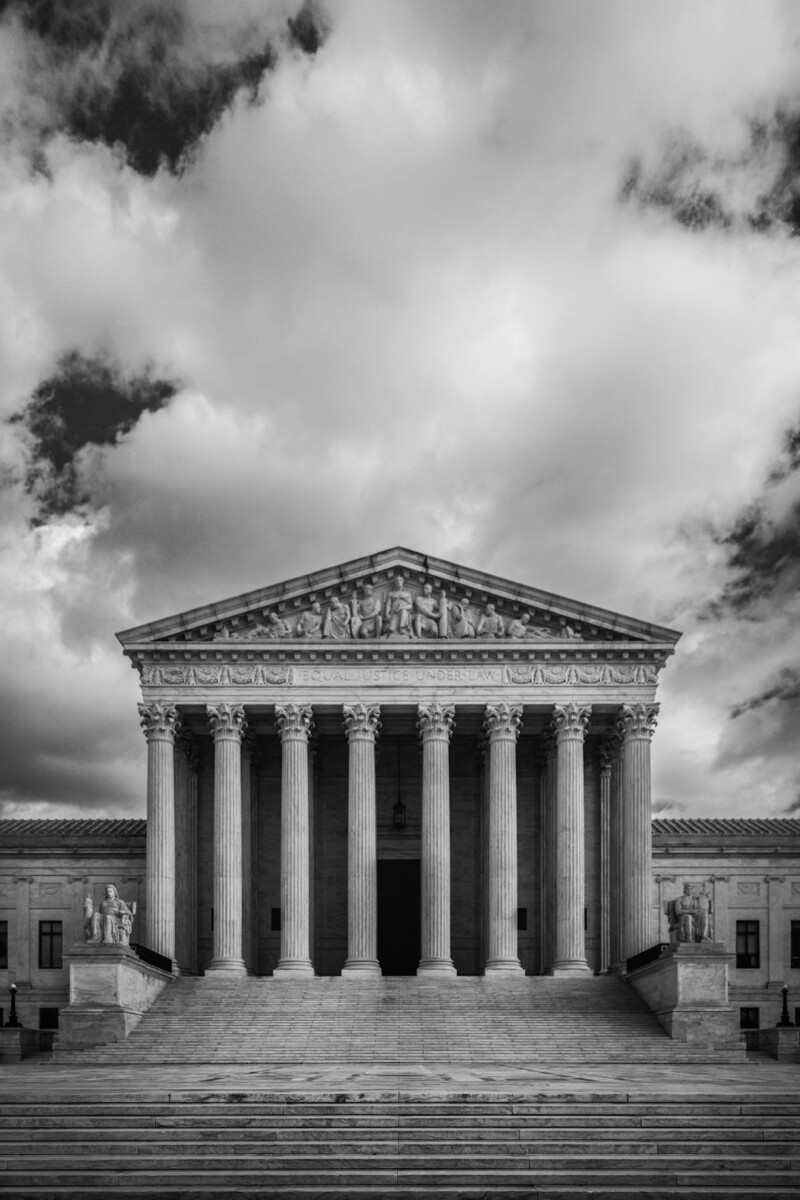
Washington D.C. – Tension hangs in the air like a storm cloud over the marble steps, as justices prepare to dive into a debate that could redefine how presidents wield power.
A Bold Move by Trump Ignites the Debate
Picture this: President Trump, fresh into his term, decides to clean house at the Federal Trade Commission by firing a Democratic commissioner. It’s not just any dismissal; it’s a direct challenge to laws designed to keep agencies like the FTC somewhat shielded from White House whims. Rebecca Kelly Slaughter, the commissioner in question, didn’t go quietly. She fought back, arguing that federal statutes protect her job unless there’s clear cause for removal.
This clash landed in the Supreme Court after lower courts temporarily blocked the firing. Now, with arguments set for Monday, the nine justices will scrutinize whether such protections hold up in today’s political landscape. It’s a high-stakes moment, blending constitutional principles with modern governance realities.
At its core, the case tests the boundaries of executive authority. Trump’s team claims the president needs full control to enforce the law effectively, while defenders of the status quo warn of politicized watchdogs.
Humphrey’s Executor: The 1935 Ruling Hanging in the Balance
Back in 1935, during the New Deal era, the Supreme Court handed down Humphrey’s Executor v. United States, a decision that limited presidential firing powers over certain officials. It allowed Congress to insulate heads of independent agencies from at-will removal, ensuring they could operate without constant political pressure. That precedent has stood for nearly a century, shaping everything from antitrust enforcement to labor protections.
Fast forward to now, and Trump’s FTC action puts that ruling squarely on the chopping block. Critics say overturning it would unleash a wave of instability in regulatory bodies. Supporters argue it’s outdated, tying the president’s hands in an era of rapid policy needs.
The FTC, tasked with battling monopolies and scams, exemplifies why these protections exist. Without them, commissioners might prioritize loyalty over public interest, altering how we tackle big business.
Unitary Executive Theory: Trump’s Legal North Star
Enter the unitary executive theory, a conservative legal idea that views the president as the sole head of the executive branch. Proponents, including many in Trump’s circle, believe this means unchecked authority to hire and fire at will. It’s gained traction in recent years, fueling pushes to dismantle what they see as bureaucratic roadblocks.
In this case, the administration leans hard on that concept. They argue the FTC wields too much executive muscle to remain independent. If the Court agrees, it could ripple through dozens of agencies, from the SEC to the FCC.
Yet opponents counter that Congress intentionally created these buffers to prevent abuse. The debate isn’t abstract; it’s about who really calls the shots in Washington.
Which Agencies Could Feel the Shake-Up?
Independent agencies form the backbone of U.S. regulation, handling everything from consumer safety to environmental rules. A ruling favoring Trump might upend protections for leaders at places like the National Labor Relations Board or the Consumer Financial Protection Bureau. Imagine presidents swapping out officials mid-term to align with their agendas.
To grasp the scope, consider this list of key players potentially affected:
- Federal Trade Commission (FTC): Antitrust and consumer protection.
- Securities and Exchange Commission (SEC): Wall Street oversight.
- Environmental Protection Agency (EPA): Though not fully independent, similar dynamics apply.
- Federal Reserve: Monetary policy guardians.
- Merit Systems Protection Board: Federal employee rights.
Each one balances expertise against politics. Disrupting that could slow down or slant decisions on issues we all care about, like fair pricing or clean air.
The Justices’ Leanings and Possible Outcomes
With a 6-3 conservative majority, the Court has shown a pattern of expanding executive reach in past cases. Justices like Clarence Thomas and Samuel Alito often back stronger presidential powers. On the flip side, the liberal trio – Sonia Sotomayor, Elena Kagan, and Ketanji Brown Jackson – might rally to preserve the precedent.
Outcomes could range from a full reversal of Humphrey’s Executor to a narrower ruling that keeps the firing intact without broader changes. Either way, expect a decision by summer 2026, potentially reshaping the administrative state.
Sources close to the bench suggest oral arguments will reveal fissures. Watch for questions probing the FTC’s “executive” nature versus its quasi-judicial role.
Everyday Impacts: Why Care About This D.C. Drama?
This isn’t just lawyer talk; it touches your wallet and rights. Stronger presidential control might speed up deregulation, easing business burdens but risking oversight lapses. Think faster approvals for mergers or looser rules on data privacy.
Conversely, maintaining independence could stabilize agencies, fostering consistent policies across administrations. For consumers, that means reliable protection against corporate overreach.
In a divided nation, this case highlights tensions between efficiency and checks on power. It reminds us how Supreme Court rulings echo far beyond the courtroom.
Key Takeaways
- The case challenges a 90-year precedent limiting presidential firings.
- A win for Trump could empower the executive over 50+ independent agencies.
- Outcomes may influence antitrust enforcement and consumer protections nationwide.
As the gavel looms, one thing’s clear: this decision could tilt the scales of American governance for generations. What side are you on in this power struggle? Share your thoughts in the comments below.