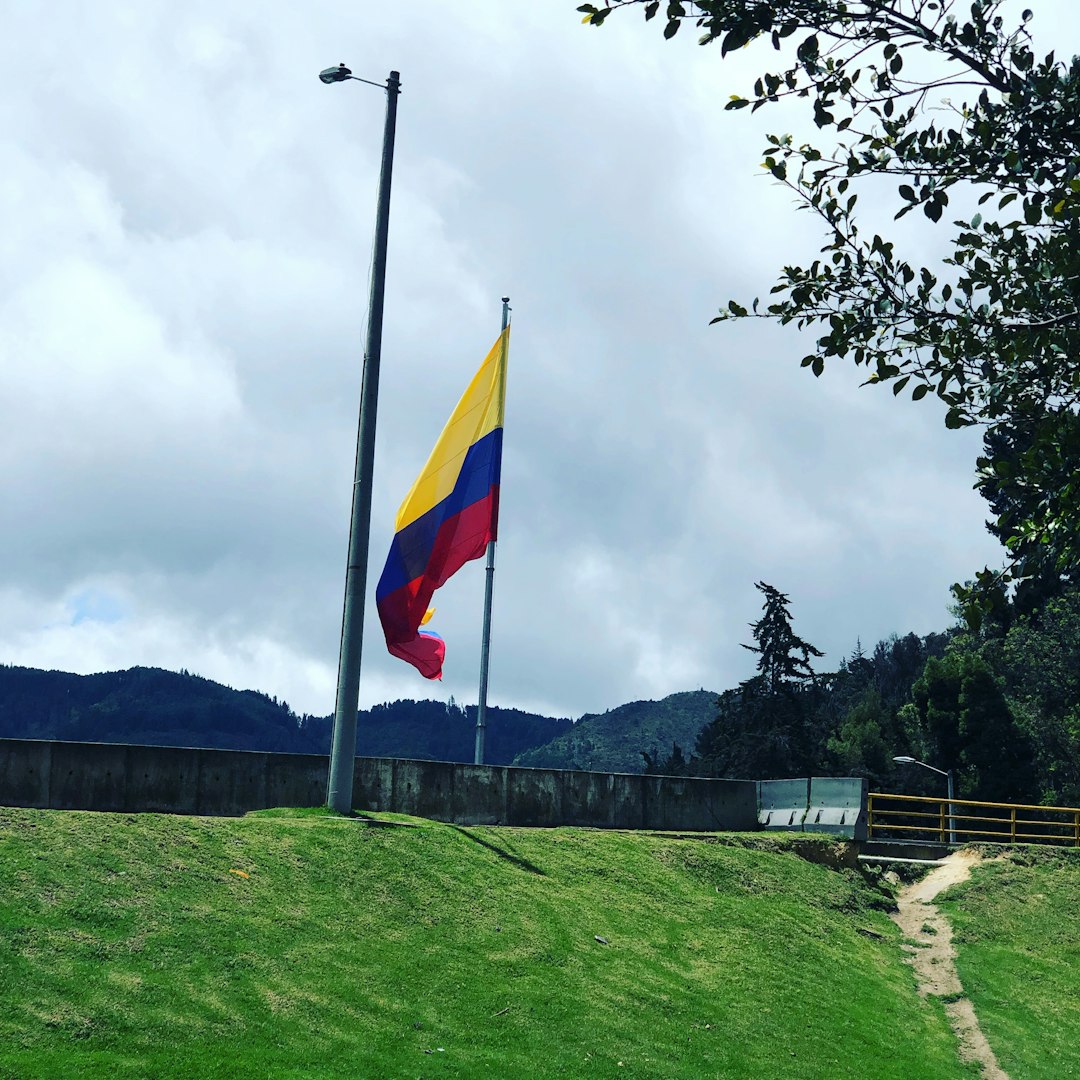


The Spark That Ignited the Border Conflict (Image Credits: Unsplash)
Catatumbo, Colombia – In the misty hills where the Andean foothills meet the Venezuelan border, a tense hush hangs over villages scarred by gunfire and displacement.
The Spark That Ignited the Border Conflict
Imagine a region already battered by decades of violence suddenly erupting into full-scale war. That’s what hit Catatumbo in early 2025, when the National Liberation Army, or ELN, launched a fierce offensive against rival groups. Over 50 civilians lost their lives in the initial clashes, forcing thousands to flee their homes in a desperate bid for safety.
This wasn’t just random chaos. The ELN, a Marxist guerrilla outfit with roots in the 1960s, saw an opening to dominate the area’s lucrative cocaine trade routes. Their push caught the Colombian military off guard, leading to a humanitarian crisis that drew international eyes.
Local leaders had warned of brewing tensions for months. Yet, the scale of the assault shocked everyone, turning quiet farming communities into battlegrounds overnight.
ELN’s Roots and Relentless Rise
The ELN isn’t your typical criminal gang; it’s a revolutionary force blending Catholic ideals with Marxist fervor. Formed in the turbulent ’60s, they’ve long rejected the drug trade on moral grounds but still profit from protection rackets and extortion in places like Catatumbo.
By 2025, their numbers swelled, thanks to alliances across the border in Venezuela. Reports from InSight Crime highlight how Venezuelan support helped them expand, controlling territory that funnels narcotics northward. This binational edge made them nearly untouchable.
Their ideology sets them apart too. Unlike pure narcos, ELN fighters frame their fight as a quest for social justice, which resonates with some locals weary of government neglect.
Petro’s Peace Dream Crumbles Under Fire
President Gustavo Petro came into office promising “total peace” for Colombia’s war-torn lands. He restarted talks with the ELN, aiming to end a conflict that’s claimed thousands of lives over generations.
But the Catatumbo takeover shattered that hope. After the ELN’s deadly spree, Petro’s government hit pause on negotiations in January 2025. Clashes with FARC dissidents only worsened the rift, leaving dialogue in tatters.
Critics point to Petro’s early concessions, like suspending arrest warrants for ELN leaders, as fueling their boldness. Now, with elections looming in 2026, any shot at a deal seems dim.
The Human Toll in Catatumbo’s Chaos
Families in Catatumbo aren’t just statistics; they’re people caught in the crossfire. Over 80,000 have been displaced since the fighting ramped up, many seeking refuge in makeshift camps with little access to food or medical care.
UN experts have sounded the alarm, urging protection for civilians amid the escalation. Schools close, farmers abandon fields, and fear grips daily life as armed groups vie for control.
One stark example: A single massacre in Tibú claimed dozens, underscoring how non-combatants bear the brunt. Humanitarian convoys struggle to reach those in need, highlighting the region’s isolation.
Border Dynamics: Venezuela’s Complicated Role
The Venezuelan border isn’t just a line on a map; it’s a gateway for the ELN’s operations. Ties to Caracas have bolstered their logistics, from safe havens to supply lines, complicating Colombia’s response.
Petro even reached out to Venezuelan leaders post-attacks, pushing for joint action. Yet, accusations of complicity linger, with the ELN reportedly governing pockets in Táchira state across the frontier.
This cross-border web turns Catatumbo into a flashpoint. Drug routes thrive here, pulling in global players and making peace harder to broker.
What’s Next for Colombia’s Fractured Frontier?
Military strikes and aid efforts continue, but the ELN shows no signs of backing down. Recent police ambushes in the northeast, blamed on the group, signal ongoing defiance.
Analysts warn that without mending the peace process, Catatumbo could become a permanent no-man’s-land. The U.S. has even weighed in with naval moves in the Caribbean, eyeing ELN drug links.
Still, glimmers of hope persist through community resilience and international pressure. Rebuilding trust might be the toughest battle yet.
- ELN’s ideological stance rejects direct drug involvement but enables trafficking through control.
- Displacement figures topped 11,000 in early clashes alone.
- Peace talks stalled, with no resumption by late 2025.
- Border alliances with Venezuela amplify the group’s reach.
- Humanitarian needs remain critical, per UN reports.
Key Takeaways
- The ELN’s 2025 offensive in Catatumbo marks a major shift in Colombia’s security landscape.
- Petro’s peace ambitions face an uphill fight amid rising violence.
- Civilians pay the heaviest price, demanding urgent global attention.
In the end, Catatumbo’s story is a reminder that peace isn’t won on battlefields alone – it’s forged through dialogue and justice. As the ELN digs in, Colombia stands at a crossroads: escalate the fight or find a way back to the table? What do you think could turn the tide here? Share in the comments.