

A Bold Claim Meets Silence (Image Credits: Flickr)
London – Amid the chill of a December afternoon, diplomatic tensions simmer as leaders gather to chart a path out of conflict.
A Bold Claim Meets Silence
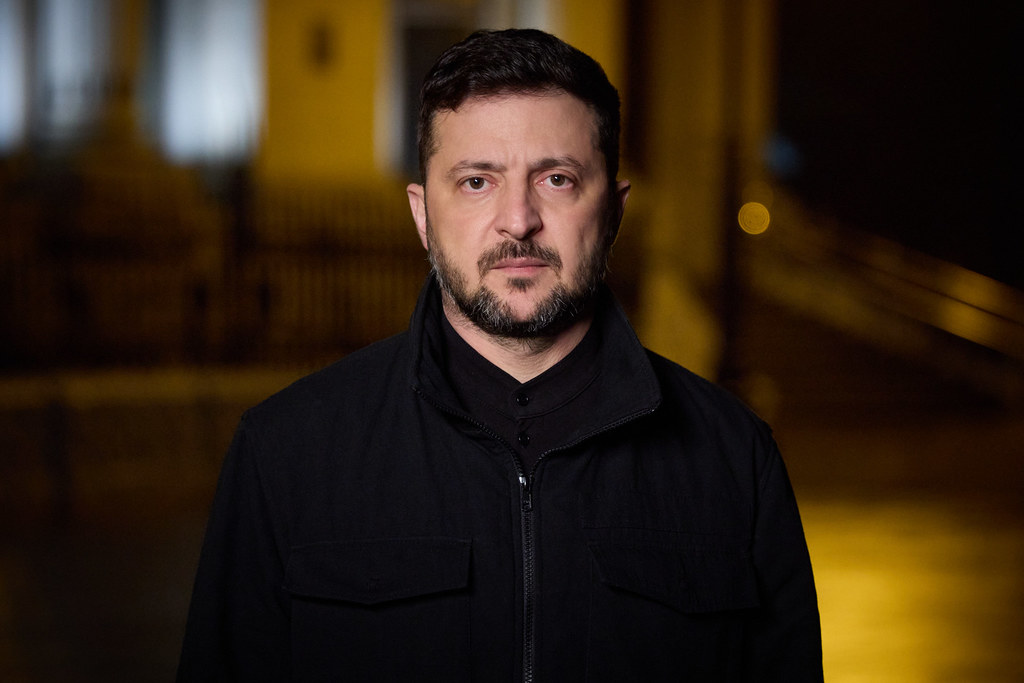
President Donald Trump didn’t hold back his frustration during a recent statement. He revealed that Ukrainian President Volodymyr Zelenskyy hasn’t even glanced at the newest U.S. proposal aimed at wrapping up Russia’s invasion. This comes at a pivotal moment, with peace talks hanging in the balance.
Trump’s words carry weight because he entered office vowing to resolve the war swiftly. Yet here we are, months in, and a key document remains untouched. It’s a reminder of how fragile these negotiations can be, especially when trust is already thin.
The proposal, crafted by U.S. envoys, builds on earlier drafts but includes tweaks that Trump believes could finally break the deadlock. Still, without Zelenskyy’s input, progress stalls.
Unpacking the U.S. Proposal
At its core, the plan pushes for an immediate ceasefire, with provisions for territorial adjustments and security guarantees. Trump suggested Russia is on board with this version, calling it a step forward. But details remain guarded, fueling speculation about what concessions Ukraine might face.
From what has leaked out, the document addresses NATO membership delays for Ukraine and economic aid packages to rebuild war-torn areas. It’s designed to appeal to both sides, though critics argue it tilts too far toward Moscow’s interests.
Zelenskyy’s team has acknowledged receiving it but insists on thorough verification before any deep dive. This cautious approach stems from past experiences where rushed deals backfired.
Zelenskyy’s London Talks Take Center Stage
While the proposal gathers dust, Zelenskyy turned his focus to Europe. He met with UK Prime Minister Sir Keir Starmer, French President Emmanuel Macron, and German Chancellor Friedrich Merz in Downing Street. The gathering underscored a united front against unilateral moves.
Starmer described the discussions as reaching a “critical stage” for peace. Leaders emphasized sustained support for Ukraine, hinting at wariness toward the U.S. plan without broader buy-in. It’s clear Europe wants a say in any final agreement.
These talks highlight Zelenskyy’s strategy: building alliances to strengthen his negotiating position. By delaying the U.S. document, he’s buying time to align with partners who share Ukraine’s long-term goals.
Russia’s Mixed Signals Add Fuel to the Fire
The Kremlin hasn’t exactly rolled out the red carpet for the proposal either. Officials indicated a desire for “radical changes,” suggesting the current draft falls short of their demands. This pushback complicates Trump’s narrative of near-consensus.
Putin’s team has long insisted on recognition of annexed territories and limits on Ukraine’s military. If the U.S. plan doesn’t deliver on those, expect more airstrikes and ground advances to pressure the table.
Meanwhile, on social media, opinions swirl. Some posts on X praise Trump’s direct style, while others see it as bullying an ally in need. The divide reflects broader global fatigue with the ongoing conflict.
Tensions Between Allies: A Deeper Look
Trump and Zelenskyy’s relationship has had its ups and downs since the election. Early promises of quick resolutions gave way to pointed exchanges, like this one over the unread plan. It’s not just about the document; it’s about differing visions for Europe’s security.
U.S. sources close to the matter express optimism that once reviewed, Zelenskyy will engage constructively. Yet the delay risks eroding momentum, especially as winter bites harder on the front lines.
Key Takeaways from the Standoff
- Trump’s proposal aims for a ceasefire but faces scrutiny over balance and feasibility.
- Zelenskyy’s European meetings signal a push for multilateral support before U.S.-led deals.
- Russia’s calls for changes highlight the gap between parties, prolonging uncertainty.
As 2025 draws to a close, this unread plan symbolizes the war’s stubborn persistence. Both leaders want an end, but paths diverge sharply. True peace might require more than words – it demands compromise from all corners. What do you think could finally tip the scales? Share your thoughts in the comments.