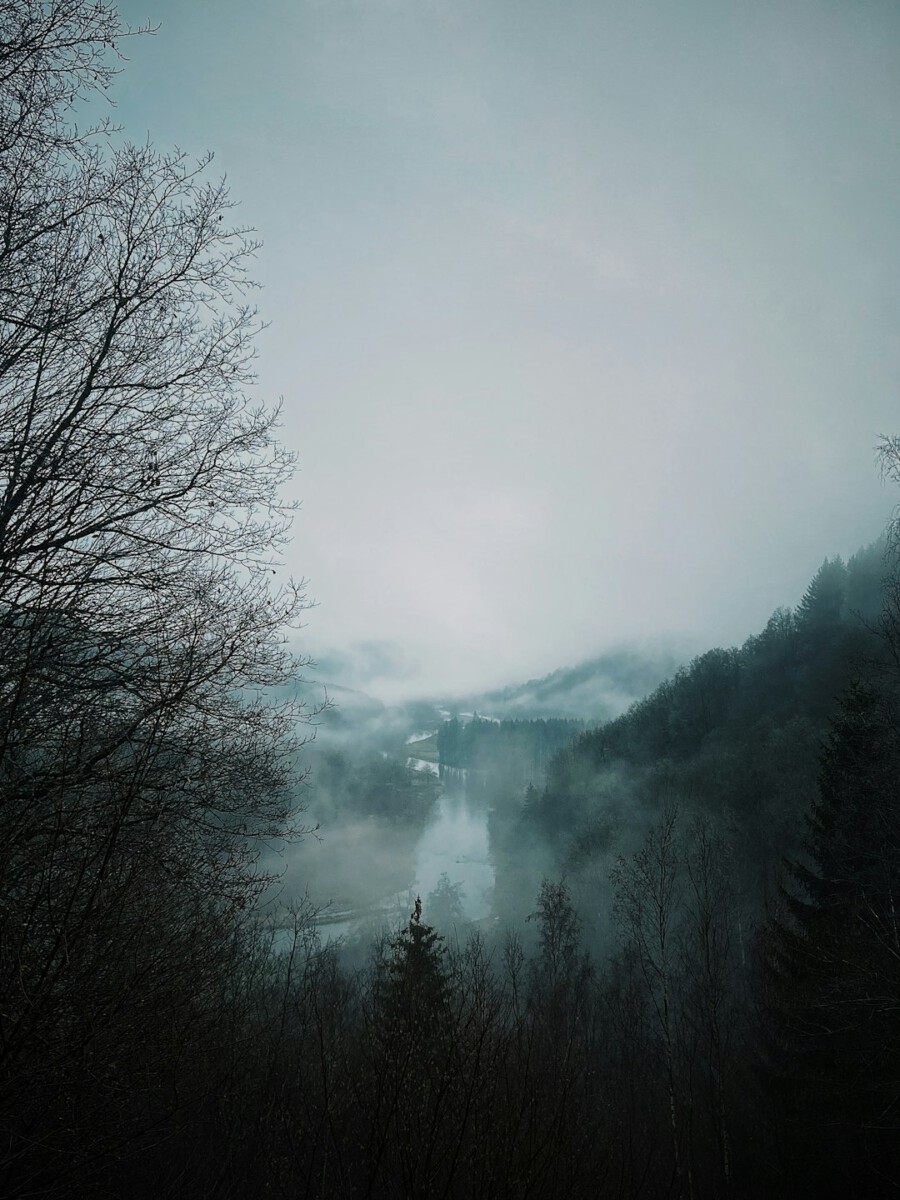


What’s Behind This Stubborn Sky? (Image Credits: Unsplash)
Central Valley – A thick layer of gray hangs low over the fields and highways, muting the winter sun and turning crisp mornings into something far more subdued.
What’s Behind This Stubborn Sky?
Imagine waking up to the same overcast view for more than two weeks straight. That’s the reality for folks in California’s Central Valley right now. A massive cloud bank, fueled by tule fog, has settled in and shows no signs of budging.
Meteorologists call it extreme, and for good reason. This isn’t your typical morning mist. It’s a persistent blanket that’s lasted 16 days already, trapping moisture close to the ground and keeping temperatures stubbornly low.
The setup involves a high-pressure system offshore, blocking clearer skies from rolling in. Without that usual winter punch of storms, the valley stays socked in, day after day.
The Cold Snap That’s Building
Here’s the kicker: this cloud cover isn’t just annoying drivers with reduced visibility. It’s setting the stage for what could be the coldest December on record in parts of the region.
Daytime highs are barely cracking the 50s, while nights dip into the 30s and lower. That constant overcast acts like a lid, preventing any warming from the sun and letting the chill seep in deeper.
Experts from the National Weather Service point out that similar patterns in the past have led to frost advisories and even light freezes. If it holds, holiday gatherings might need extra layers this year.
How Daily Life Feels the Fog
Farmers in the valley are watching closely. Those endless clouds mean less sunlight for crops, potentially slowing growth during what should be a dormant season anyway.
Commuters deal with slick roads from the dampness, and air quality dips as pollutants get trapped below the inversion layer. Schools and events push for indoor alternatives when the fog thickens up.
Still, locals have adapted over the years to these foggy spells. It’s part of the rhythm here, though this one’s testing even the most patient.
Forecast: More of the Same Ahead
Looking at the models, relief isn’t coming soon. The cloud bank could linger another week or more, keeping the valley in its grip through mid-December.
A shift might happen if that offshore high weakens, allowing some drier air to filter in. Until then, expect patchy sun at best, with the fog rolling back each evening.
Broader patterns, like a building polar vortex to the east, could influence things too, but for now, the focus stays local on this unyielding overcast.
Why This Matters for the Whole State
The Central Valley’s weather doesn’t stay contained. That persistent moisture can feed into larger systems, affecting rainfall totals down the line.
While Southern California basks in clearer skies, the valley’s chill highlights California’s diverse microclimates. It reminds us how one region’s gloom can contrast sharply with another’s warmth.
Environmental watchers note this could ease fire risks by keeping things damp, but it also stresses water management as reservoirs stay topped up from earlier rains.
Comparing Past Winters
We’ve seen echoes of this before. Back in 2010, a similar fog episode led to one of the coolest Decembers in decades, with temperatures averaging 5 degrees below normal.
To break it down:
- 2010 December: Average high of 54°F, fog for 20+ days.
- 2020 December: Milder at 62°F, but shorter cloud spells.
- Current 2025: On track for 52°F or lower if clouds persist.
- Record Cold: 48°F set in 1972 – could it fall?
| Year | Avg High (°F) | Fog Days |
|---|---|---|
| 2010 | 54 | 22 |
| 2020 | 62 | 10 |
| 2025 (proj.) | 52 | 20+ |
Key Takeaways for Valley Residents
- Dress in layers and check road conditions daily to stay safe in the fog.
- Monitor local forecasts for frost alerts that could impact plants or pipes.
- This pattern might boost groundwater recharge, a silver lining for drought concerns.
As this cloud bank stretches on, it’s a reminder of nature’s quirks in the heart of California. Bundle up and make the most of those rare clear moments. What are you noticing about the weather where you are? Share in the comments below.