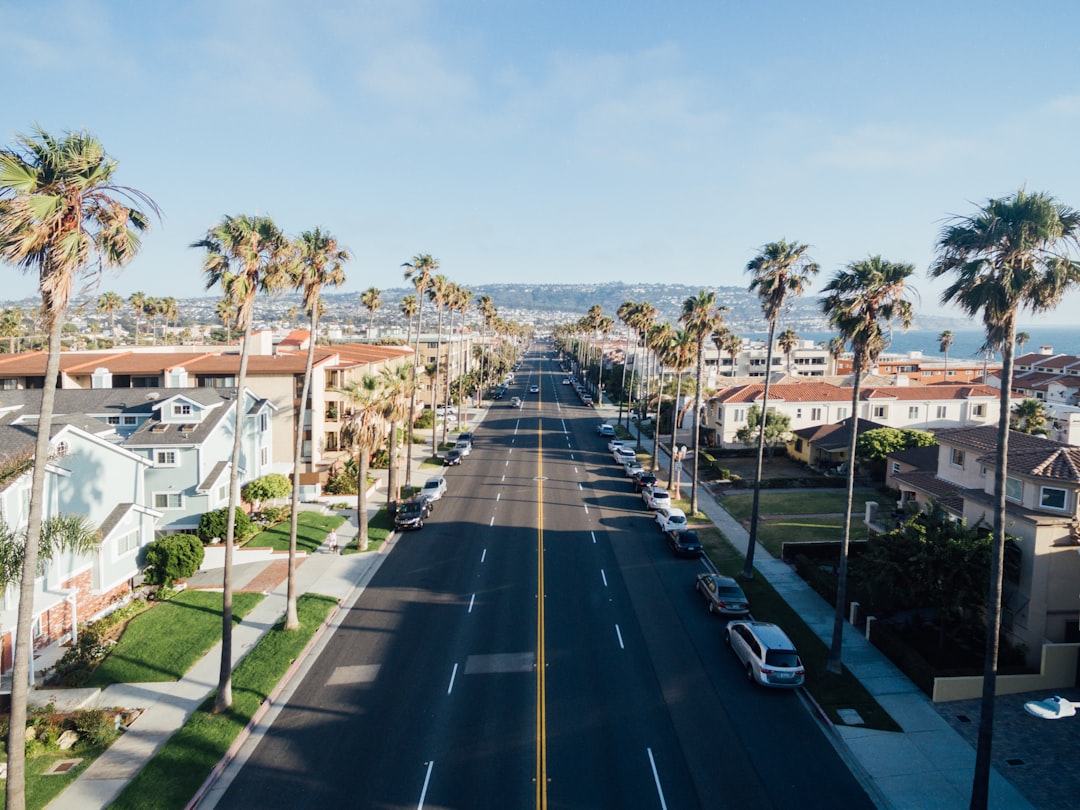


Unexpected Storms Shake the Golden State (Image Credits: Unsplash)
California – under a sky heavy with unexpected rain clouds, communities along the coast feel the first uneasy stirrings of winds that shouldn’t belong here.
Unexpected Storms Shake the Golden State
Picture this: a hurricane barreling toward Southern California, something experts once dismissed as impossible. Yet in 2025, Hurricane Erin proved them wrong, slamming the region with fierce winds and flooding that caught many off guard. For Latino residents, who make up nearly 40% of the state’s population, these events aren’t just weather anomalies – they’re a stark reminder of deeper vulnerabilities.
This rare tropical threat highlights how climate change is rewriting California’s disaster playbook. Latinos often live in areas prone to flooding, like low-lying neighborhoods in Los Angeles and Riverside, where infrastructure lags behind. The impact goes beyond immediate damage, exposing long-standing inequities in preparedness and recovery.
Experts from NASA have noted that while full-blown hurricanes are uncommon, tropical storms can still wreak havoc. In a state already grappling with wildfires and droughts, these events add another layer of risk that disproportionately burdens minority groups.
Why Latinos Bear the Brunt of Climate Disasters
Here’s a sobering fact: Latino communities in California face higher exposure to extreme weather because many work in agriculture, construction, and service industries that keep them outdoors or in flood-prone zones. A recent UnidosUS report underscores this, showing that nearly half of Latino voters worry about climate impacts like hurricanes and heatwaves more than the average resident.
Employment plays a huge role too. With Latinos holding a large share of essential jobs, they’re often the last to evacuate or the first to return to clean up. Poverty rates, hovering around 18% for this group according to Census data, mean fewer resources for home reinforcements or insurance, leaving families exposed when storms hit.
Education gaps compound the issue. Schools in Latino-heavy districts receive less funding, limiting awareness campaigns about evacuation routes or emergency kits. It’s a cycle where systemic oversights turn natural events into prolonged hardships.
The Lasting Echoes of Past Storms on Minorities
Looking back, hurricanes like Katrina and Maria showed how disasters devastate minority communities, a pattern now echoing in California. The Los Angeles Times recently detailed how Erin in 2025 echoed those tragedies, with Latino neighborhoods suffering the most from power outages and road closures that isolated them for days.
Recovery is uneven. While wealthier areas bounce back quickly, Latino enclaves wait longer for aid. In Riverside, focus groups revealed fears among Latino families about deportation fears deterring them from seeking federal help post-storm.
This isn’t new – it’s a civil rights issue disguised as weather news. As climate events intensify, the state’s failure to address these disparities risks turning one-off storms into ongoing crises.
Gaps in State Support Leave Communities Exposed
California prides itself on progressive policies, yet when it comes to Latino welfare amid climate threats, the record falls short. A Los Angeles Times opinion piece from December 2025 points out that minorities here fare worse than in Texas or the Midwest, with higher poverty and unemployment rates post-disaster.
Funding for resilient infrastructure often skips over Latino-majority areas. For instance, flood barriers and early warning systems are underfunded in places like Santa Ana, where 70% of residents are Latino. This neglect stems from political priorities that overlook these demographics.
Social services strain under the weight too. Undocumented immigrants, a significant portion of the Latino population, hesitate to access emergency aid due to immigration fears, as noted in recent Pew Research estimates of 1.85 million undocumented residents in the state.
Voices from the Frontlines: Real Stories of Resilience
On the ground, Latino-led mutual aid groups step up where government falls short. During Hurricane Hilary in 2023, volunteers in Los Angeles distributed water and sandbags to unhoused Latinos, many of whom live in flood-vulnerable spots. These efforts highlight community strength but also the burden of self-reliance.
Posts on X from affected residents echo this, sharing tales of neighbors pooling resources to protect homes while waiting for official help that arrives late. It’s inspiring, yet it underscores a key frustration: why must communities fight these battles alone?
- Barriers to insurance: High premiums deter sign-ups in low-income areas.
- Limited evacuation options: Public transit cuts during storms strand workers.
- Health risks amplified: Post-flood mold and contaminated water hit densely packed households hardest.
- Cultural language gaps: Alerts in English only leave Spanish-speaking families uninformed.
- Economic fallout: Job losses in storm-hit sectors prolong recovery for breadwinners.
Building a Fairer Future Amid Rising Tides
To turn the tide, California needs targeted investments – like bilingual alert systems and affordable retrofitting grants for Latino homes. Policymakers could learn from UnidosUS polls, prioritizing equity in climate plans to protect the state’s growing Latino population, now over 15 million strong.
Small changes, such as community-led disaster drills, could save lives. Yet without broader reforms, these storms will keep exposing the cracks in the system.
| Challenge | Impact on Latinos | Potential Fix |
|---|---|---|
| Flood-Prone Housing | Higher displacement rates | Subsidized elevations |
| Job Vulnerabilities | Lost wages during outages | Emergency paid leave |
| Aid Access | Fear of reporting damage | Immigration-safe programs |
Key Takeaways:
- Hurricanes like Erin reveal California’s uneven disaster response, hitting Latinos hardest.
- Systemic issues like poverty and underfunding amplify risks for this key demographic.
- Empowering communities through equitable policies is essential for real resilience.
In the end, California’s Latino population isn’t just weathering storms – they’re demanding a seat at the table for solutions. What steps do you think the state should take next? Share your thoughts in the comments.