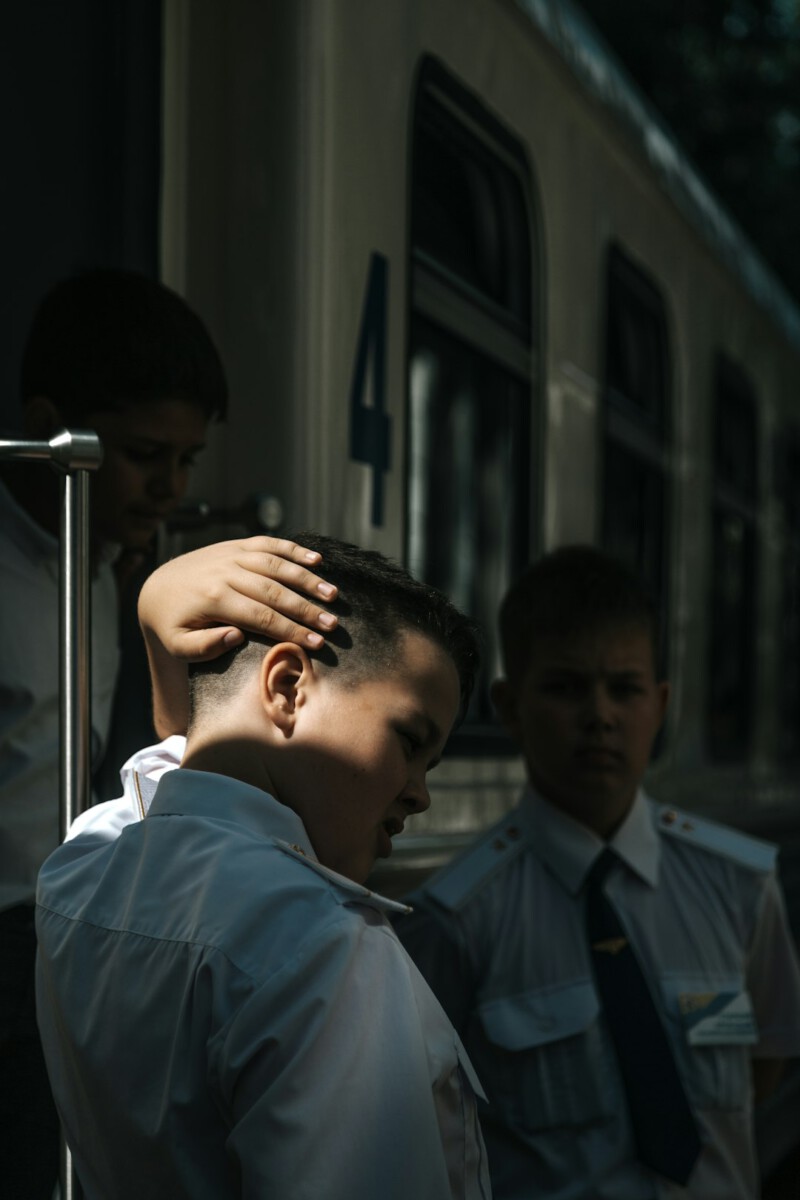


The Hidden Toll on Student Well-Being (Image Credits: Unsplash)
In high school corridors where laughter once echoed freely, a tense hush now lingers, broken only by whispers of worry among students from immigrant backgrounds.
The Hidden Toll on Student Well-Being
Imagine walking into class knowing a raid could upend your world. That’s the reality for many kids right now. A fresh report from UCLA and UC Riverside paints a stark picture of how Immigration and Customs Enforcement actions are rippling through public high schools across the country.
Principals from various states report a sharp uptick in distress. Students aren’t just scared; they’re pulling away. This isn’t isolated – it’s a nationwide pattern that’s reshaping daily school life.
The study, based on surveys of hundreds of school leaders, highlights how fear translates into real behaviors. Kids from immigrant families feel targeted, and it shows in everything from social interactions to showing up for lessons.
Bullying Surges Amid Growing Anxieties
Bullying incidents have spiked dramatically, according to the findings. What starts as taunts about immigration status can escalate quickly, leaving lasting scars on vulnerable teens.
School administrators note that derogatory comments and exclusion are on the rise. This isn’t random cruelty; it’s fueled by the broader atmosphere of enforcement. For students already navigating identity and belonging, it adds an unbearable layer of pressure.
One principal described hallways turning hostile, with immigrant youth facing more isolation. The study links this directly to recent raids, suggesting that external fears are bleeding into peer dynamics.
Attendance Plummets: Empty Desks Tell the Story
Chronic absenteeism is another red flag waving high. Families are keeping kids home out of sheer precaution, leading to desks sitting vacant for days on end.
The report details how attendance rates have dipped in districts near raid hotspots. In some areas, like parts of California, the drop is noticeable enough to disrupt entire class rhythms. Principals worry about the long-term hit to learning and graduation chances.
Beyond numbers, it’s about trust. When students fear stepping out, school becomes a risk rather than a refuge. This cycle only deepens the isolation.
Academic Struggles in the Wake of Fear
With minds preoccupied by uncertainty, focus in the classroom suffers. The study connects these enforcement actions to slipping grades and disengagement.
Teachers report students zoning out or withdrawing completely. It’s not laziness; it’s survival mode kicking in. Even U.S.-born kids in mixed families feel the strain, creating a ripple effect on group projects and discussions.
- Heightened anxiety leads to concentration lapses.
- Family obligations, like caring for siblings during raids, pull kids away.
- Overall morale dips, affecting teacher-student bonds.
- Longer absences mean catching up becomes a battle.
- Some schools see broader enrollment declines as families relocate quietly.
Wider Impacts on School Communities
Schools aren’t just dealing with individual cases; the whole environment shifts. Counselors are overwhelmed, and resources stretch thin to address the emotional fallout.
The report emphasizes how this “climate of distress” affects everyone. Non-immigrant students pick up on the tension, sometimes mirroring the biases they hear outside. It fosters division where unity is needed most.
Leaders call for more support, like training on cultural sensitivity. Without intervention, the damage could linger for years, altering how a generation views authority and community.
Voices from the Frontlines
High school principals shared raw insights in the survey. Many described a palpable change since raids intensified, with immigrant students becoming more withdrawn.
In California and beyond, stories of kids skipping events or avoiding friends emerge. It’s a quiet crisis, but one that’s loud in its consequences for mental health and education equity.
The study urges policymakers to consider these human costs. Schools want to protect all students, yet they’re caught in the crossfire of national debates.
| Issue | Reported Impact | Potential Long-Term Effect |
|---|---|---|
| Bullying | Increased incidents targeting immigrant youth | Eroded trust and higher dropout risks |
| Attendance | Sharp declines in affected districts | Gaps in learning and achievement |
| Distress Climate | Widespread anxiety among students | Broader mental health challenges |
Key Takeaways:
- ICE raids are linked to a “climate of distress” in U.S. high schools, per a UCLA/UC Riverside study.
- Bullying against immigrant students has risen, straining school resources.
- Attendance drops signal deeper fears, impacting academic progress for all.
As this study shows, the effects of immigration enforcement reach far beyond borders – they’re reshaping young lives in unexpected ways. It’s a call to balance security with compassion in our communities. What steps do you think schools should take next? Share your thoughts in the comments.