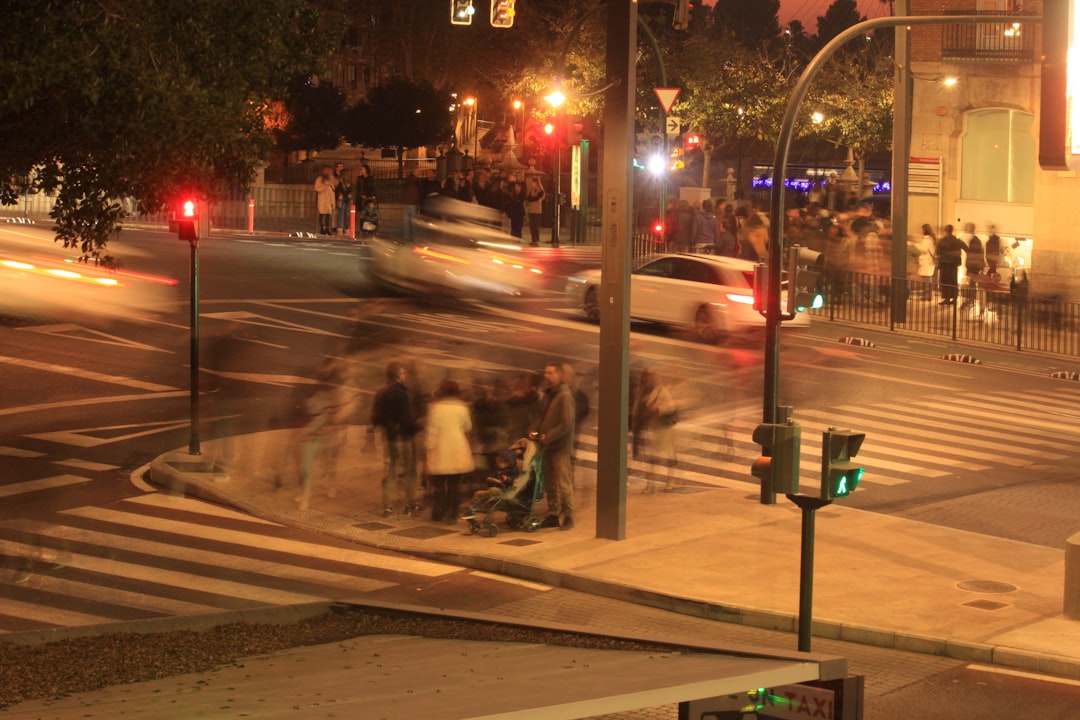


A Frustrating Wait Turns into Action (Image Credits: Unsplash)
Westwood – Amid the hum of a busy intersection, fresh white lines gleamed under the afternoon sun as volunteers gripped paint rollers, determined to make a difference one stripe at a time.
A Frustrating Wait Turns into Action
Imagine staring at faded crosswalks day after day, knowing they could spell danger for pedestrians. That’s the reality for many in Los Angeles, where city bureaucracy often slows down even simple fixes. A group of dedicated activists decided enough was enough. They rolled up their sleeves and took matters into their own hands, targeting high-risk spots in Westwood to boost visibility and safety.
These weren’t random graffiti artists. The volunteers, part of efforts like People’s Vision Zero, had been pushing officials for months. Yet delays persisted, leaving intersections vulnerable. On a recent Sunday, they showed up with supplies, ready to paint three crosswalks themselves.
The Moment Police Stepped In
Halfway through their third project, sirens cut through the air. LAPD officers arrived, halting the operation on the spot. What started as a community service initiative quickly escalated into a standoff. One organizer, Jonathan Hale, faced a citation for misdemeanor vandalism on city property.
The charge? Damaging public infrastructure, even though the goal was to enhance it. Fire department officials joined the scene too, citing safety concerns over the unsanctioned work. The activists packed up, their bold plan derailed in minutes.
Why Crosswalks Matter More Than You Think
Pedestrian accidents don’t make headlines until it’s too late. In bustling areas like Westwood, near UCLA, students and locals cross streets teeming with traffic. Faded or missing markings contribute to confusion and crashes. Studies show well-painted crosswalks can reduce incidents by up to 20 percent, yet maintenance lags behind.
Volunteers argue the city has the budget but not the urgency. Hale and his team notified officials repeatedly, only to hit walls of red tape. Their DIY approach aimed to spotlight these gaps, forcing a conversation on urban safety.
Legal Lines: Vandalism or Public Service?
California law treats unauthorized alterations to public property as vandalism, with fines starting at $250. Critics call it a harsh response to good intentions. Supporters of the police action point to risks: improper paint could lead to slips or uneven surfaces, endangering the very people the activists wanted to protect.
Still, this isn’t the first time. Similar efforts across LA have drawn fines, yet they’ve sparked change. Groups like Crosswalk Collective have faced citations before, turning them into rallying cries for better infrastructure.
Voices from the Street
Local residents watched the scene unfold with mixed reactions. Some cheered the activists’ guts, frustrated by slow city responses. Others worried about precedents – could this encourage more unchecked actions? Social media buzzed with posts supporting the cause, highlighting dangerous spots citywide.
- Key frustrations: Months of ignored requests to officials.
- Common goal: Safer streets for everyone, especially vulnerable walkers.
- Broader impact: Pushing for policy shifts in pedestrian protections.
- Potential fixes: Community workshops or faster permit processes.
- Ongoing debate: When does activism cross into illegality?
Looking Ahead: Can This Spark Real Change?
The incident shines a light on deeper issues in LA’s street safety efforts. While the citation stings, it might just amplify the activists’ message. City leaders could respond with quicker approvals or dedicated funds for crosswalks. After all, safe streets benefit us all.
Key Takeaways
- Activists highlight critical delays in urban safety upgrades.
- Police enforcement prioritizes protocol over immediate fixes.
- Community actions often lead to policy discussions and improvements.
In the end, this clash reminds us that passion for safety can move mountains – or at least get people talking. What would you do if your neighborhood’s streets felt unsafe? Share your thoughts in the comments.