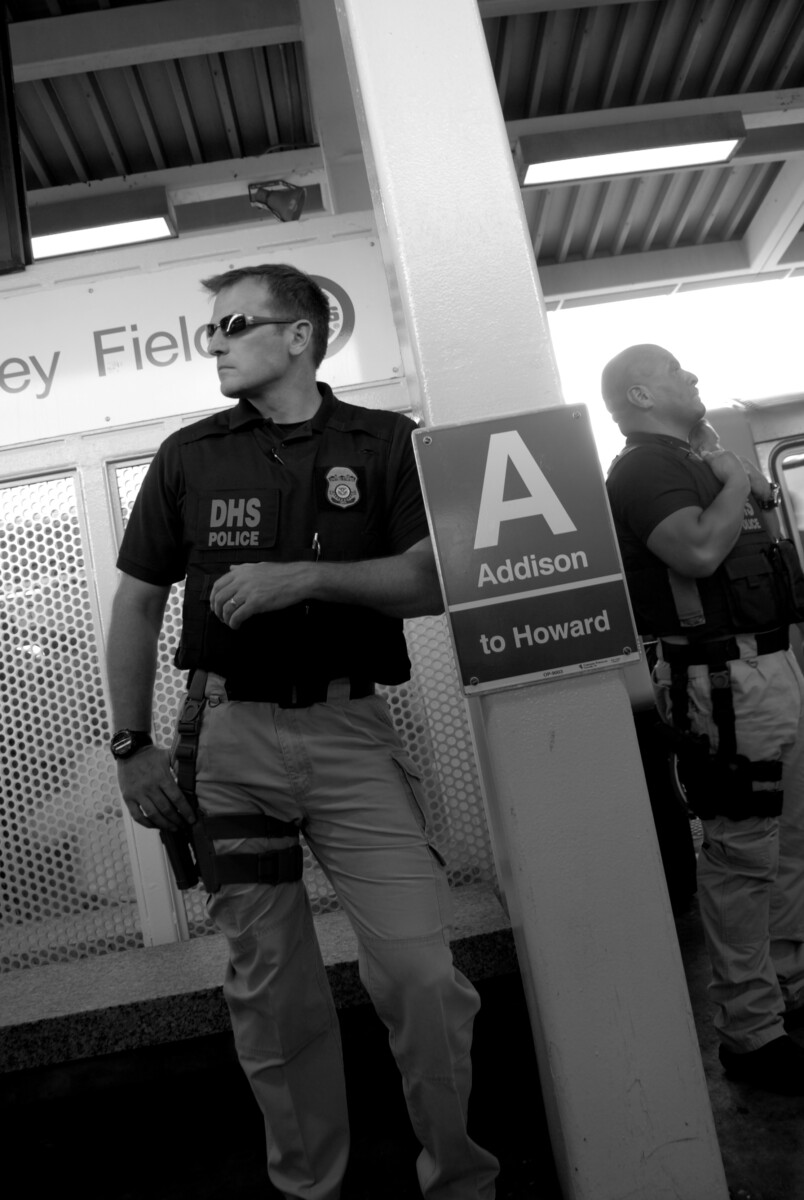


The Alarming Rise in Transit Terror (Image Credits: Upload.wikimedia.org)
Chicago – amid the daily rush of commuters squeezing into crowded trains under flickering lights, a shadow of fear has grown thicker, prompting urgent calls for change from Washington.
The Alarming Rise in Transit Terror
Imagine stepping onto your usual train, only to hear about yet another assault just days before. That’s the reality for many in Chicago right now. Violent incidents on the CTA have spiked to levels not seen in nearly a decade, with reports showing over 2,800 crimes at stations and platforms in the past year alone.
This isn’t just numbers on a page. Riders and workers face real dangers, from robberies to brutal attacks. The second-highest tally of violent crimes since 2015 means everyday folks are rethinking their routes or avoiding public transit altogether.
Federal officials point to this trend as a crisis that’s been building for years. They argue the system has let safety slip, turning what should be a reliable commute into a gamble.
Washington Steps In with a Stern Warning
The U.S. Department of Transportation isn’t mincing words. On Tuesday, they issued a directive straight to the CTA, demanding immediate steps to curb the violence or risk losing crucial federal dollars.
Transportation Secretary Sean Duffy has made it clear: no more excuses. This comes after high-profile threats earlier in the year, but now it’s official. The feds see the CTA’s struggles as a failure to protect both passengers and staff.
With billions in funding on the line, this pressure could force real shifts. Local leaders in Chicago are scrambling to respond, knowing the stakes involve more than just buses and trains.
What Exactly Are the Feds Demanding?
The demands are straightforward and urgent. First, ramp up law enforcement patrols across the entire system, from the bustling Loop to outlying neighborhoods.
They want visible cops on platforms and inside vehicles, not just occasional checks. Training for transit staff on handling threats is another key ask, along with better coordination with city police.
Here’s a quick breakdown of the main requirements:
- Increase uniformed officers on trains and buses during peak hours.
- Implement tech like better cameras and real-time alerts for emergencies.
- Track and report assaults on workers more aggressively to build a safer environment.
- Address fare evasion, which officials link to broader disorder.
- Clean up stations to deter loiterers and improve overall vibes.
A Chilling Catalyst: The Recent Fire Attack
Nothing underscores the urgency like last month’s horrifying incident. A woman was doused with gasoline and set ablaze on a moving train, an event that shocked the nation and highlighted the CTA’s vulnerabilities.
Such attacks aren’t isolated. Workers report being punched, spat on, and worse, with arrests following only a fraction of cases. Fewer than one in five violent incidents lead to cuffs, compared to higher rates for other crimes.
This tragedy has galvanized action. Community leaders and riders alike are demanding accountability, pushing for the CTA to prioritize human lives over budget woes.
How This Hits Riders and the Bottom Line
For the average Chicagoan, the fallout feels personal. Longer waits for safer rides mean disrupted lives, especially for those who rely on transit to get to work or school.
The CTA already plans a fare hike of 25 cents, which stings amid these safety fears. State lawmakers eye bailouts for the system, but federal cuts could balloon costs for everyone.
Compare the trends in a snapshot:
| Period | Reported Crimes | Violent Crimes |
|---|---|---|
| Aug 2024–Jul 2025 | 2,893 | Second-highest since 2015 |
| 10 years ago | N/A | Nearly double current rate |
What’s Next for Chicago’s Commute?
The clock is ticking. The CTA has a tight window to outline its plan, with the feds watching closely. Success here could restore trust and keep the funds flowing.
Failure, though, might mean service cuts or higher fares, hitting the city’s most vulnerable hardest. Local voices, from unions to everyday users, urge swift, bold moves.
Key Takeaways:
- Federal funding hangs in the balance over CTA safety lapses.
- Immediate boosts in policing and training are non-negotiable.
- Rising violence, like the recent train attack, demands urgent reform.
In the end, safe streets start with safe transit – Chicago has a chance to turn this around, but only if leaders act fast. What steps would you take to make the CTA secure again? Share your thoughts in the comments.