

A Deadly Surge in the Golden State (Image Credits: Unsplash)
California – the crisp air of a recent rain lingers in oak groves, drawing adventurers to hunt for nature’s bounty, only for some to discover a silent threat hidden among the fungi.
A Deadly Surge in the Golden State
Imagine heading out for a peaceful hike, basket in hand, excited about fresh finds from the forest floor. Yet right now, that simple joy has turned risky for many in California. Officials report over 20 cases of severe poisoning from wild mushrooms in recent weeks, including one tragic death and kids among the hospitalized.
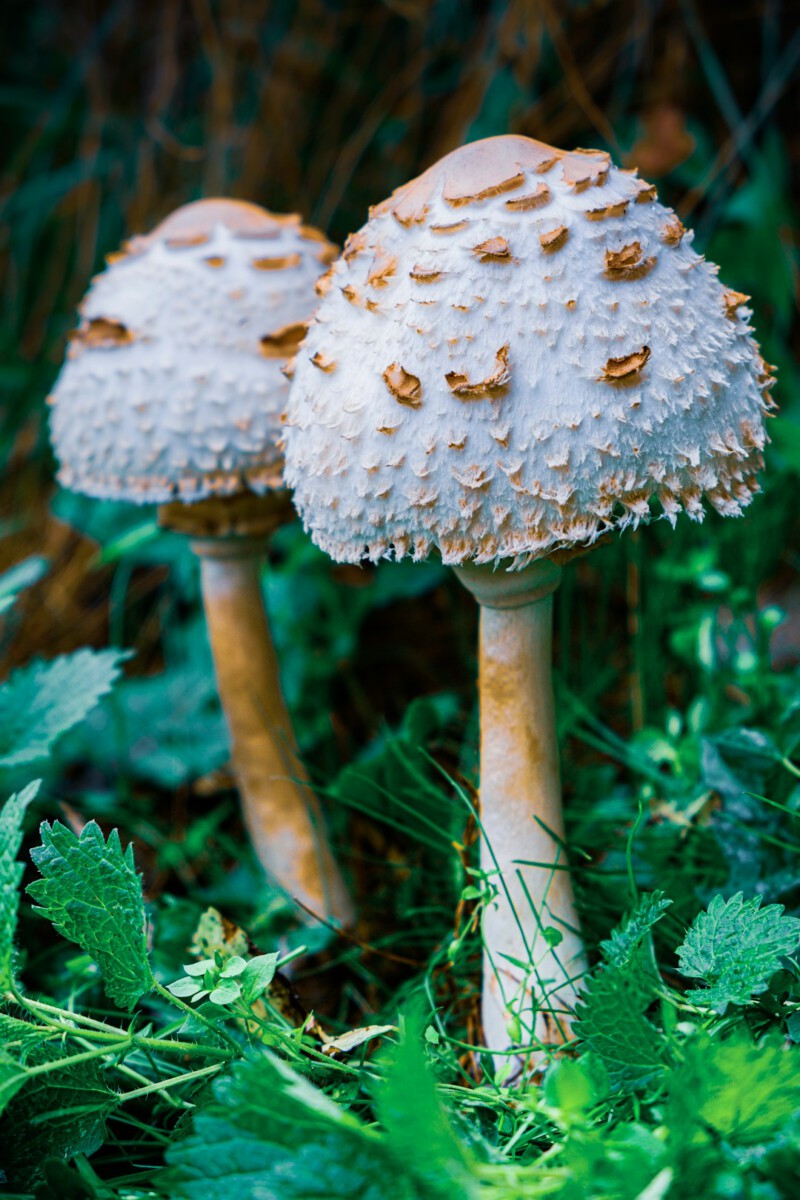
The culprit? Primarily death cap mushrooms, those deceptive invaders that thrive near hardwoods like oaks and pines. Their toxins, called amatoxins, sneakily attack the liver, often with a delay that catches people off guard. Health experts from the California Department of Public Health are urging everyone to skip foraging altogether this season to avoid the heartbreak.
Why Death Caps Fool Even Seasoned Foragers
These mushrooms don’t scream danger; they blend right in with tasty look-alikes. Pale green caps and white gills make them mimic harmless varieties, and they even taste mild at first. But within hours or days, symptoms hit like a storm – nausea, vomiting, and then organ failure if untreated.
Found across the state, especially after fall rains, death caps arrived from Europe decades ago and now pop up in urban parks as well as wild areas. One wrong pick can lead to emergency rooms filling up, as seen in this outbreak. It’s a stark reminder that beauty in nature often comes with hidden edges.
Common Mistakes That Lead to Trouble
Foragers sometimes rely on old tales, like “if animals eat it, it’s safe,” but that’s a myth – deer and squirrels avoid the bad ones too. Others grab clusters without checking spore prints or habitats closely. Rushing through identification is another pitfall, especially when excitement clouds judgment.
In California’s diverse ecosystems, from coastal dunes to Sierra foothills, varieties overlap confusingly. A quick app scan might help, but experts say it’s no substitute for hands-on knowledge. These errors have fueled the current wave of illnesses, turning a hobby into a hazard.
Essential Steps for Safer Foraging
If you still venture out, start by joining guided groups led by certified mycologists – they spot risks you might miss. Always cross-reference multiple field guides and never eat unknowns. Harvest only what you can verify 100%, and leave plenty behind for the ecosystem.
Wear gloves to avoid skin irritation from some types, and note your location for future reference. Cooking doesn’t neutralize toxins in death caps, so identification trumps all. Local mushroom clubs offer workshops, building skills without the solo guesswork.
Red Flags: Signs of Poisonous Mushrooms
Look for volvas – bulbous bases at the stem – and skirt-like rings halfway up, hallmarks of death caps. White spores instead of pink or brown? That’s another warning. Bruising blue or smelling like fish points to other toxics, though not all dangers show obvious clues.
Here’s a quick comparison to keep in mind:
| Feature | Edible Example (e.g., Chantarelle) | Poisonous (Death Cap) |
|---|---|---|
| Cap Color | Yellow-orange, wavy | Pale green or olive |
| Gills | Forked, decurrent | Free, white |
| Stem Base | Smooth | Volva (sac-like) |
Use this as a starting point, but consult pros for confirmation. Better safe than sorry in the wild.
What to Do in Case of Exposure
Symptoms might not appear for six to 24 hours, so if you’ve eaten suspect mushrooms, call poison control immediately at 1-800-222-1222. Save any remnants for identification – they can guide treatment like activated charcoal or liver support.
Hospitals in California are prepped for these cases, with antidotes available in severe spots. Hydrate and rest, but don’t wait for signs; early action saves lives. Sharing your foraging spot with medics helps track outbreaks too.
Key Takeaways
- Avoid foraging wild mushrooms entirely this season, per state health warnings.
- Death caps cause amatoxin poisoning, leading to liver failure – often fatal without quick care.
- Stick to expert-led hunts and verified guides; never rely on taste or apps alone.
As California’s rains coax more fungi from the soil, the thrill of foraging calls, but so does caution. One wrong choice can upend lives, yet with awareness, you can enjoy nature responsibly – or better yet, buy from trusted sources. What’s your take on wild foraging? Share in the comments below.