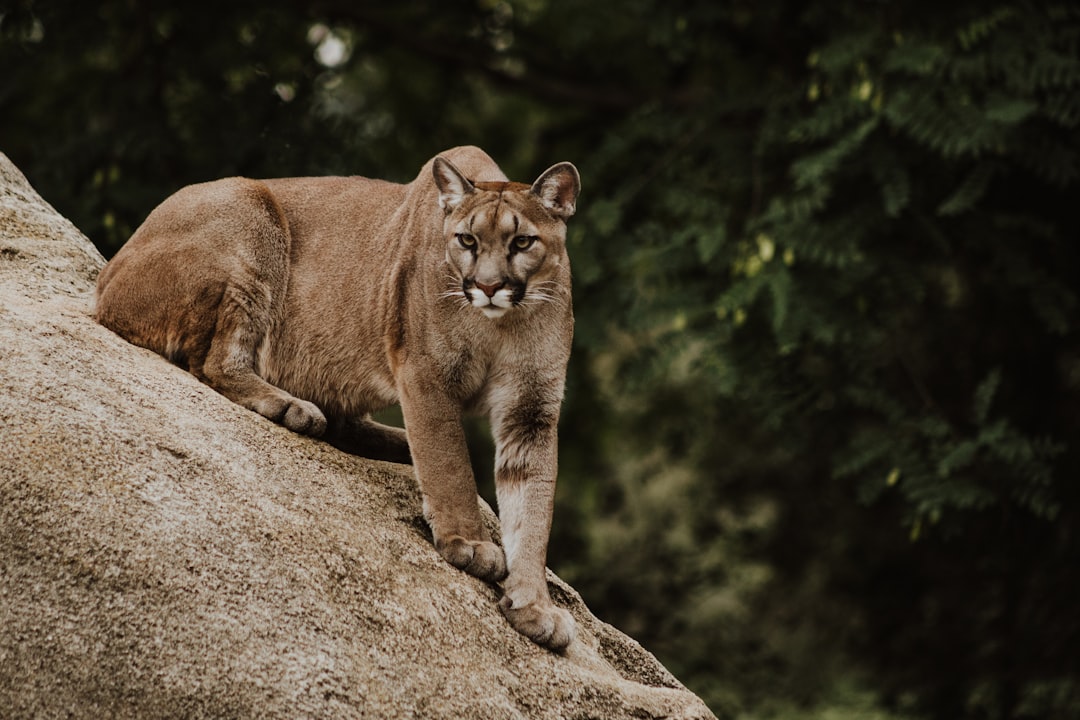


The Shocking Reversal That’s Stirring Up the Sierra (Image Credits: Unsplash)
Under the rugged peaks of the Eastern Sierra, where golden light filters through pine branches at dawn, a subtle change is rippling through the state’s wild lands.
The Shocking Reversal That’s Stirring Up the Sierra
Imagine this: for almost ten years, California wildlife managers have gone to great lengths to avoid killing mountain lions, opting instead for tricky relocations whenever these big cats threatened endangered bighorn sheep. But now, in a move that’s flown mostly under the radar, officials are greenlighting lethal action. It’s a stark pivot, driven by the desperate fight to bolster sheep populations teetering on the edge.
This isn’t some dramatic announcement with fanfare. Officials at the California Department of Fish and Wildlife slipped the change into their guidelines without much buzz, focusing on protecting sheep in key habitats like the Sierra Nevada. The decision highlights the tough choices in balancing predator and prey when one species hangs by a thread.
Why Bighorn Sheep Are Worth the Risky Call
Bighorn sheep aren’t just any animals; they’re icons of California’s wild heritage, with populations that have plummeted due to habitat loss, disease, and yes, predation. In places like the San Gabriel Mountains and Owens Valley, their numbers are critically low, making every lost sheep a blow to recovery efforts. Mountain lions, while vital to the ecosystem, have been picking off these sheep at rates that conservationists say could tip the balance toward extinction.
State biologists point to data showing that without intervention, sheep herds might not rebound. Relocating lions worked for a while, but it often led to them wandering back or causing issues elsewhere. Now, the policy allows for targeted removals only when non-lethal options fail, aiming to give sheep a fighting chance in their shrinking strongholds.
A Look Back at the Relocation Era
Back in 2016, California made headlines by banning the hunting of mountain lions, a move that celebrated these elusive predators as essential to biodiversity. From then on, when lions posed a threat to livestock or endangered species, the go-to was capture and release far away. It seemed like a humane win, preserving both cats and their prey without bloodshed.
Yet, challenges piled up. Relocated lions sometimes died during transport, starved in unfamiliar territory, or even returned to the problem area. Officials tracked over a dozen such cases in recent years, realizing the method wasn’t sustainable for protecting fragile sheep groups. This history set the stage for the current shift, born from lessons learned in the field.
The Real Impact on Mountain Lions
Mountain lions, or pumas, roam vast territories across California, numbering around 4,000 to 6,000 statewide. They’re not endangered, but this policy could mean more of them face removal in specific zones where sheep recovery is prioritized. Conservation groups worry it might set a precedent, chipping away at the protections that have helped lion populations stabilize.
Still, the rules are narrow: killings are limited to individual lions confirmed as repeat threats, and only in designated sheep habitats. Biologists emphasize that most lions will remain untouched, as the focus stays on coexistence rather than eradication. It’s a delicate dance, ensuring predators don’t become collateral damage in the push for species recovery.
What This Means for Broader Wildlife Strategies
This change isn’t happening in a vacuum. California faces growing pressures from climate change, urban sprawl, and shifting animal behaviors, forcing wildlife managers to rethink old playbooks. Similar debates rage over wolves, whose return has led to recent euthanizations when they attack livestock. The lion policy echoes that tension between empathy for predators and the need to safeguard vulnerable species.
Experts suggest it could influence how other states handle conflicts, perhaps encouraging more data-driven approaches. For now, monitoring will be key to assess if the removals truly help sheep without disrupting the food web. Groups like the Mountain Lion Foundation are calling for transparency to keep the process accountable.
Reactions from the Conservation Frontlines
Not everyone is on board. Animal advocates argue that killing lions ignores root causes like habitat fragmentation, which forces more encounters between predators and prey. They push for alternatives, such as better fencing or sheep herding techniques, to avoid lethal outcomes. On the flip side, sheep recovery programs hail the move as a necessary step to prevent local extinctions.
Scientists urge caution, noting that mountain lions play a crucial role in controlling deer populations and maintaining healthy ecosystems. The debate underscores the complexity of wildlife management, where every decision affects the intricate web of life in California’s diverse landscapes.
- Targeted removals only apply to confirmed problem lions in sheep habitats.
- Relocation remains the first option when feasible.
- State monitoring will track impacts on both species over time.
- Public input could shape future tweaks to the guidelines.
- Broader efforts focus on habitat restoration to reduce conflicts long-term.
Key Takeaways
- California’s policy shift prioritizes endangered bighorn sheep survival over non-lethal lion management.
- This reverses a decade-long practice, but limits lethal actions to specific, necessary cases.
- Balancing predator protections with prey recovery remains a core challenge for wildlife officials.
In the end, this quiet policy tweak reminds us that saving wildlife often means making hard calls in nature’s unforgiving arena. It spotlights the ongoing struggle to harmonize human needs with the wild’s raw dynamics. What do you think about this change – necessary protection or a step too far? Share your thoughts in the comments.