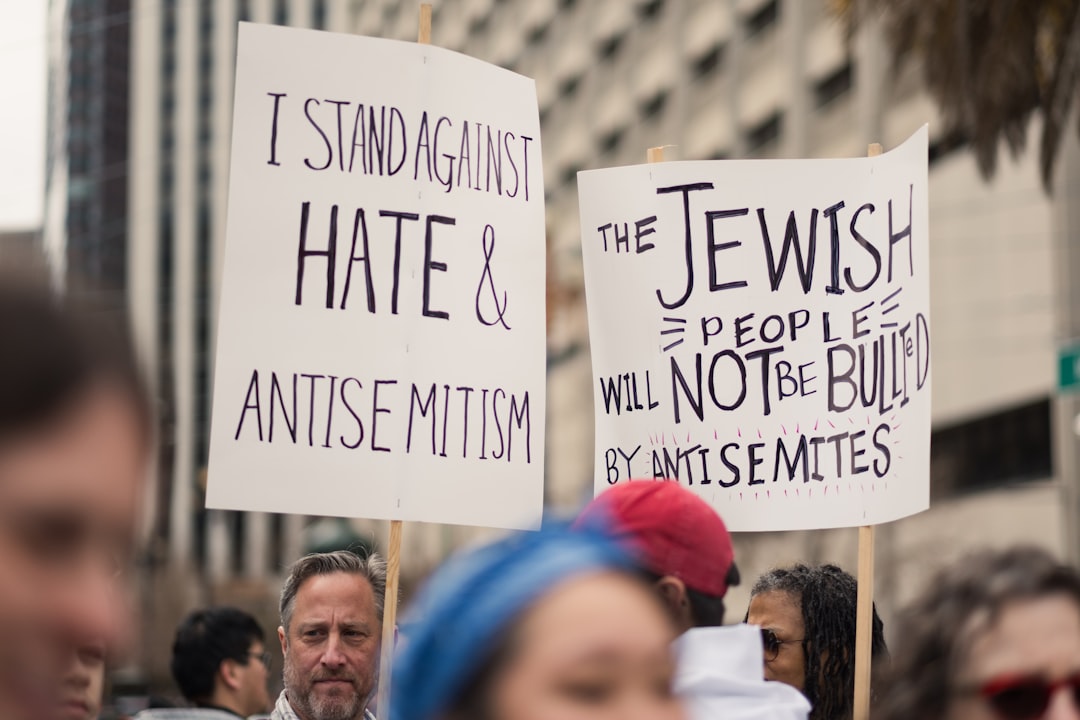


A Shocking Turn in Academic Freedom (Image Credits: Unsplash)
California – Amid the lingering echoes of heated debates on university quads, two esteemed schools have quietly stepped forward to address long-standing grievances, offering a glimpse of potential healing in divided times.
A Shocking Turn in Academic Freedom
Imagine walking onto a vibrant campus only to feel sidelined because of your background. That’s the reality that sparked these recent settlements. Pro-Palestinian protests, while passionate, crossed lines for some Jewish students and faculty, leading to formal complaints that demanded action.
UC Berkeley and Pomona College, both pillars of higher education, found themselves under scrutiny. The allegations weren’t just whispers; they involved federal investigations and lawsuits that highlighted deeper issues of discrimination. This wasn’t about stifling speech but ensuring everyone feels safe to learn.
Surprisingly, both institutions chose settlement over prolonged court battles, signaling a willingness to confront uncomfortable truths head-on.
UC Berkeley’s Professor Perplexed
At the heart of Berkeley’s case was Dr. Yael Nativ, an Israeli dance professor whose return to the university hit a wall. She claimed her nationality played a role in the rejection, especially after the October 7, 2023, events ignited global tensions. An internal probe backed her story, finding evidence of bias.
The university’s response? A $60,000 payout, an offer to rehire her, and a personal apology from the chancellor. This acknowledgment went beyond money; it admitted fault in a way that could rebuild trust. Nativ’s experience underscores how personal identities can clash with institutional neutrality.
Details emerged from court documents, showing department heads wary of “hot” political climates. It’s a reminder that academia, meant to foster open minds, sometimes falters under pressure.
Pomona’s Protest Fallout
Over at Pomona College, the trouble brewed from multiple angles. Jewish organizations like the Anti-Defamation League, Hillel, and the Louis D. Brandeis Center filed a complaint with the U.S. Department of Education. They pointed to antisemitic incidents tied to pro-Palestinian demonstrations that made Jewish students feel unwelcome.
The settlement details remain somewhat under wraps, but it resolves the federal probe without admission of full liability. Pomona agreed to implement changes, likely including better training and reporting mechanisms. This case reflects a broader wave of campus unrest post-2023.
Students described feeling isolated during events that turned hostile. The agreement aims to prevent future escalations, focusing on dialogue over division.
Unpacking the Settlement Details
These deals aren’t just financial footnotes; they’re steps toward systemic change. For Berkeley, the $60,000 to Nativ covers legal fees and emotional toll, with promises of a discrimination-free environment. Pomona’s pact involves ongoing monitoring by the Education Department.
Both schools denied overarching wrongdoing but committed to enhancements like bias training and support for affected communities. It’s pragmatic politics in action, avoiding the spectacle of trials while addressing core concerns.
- Financial compensation for individuals impacted
- Policy updates to combat harassment
- Apologies and reintegration offers
- Federal oversight to ensure compliance
- Focus on inclusive campus policies
Why This Matters Beyond the Quad
These settlements ripple out to other universities grappling with similar divides. With rising reports of antisemitism nationwide, California’s actions set a precedent. They show that accountability can come without total capitulation.
Experts note this fits a pattern: over 100 schools face Title VI probes since 2023. Resolving cases like these could ease tensions and refocus on education. Yet, skeptics wonder if promises will stick without deeper cultural shifts.
Communities on both sides watch closely, hoping for models that balance free expression with respect.
The Road to Reconciliation
As these campuses move forward, the real test lies in implementation. Will enhanced dialogues bridge gaps, or will old frictions resurface? Early signs point to optimism, with leaders pledging transparency.
In the end, these events remind us that universities thrive on diversity, but only if everyone belongs. It’s a delicate balance, one worth fighting for thoughtfully.
Key Takeaways
- Settlements prioritize healing over endless litigation, benefiting students and faculty alike.
- Institutions must actively counter bias to maintain their educational missions.
- Ongoing federal involvement ensures long-term accountability on campuses.
These resolutions offer hope for calmer academic waters, but vigilance remains key. What steps should more schools take to foster inclusivity? Share your thoughts in the comments below.